
Table of Contents
- A Plant of Many Nations
- The Labrador Tea Plant: A Botanical Survivor
- Labrador Tea Traditional Uses for Respiratory Health
- Wound Healing and First Aid
- Labrador Tea Winter Depression and Emotional Wellness
- Women's Medicine and Childbirth
- European Adoption and Historical Uses
- Winter Harvest Traditions
- From Tea to Essential Oil
- Scientific Validation of Traditional Uses
- Important Safety Considerations
- FAQs
Labrador tea traditional uses span thousands of years across the Arctic and subarctic regions of North America. Long before modern aromatherapy brought us Labrador tea essential oil, Indigenous peoples—including the Dene, Inuit, Athabaskan, and Gwich'in nations—relied on this resilient labrador tea plant (Rhododendron groenlandicum, also known as Greenland moss or Ledum) as a cornerstone of their healing systems.
Today, when we explore labrador tea traditional uses, we're uncovering a rich tapestry of indigenous healing plants and practices that sustained communities through some of the harshest conditions on Earth. From respiratory support to managing winter depression, this arctic medicine plant offered solutions exactly when they were needed most.
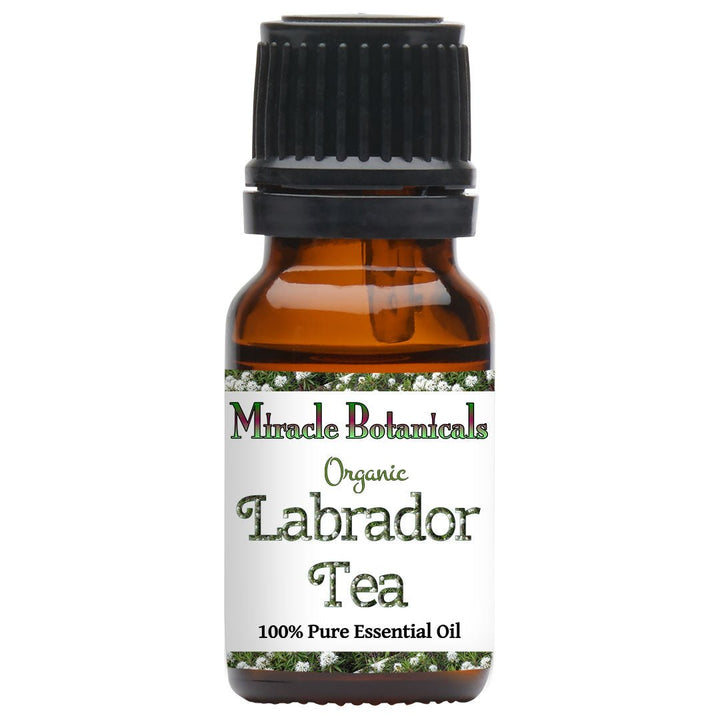
Labrador Tea (Ledum) Essential Oil - Organic (Ledum Groenlandicum)
$57.00
Botanical Name: Ledum Groenlandicum Synonyms: Ledum Essential Oil, Greenland Moss Essential Oil Plant Part: Flowering Tops Method of Extraction: Steam Distilled Country of Origin: Canada Color/Consistency: Medium to Dark Color with Thin Consistency Aroma: Herbaceous-medicinal aroma; fresh with mildsweet, earthy-mossy undernotes… read more
A Plant of Many Nations
Labrador tea's geographic range is as remarkable as its resilience. This small evergreen shrub spans an enormous territory—from Greenland and the Arctic tundra south through every Canadian province and territory, across Alaska, through the Pacific Northwest, the Great Lakes region, and into the mountains of New England and the Appalachians. It thrives from the Arctic Circle down to Pennsylvania, adapting to harsh tundra, sphagnum bogs, acidic wetlands, and cold coniferous forests alongside black spruce.
This vast distribution means that labrador tea traditional uses don't represent a single Indigenous tradition, but rather dozens of independent knowledge systems developed by distinct nations across thousands of miles. The Inuit of Arctic Canada, the Dene of the Northwest Territories, the Cree spanning from Quebec to Alberta, the Anishinaabe of the Great Lakes, the Iroquois Confederacy of the Northeast, the Quinault and Makah of the Pacific coast, and the Pomo and Yurok of Northern California—each developed their own sophisticated understanding of this plant, shaped by their unique environments, languages, and cultural practices.
The multitude of names for Ledum groenlandicum reflects this diversity: Hudson's Bay Tea, Muskeg Tea, Indian Tea, Swamp Tea, Country Tea, James Tea. Each name tells a story of a different people's relationship with this plant. While certain uses—respiratory support, wound healing, emotional balance—appear across many traditions, the specific preparation methods, ceremonial applications, and cultural meanings varied from nation to nation.
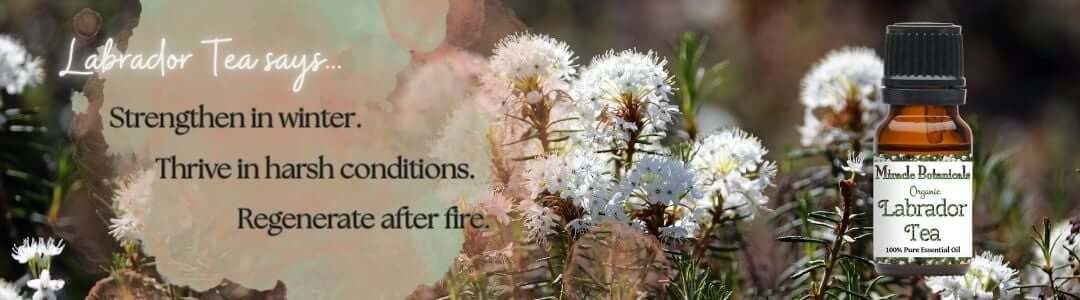
What unites these diverse traditions is recognition of the labrador tea plant's extraordinary character: a botanical survivor that strengthens in winter, thrives in nutrient-poor soils, regenerates after fire, and offers medicine precisely when it's most needed. Indigenous peoples across half a continent independently came to honor this small shrub with the rust-colored woolly undersides as a powerful ally in the ongoing work of survival and healing.
The Labrador Tea Plant: A Botanical Survivor
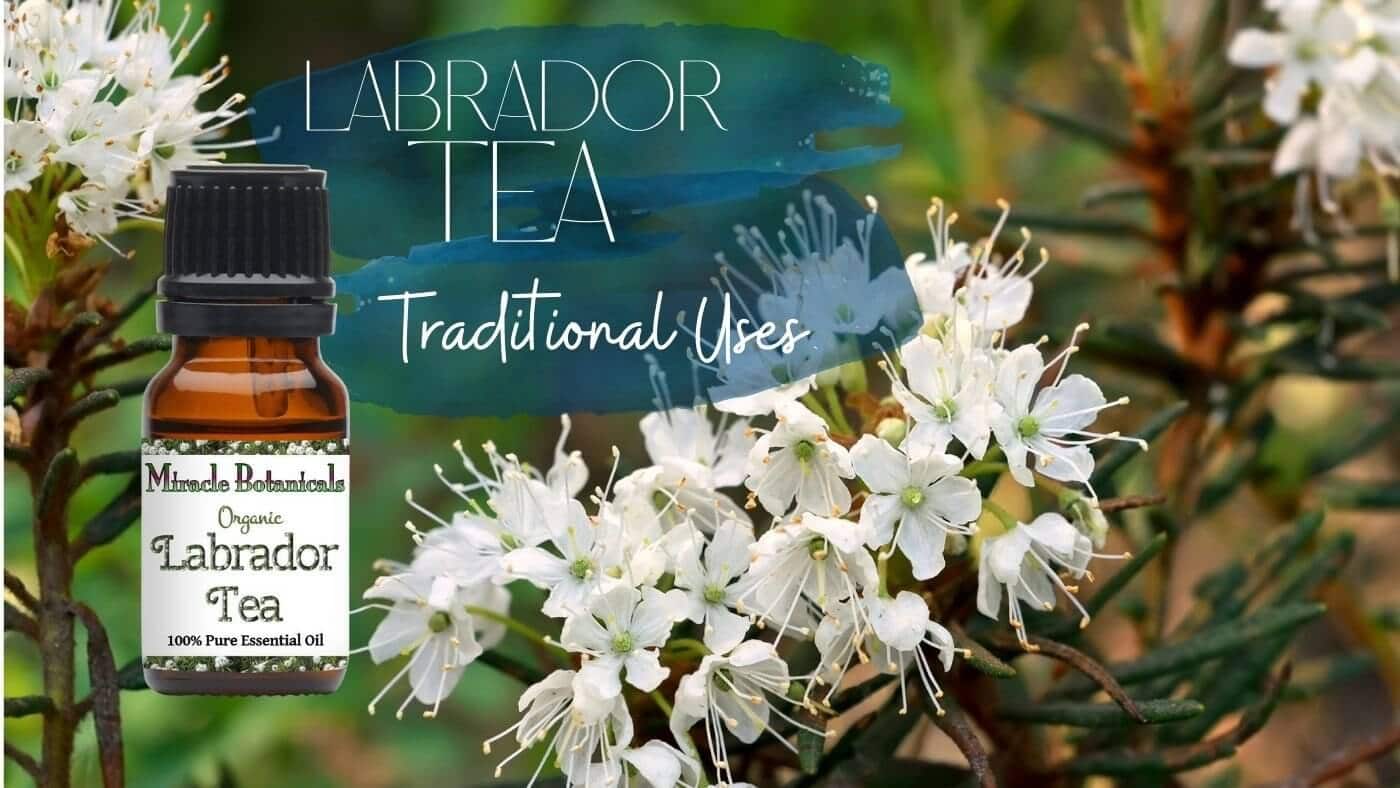
Understanding labrador tea traditional uses begins with knowing the plant itself. This slow-growing evergreen shrub thrives in the boreal forest botanicals ecosystem, making its home in acidic peat bogs alongside black spruce. The labrador tea plant is immediately recognizable: glossy green leaves on top, covered in distinctive burnt-orange woolly undersides that curl at the edges.
Unlike most arctic medicine plants, Ledum groenlandicum actually strengthens during fall and winter. As one traditional harvester observed: "It doesn't die. Like an animal, like a dog, it keeps its fur, but in the spring the fur is renewed." This winter resilience made it invaluable—exactly when other medicines were scarce, the labrador tea plant was at its most potent.
The plant's relationship with fire also speaks to its resilience. After low-intensity burns sweep through boreal forests, labrador tea is among the first to resprout, a quality that Indigenous peoples observed and understood as part of the plant's powerful medicine.
Labrador Tea Traditional Uses for Respiratory Health
Among the most important labrador tea traditional uses was treating respiratory ailments. Indigenous peoples across the North brewed the leaves into a medicinal tea to ease harsh coughs, clear congestion, and support breathing—critical applications in freezing climates where respiratory infections could be life-threatening.
The Pomo, Kashaya, Tolowa, and Yurok nations of Northern California specifically used labrador tea traditional uses for coughs and colds. In Arctic communities, healers would have people inhale steam from simmering labrador tea leaves or drink the tea to loosen mucus and open airways.
This traditional herbal medicine approach aligns with what we now understand about the labrador tea plant's chemical constituents—α-pinene and other compounds with natural expectorant properties that help clear respiratory passages.
Using Labrador Tea Essential Oil for Respiratory Health
When using the Labrador Tea Essential Oil for respiratory health, try adding 1-2 drops of the essential oil to a bowl of hot water. Lean over the steaming bowl (not too hot), cover your head with a blanket or towel to create a tent, and allow yourself to inhale the steam deeply for a few minutes
Wound Healing and First Aid
Labrador tea traditional uses extended to emergency medicine. The Crees from Hudson Bay were documented chewing fresh leaves and applying them directly to wounds—the plant's antimicrobial properties helped stop bleeding and prevent infection.
Healers also created poultices by boiling labrador tea leaves and mixing them with seal oil or fish oil, applying this preparation to injuries, burns, and skin irritations. This knowledge of topical labrador tea traditional uses demonstrates sophisticated understanding of the plant's antiseptic and healing properties.
For babies suffering from skin irritation, Indigenous mothers would mix powdered labrador tea leaves with fish oil to create a gentle, soothing balm—a tender application of this powerful arctic medicine plant passed between generations.
If using essential oil for topical use, always make sure that the oil is properly diluted in an appropriate carrier oil. It is essential to note that some individuals may experience skin irritation or sensitization when using Labrador Tea Essential Oil topically. Always patch-test the oil on a small area of skin before using it more extensively.
Also note that as an essential oil, Labrador Tea (Ledum) can be irritating or sensitizing to some children. Always dilute this essential oil and do a patch test before applying to a large area. You can read more about how to use this oil with children on our Labrador Tea Essential Oil Profile in the section entitled “Is Labrador Tea Oil Safe for Children?"
Labrador Tea Winter Depression and Emotional Wellness
Perhaps one of the most profound labrador tea traditional uses was managing the psychological challenges of extreme northern winters. Long before we had terms like "seasonal affective disorder," Indigenous communities 
The calming, grounding properties of labrador tea made it an important ally against labrador tea winter depression. The tea was consumed to ease anxiety, promote relaxation, and help people maintain emotional balance during the darkest months. This application of labrador tea traditional uses reflects deep understanding of the mind-body connection.
Modern research on Inuit communities has found that seasonal mood changes are indeed prevalent in Arctic populations, validating what traditional knowledge holders have understood for millennia—and confirming why labrador tea traditional uses included emotional and spiritual support. To learn more about which essential oils to use for winter depression and Seasonal Affective Disorder, check out our blog post, Essential Oils for Winter Depression.
Using This Essential Oil for Winter Depression
Aromatically, this essential oil smells herbal and comforting, with hints of lime. It’s amazing in a warm bath with some epsom salt, in your diffuser, or inhaled directly from the bottle. You can also anoint yourself with this oil when diluted with a carrier oil.
Labrador Tea essential oil isn’t just for the winter months either — this oil can help you with your mood whenever you need some additional support through big transitions or during times when you feel you are struggling to thrive in your current environment.
Mood Support Blend
Try playing with these oils in your diffuser. They go great together. You can also add them to your bath in the following recipe...
4 drops Labrador Tea essential oil
3 drops Grapefruit essential oil
3 drops Tulsi essential oil
Women's Medicine and Childbirth
Labrador tea traditional uses held special significance for women's health across multiple Indigenous nations. In the days immediately before childbirth, pregnant women would drink the tea three times daily to help stimulate labor—a practice that speaks to generations of careful observation and empirical knowledge.
It's crucial to note that this traditional herbal medicine was not used throughout pregnancy, but rather in a very specific window just before delivery. This nuanced application of labrador tea traditional uses demonstrates the sophisticated pharmacological knowledge Indigenous healers possessed.
Women also used the labrador tea plant for managing menstrual difficulties and urinary tract concerns, though the specific preparations and protocols varied among different cultural groups.
Note: Labrador Tea essential oil should not be used during pregnancy.
European Adoption and Historical Uses
Labrador tea traditional uses eventually spread beyond Indigenous communities. During the American Revolution (1775-1780), colonists boycotted British tea and adopted labrador tea as a patriotic substitute. Again during the 1930s Great Depression, when imported tea became unaffordable, families throughout northern regions returned to this traditional herbal medicine.
Winter Harvest Traditions
One remarkable aspect of labrador tea traditional uses is the winter harvesting practice. Because Ledum groenlandicum is an evergreen, it could be gathered year-round—even when snow-covered. Leaves and seed pods would poke through snow, fragrant and potent, available exactly when needed most.
Traditional harvesters followed important protocols: taking only a few leaves from each plant, rotating harvesting areas, and always leaving enough for the plant to regenerate. This sustainable approach to harvesting indigenous healing plants not only ensured that future generations would have access to the same medicine, but also embodied a level of respect for these plants and the natural world in general that is often lost in our modern practices. Just as relationships with people and loved-ones that are based on reciprocity tend to nourish us more than those which are one-sided or exploitative, so too do we see this dynamic translate to the relationships between indigenous peoples and the natural world. Many plant allies are treated like close friends or family members in indigenous traditions throughout the world.
From Tea to Essential Oil
Today's Labrador tea essential oil is created through steam distillation of the whole flowering labrador tea plant, typically wild-crafted from Canadian sources.
While labrador tea traditional uses focused on teas, poultices, and topical applications, the essential oil offers a concentrated form of the same therapeutic compounds. Modern practitioners apply it for respiratory support, pain relief, emotional grounding, and lymphatic support—applications that echo traditional herbal medicine practices.
Scientific Validation of Traditional Uses
Contemporary research increasingly validates labrador tea traditional uses:
- Studies with Cree communities in Northern Quebec found that extracts from the labrador tea plant help manage symptoms of Type 2 diabetes
- Research confirms anti-inflammatory, antimicrobial, and antioxidant properties
- Chemical analysis explains the respiratory benefits traditional healers observed
- Studies on arctic medicine plants show that many contain compounds with legitimate therapeutic effects
Science is slowly catching up with what Indigenous knowledge keepers have understood through generations of careful observation and practical application.
Important Safety Considerations
Understanding labrador tea traditional uses also means respecting the plant's potency. The labrador tea plant contains ledol and other compounds that can be toxic in excessive amounts. Traditional preparation methods—weak teas, short steeping times, small quantities—reflect generations of knowledge about safe use.
Indigenous healers knew:
- Not to use labrador tea throughout pregnancy
- To prepare only weak infusions for regular consumption
- That concentrated preparations could cause intoxication
- Which individuals should avoid the plant entirely
Modern use of Labrador tea essential oil requires similar caution: proper dilution (typically 2.5-10%), avoiding use during pregnancy, and consulting qualified aromatherapists for guidance.
My personal favorite way to use this oil is to add a few drops to a hot bath with salt, and inhaling it directly from the bottle. I still feel very supported by the plant’s medicine this way, but my body only receives the chemical components in modest amounts. When in doubt, less is often more when it comes to working with concentrated substances like essential oils.
To learn more about modern applications, chemical composition, and aromatherapy protocols for this powerful oil, visit our Labrador Tea Essential Oil Profile.
FAQs
Is labrador tea safe to use while pregnant?
No. This plant was traditionally only used at the very end of pregnancy and should not be used while pregnant.
It is essential to note that some individuals may experience skin irritation or sensitization when using Labrador Tea Essential Oil topically. Always patch-test the oil on a small area of skin before using it more extensively.