

Table of Contents
- Why Winter Depression Happens: The Science Behind SAD
- The Usual Suspects: Common Essential Oils for SAD
- Labrador Tea Essential Oil: Medicine of the Long Dark
- Schisandra Berry: The Five-Flavor Fruit of Siberian Resilience
- Pine Needle Essential Oil: Scandinavian Winter Support
- Angelica Root: Nordic Guardian
- Melissa (aka Lemon Balm): The Medieval "Gladdening Herb"
- Creating Your Winter Survival Aromatic Toolkit
- Beyond Aromatherapy: The Full Traditional Approach
- Your Winter Aromatic Practice
- FAQs
How traditional plant medicines from Siberia, Scandinavia, the Alps, and the Arctic can help you survive seasonal affective disorder
Every year as the days shorten and darkness settles over the Northern Hemisphere, millions of people experience a profound shift in mood, energy, and vitality. Seasonal Affective Disorder (SAD)—aptly nicknamed winter depression—affects an estimated 5-10% of the population in northern latitudes, with women experiencing it at rates three times higher than men.
But long before we had a medical term for these winter blues, peoples living in the world's harshest climates developed sophisticated botanical strategies for surviving the long dark. The essential oils for winter depression that they used weren't chosen randomly—they were the result of generations of careful observation, passed down through traditional plant medicine systems that understood survival at the most fundamental level. From Siberian taiga to Scandinavian fjords, from Swiss Alpine valleys to Arctic tundra, traditional healers cultivated deep relationships with specific plants that offered light when the sun disappeared for months at a time.
Today, many of these time-tested winter depression remedies are available as essential oils, carrying the concentrated medicine of plants that have sustained humans through countless brutal winters. This isn't about generic "aromatherapy for mood"—this is about the hard-won botanical wisdom of peoples who couldn't afford to get it wrong.
Why Winter Depression Happens: The Science Behind SAD
Understanding seasonal affective disorder helps us appreciate why certain essential oils for winter depression work so effectively. The causes are multifaceted:
Serotonin Disruption: Reduced sunlight exposure affects serotonin activity in the brain—our primary "feel-good" neurotransmitter that regulates mood, sleep, and appetite. Shorter days mean less serotonin production, leading to the classic symptoms of depression, carbohydrate cravings, and oversleeping.
Melatonin Overproduction: The pineal gland produces more melatonin during long dark periods, which can throw off circadian rhythms and leave you feeling perpetually drowsy and unmotivated. Your body's internal clock gets confused, creating a jet-lag-like state that persists for months.
Vitamin D Deficiency: Often called the "sunshine vitamin," Vitamin D plays a crucial role in serotonin regulation. When we're deprived of sunlight, Vitamin D levels plummet, compounding the serotonin problem and affecting everything from bone health to immune function.
Nutritional Deficits: Traditional winter diets in northern regions were carefully calibrated to provide essential nutrients when fresh food was scarce. Modern disconnection from seasonal eating patterns can exacerbate winter depression through deficiencies in omega-3 fatty acids, B vitamins, and mineral-rich foods.
The beauty of traditional plant medicines is that they address multiple aspects of this syndrome simultaneously!
The Usual Suspects: Common Essential Oils for SAD
Before we dive into the more obscure and culturally-specific remedies, let's acknowledge the well-known essential oils for winter depression that research has validated for mood support:
Citrus Oils - Bergamot, sweet orange, lemon, grapefruit, and mandarin all demonstrate antidepressant properties. Studies show citrus oils can be as effective as some pharmaceutical antidepressants, with sweet orange outperforming Prozac in one trial. These bright, uplifting oils work by potentially stimulating serotonin release.
Lavender - The classic calming oil helps with the sleep disruption that plagues SAD sufferers. Since seasonal depression often involves both low serotonin (mood) and dysregulated melatonin (sleep), lavender's dual action makes it invaluable for winter depression remedies.
Rosemary and Peppermint - Stimulating oils that combat the lethargy and mental fog associated with winter depression. They improve concentration and provide an energizing boost when you can barely drag yourself out of bed.
Frankincense - Grounding and spiritually centering, frankincense has been used across cultures for emotional balance and reducing anxiety.
These oils are readily available, well-researched, and effective. But they're not the whole story. To truly understand plant medicine for winter survival, we need to look at what peoples living in extreme darkness actually used—and why.
Labrador Tea Essential Oil: Medicine of the Long Dark
Latin Name: Rhododendron groenlandicum (also called Ledum groenlandicum, Greenland Moss)
Origin: Arctic and subarctic regions from Alaska to Greenland, across northern Canada
Traditional Uses: Winter depression, anxiety, respiratory support, emotional grounding
If any plant deserves to be called an expert on surviving winter darkness, it's Labrador Tea. This small evergreen shrub thrives in the most extreme northern environments—places where winter darkness lasts for months, where temperatures plummet to -40°F, where survival itself is an act of defiance.
Indigenous peoples across the Arctic—Inuit, Dene, Athabaskan, Gwich'in, and Cree nations—used Labrador Tea essential oil and traditional tea preparations specifically to combat what we now call seasonal affective disorder. Long before Western science identified SAD, these northern peoples understood that the plant's calming, grounding properties helped people endure the psychological challenges of living through months without sunlight.
The traditional knowledge is remarkably specific: Labrador Tea was brewed into teas and used in ceremonies during the darkest part of winter to ease anxiety, lift spirits, and provide emotional balance. Historical accounts from Hudson's Bay Company records document its use by Gwich'in shamans treating community members suffering from winter-related emotional distress. To learn more about the traditional uses of Labrador Tea, check out our blog post, Labrador Tea Traditional Uses.
The Aroma: Labrador Tea essential oil has a distinctive scent often described as "piercing and fresh, like breathing arctic air"—resinous, herbaceous, with earthy-mossy undertones. It's medicinal yet comforting, grounding yet clarifying. The aroma literally evokes the northern forests from which it comes.
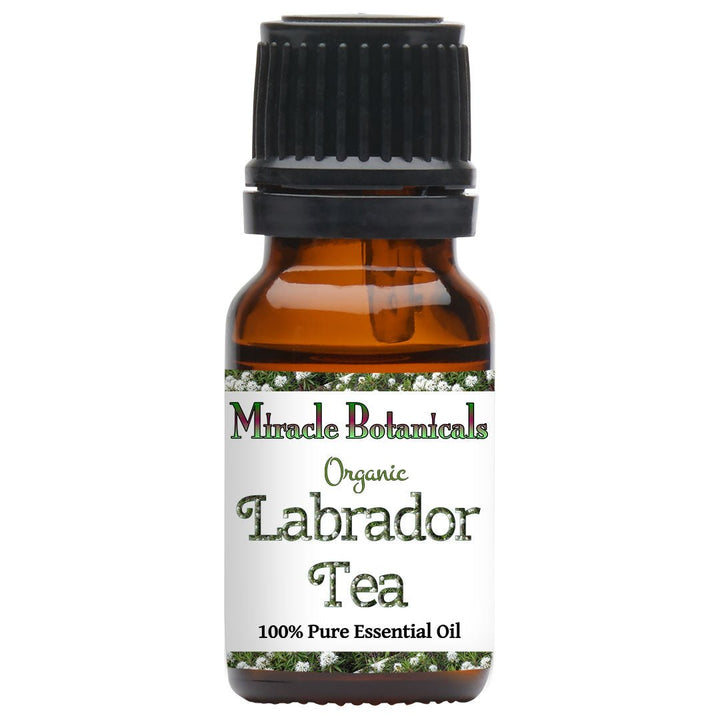
Labrador Tea (Ledum) Essential Oil - Organic (Ledum Groenlandicum)
$39.97
Botanical Name: Ledum Groenlandicum Synonyms: Ledum Essential Oil, Greenland Moss Essential Oil Plant Part: Flowering Tops Method of Extraction: Steam Distilled Country of Origin: Canada Color/Consistency: Medium to Dark Color with Thin Consistency Aroma: Herbaceous-medicinal aroma; fresh with mildsweet, earthy-mossy undernotes… read more
Modern Applications:
- Diffuse 3-4 drops to combat anxiety and restlessness during dark winter months
- Dilute to 2.5-5% in carrier oil for topical application to temples and wrists
- Combine with grounding oils like cedarwood or uplifting citrus oils
- Use in evening baths to calm the nervous system before sleep
Why It Works: The monoterpenoids and sesquiterpenes in Labrador Tea—including α-pinene, limonene, and β-caryophyllene—have demonstrated anti-anxiety and mood-stabilizing properties. But perhaps more importantly, using this oil creates an aromatic bridge to thousands of years of Arctic survival wisdom.
Schisandra Berry: The Five-Flavor Fruit of Siberian Resilience
Latin Name: Schisandra chinensis
Origin: Siberian taiga, northern China
Traditional Uses: Energy restoration, mood enhancement, mental clarity, liver support
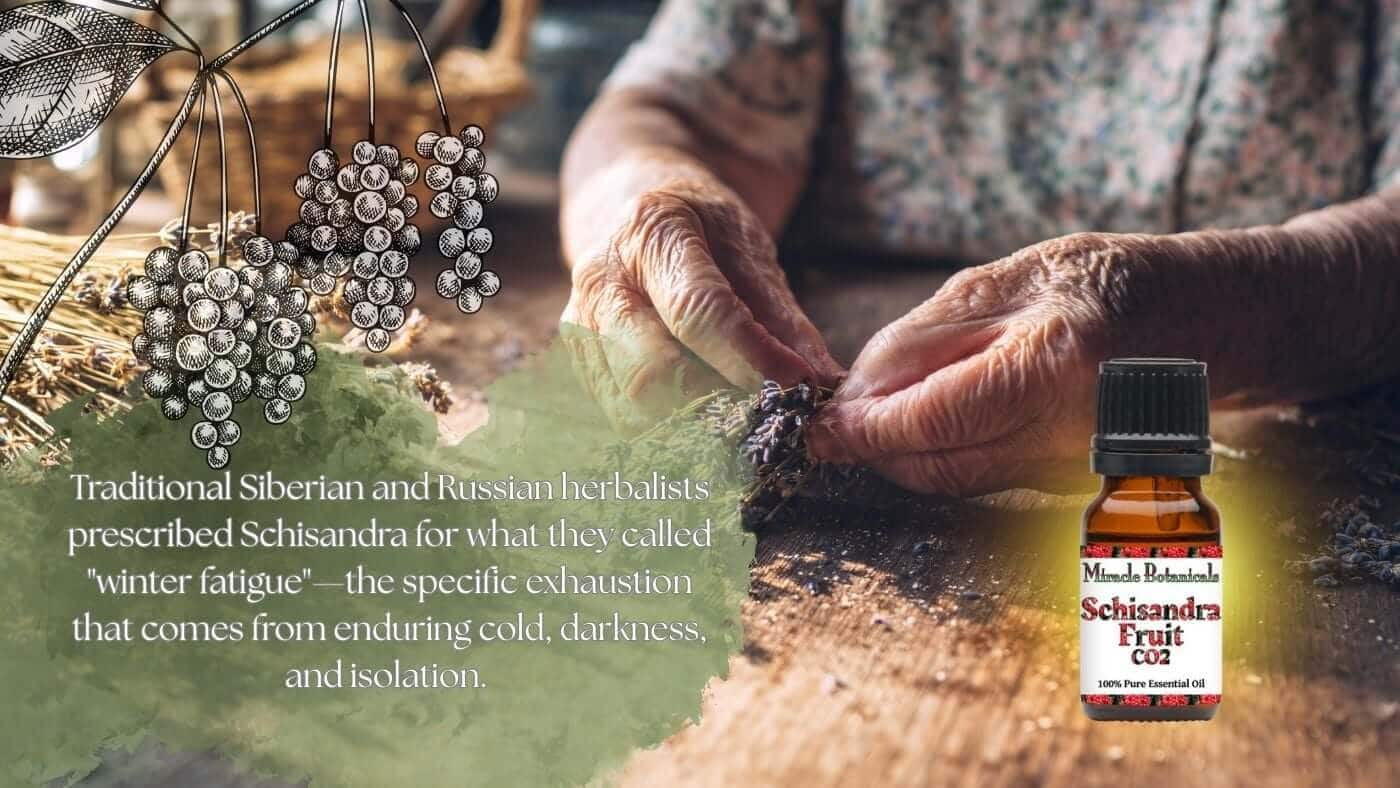
Known in traditional Russian medicine as one of the "three treasures" of the taiga (along with Rhodiola and Siberian ginseng), Schisandra berry has been used for centuries to combat winter fatigue and emotional depletion. Its Russian name translates roughly to "seed that possesses all five flavors"—sweet, sour, salty, bitter, and pungent—reflecting the belief that it balanced all aspects of body and spirit.
Schisandra was a key ingredient in traditional Russian "balzams"—herbal tonic liqueurs that functioned as both medicine and celebration. These formulas, some containing dozens of herbs, were specifically designed to "improve one's mood and restore energy" during the long Russian winter. Village healers and folk practitioners considered Schisandra essential for people who felt spiritually depleted by darkness.
Traditional Siberian and Russian herbalists prescribed Schisandra for what they called "winter fatigue"—the specific exhaustion that comes not from physical exertion but from enduring cold, darkness, and isolation. Modern Russian herbalists still recommend it for mental and physical stress, low motivation, and seasonal mood changes.
Modern Applications:
- Schisandra essential oil is available though less common than tinctures (ours is Co2 extracted!)
- Supports liver detoxification (important since the liver plays a role in hormone regulation)
- Enhances mental clarity and concentration
- Traditionally used in warming, energizing blends for winter depression
Cultural Note: In Soviet-era Russia, Schisandra research was conducted alongside Rhodiola as part of state-sponsored programs to enhance human performance in extreme conditions. The wisdom of Siberian indigenous peoples informed this scientific research—a rare example of traditional knowledge being validated and expanded by modern science.
Schisandra Essential Oil - CO2 Extracted (Schisandra Chinensis)
$14.97
Botanical Name: Schisandra Chinensis Plant Part: Fruit Method of Extraction: CO2 Extracted Country of Origin: China Color/Consistency: Yellow to Light Brown Color and Clear, Oily, Medium Consistency Aroma: Bitter, and Slightly Fruity Perfumery Note: Middle Main Chemical Components: Ylangene (28.3%),… read more

Pine Needle Essential Oil: Scandinavian Winter Support
Latin Name: Pinus sylvestris (Scots Pine), various species
Origin: Boreal forests of Scandinavia, Russia, northern Europe
Traditional Uses: Scurvy prevention, respiratory support, energy, immune function
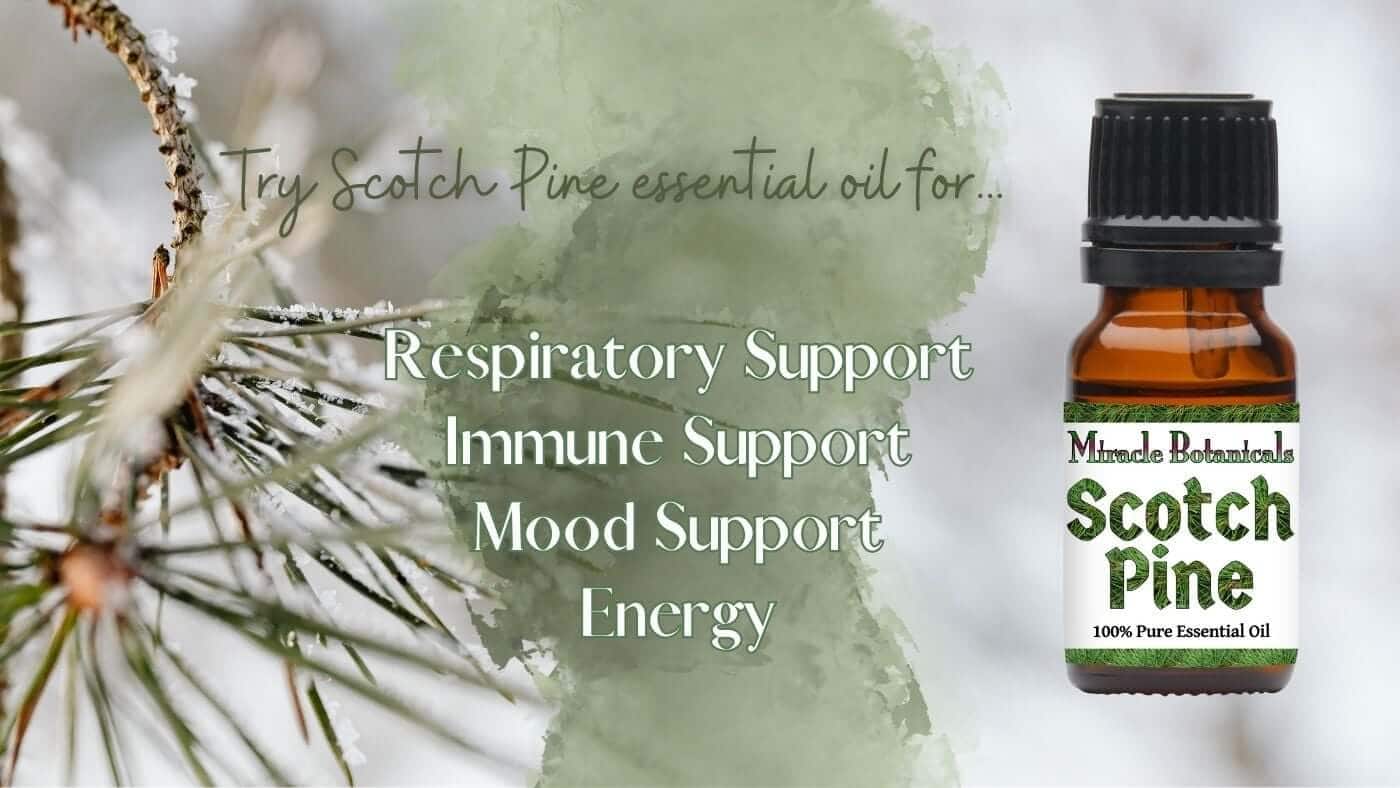
The Sauna Tradition: Scandinavians still use pine branches in steam baths during winter. The practice involves sitting in intense heat surrounded by pine scent, whisking fresh branches against skin to release the oils, then plunging into snow or icy water. This creates a state of alertness and clarity while connecting people to the forest they can't always reach during brutal winter storms. It's less about romance and more about maintaining sanity through months of darkness.
The Aroma: Fresh, sharp, resinous. Scotch Pine essential oil smells like breathing cold air in a snow-covered forest—clean, bright, and opening. There's a slight balsamic sweetness underneath that keeps it from being harsh. It's the opposite of stale indoor winter air.
The Chemistry: Scotch Pine essential oil contains high levels of α-pinene and β-pinene—compounds with proven anti-depressant and anti-anxiety effects. These are the same molecules you breathe during forest bathing. Research shows that inhaling α-pinene improves alertness and memory while reducing anxiety. It wakes you up without making you jittery, which is exactly what SAD sufferers need.
Respiratory Benefits: Pine is genuinely antimicrobial and expectorant. It clears congestion and fights airborne pathogens. In crowded Scandinavian winters, pine smoke and steam helped purify air and keep respiratory infections from spreading through entire villages. The fresh scent also makes you want to breathe deeply, which activates your parasympathetic nervous system and reduces stress.
Modern Applications for Scotch Pine Essential Oil:
- Diffuse 4-6 drops to purify air and support respiratory health
- Brings the psychological benefits of forest connection indoors
- Clarifying for mental fog without causing anxiety
- Blend with sweet orange or bergamot for brightness
- Combine with Labrador Tea essential oil for a full boreal forest experience
- Add 3-5 drops to hot baths or showers to open airways
- Use in 2-3% chest rubs during winter colds
- Great in morning blends when you need to actually get out of bed
Why It Works for Winter Depression: Pine helps you breathe easier physically (expectorant, antimicrobial) and emotionally (anxiolytic, mood-lifting). The scent connects you to living forests during months when going outside feels impossible. Evergreen trees stay alive through the worst winters, and using their essential oil is a reminder that you can too.
One of the best things about Scotch Pine essential oil is that it's accessible and affordable compared to rare oils like Labrador Tea or true Melissa. You can use it generously without worrying about cost, which matters when you need consistent daily support through a long winter.
The Forest Connection: Scandinavian cultures have always used the forest for psychological regulation. When you can't physically reach the trees, the scent becomes a bridge. It's practical medicine that happens to also address the emotional and spiritual dimensions of surviving winter darkness.
In the traditional sauna ritual—heat, pine scent, ice-cold water—people report feeling cleared out and reconnected to their own strength. You don't need a sauna to access this. A hot bath with pine oil followed by a cool rinse offers a simplified version of this renewal practice.
The Vikings survived brutal conditions partly because they maintained relationship with the boreal forest, especially the pines that stayed green through winter. That same partnership is available in every bottle of Scotch Pine essential oil you use today.
Pine (Scotch) Essential Oil (Pinus Sylvestris)
$10.97
Botanical Name: Pinus Sylvestris Plant Part: Needles & Twigs Method of Extraction: Steam Distilled Country of Origin: Bulgaria Color/Consistency: Clear with Thin Consistency Aroma: Green, Fresh, Resinous Perfumery Note: Middle Main Chemical Components: alpha-Pinene (40.39%), beta-Pinene (19.41%), delta-3-Carene (17.63%) … read more

Angelica Root: Nordic Guardian
Latin Name: Angelica archangelica
Origin: Iceland, Norway, northern Europe
Traditional Uses: Protection, warming circulation, "spiritual cold," emotional fortitude, digestive support
 This towering herb—often reaching six feet tall—thrives in the damp, cool conditions of northern Europe, from Iceland's volcanic soils to Norway's coastal cliffs. Revered in Nordic tradition as a protective plant, Angelica was believed to ward off evil spirits and plagues. Its association with the Archangel Michael (whose feast day coincides with the plant's blooming) added spiritual significance, making it one of the most sacred plants in Norse folk medicine.
Angelica root essential oil carries an aroma that Nordic healers described as "the scent of courage"—earthy, musky, with warm peppery-spicy notes that cut through winter's damp chill. The oil itself is thick, deeply resinous, and powerfully aromatic, requiring only small amounts to create its warming, protective effect.
Traditional Norse healers understood that depression and physical depletion were linked. Angelica root essential oil addressed both as part of a holistic approach using natural remedies for seasonal depression. The essential oil can be used in massage oils to "restore the inner fire," applied to the solar plexus and lower back to stimulate sluggish circulation and reignite vitality during the darkest months.
The root's essential oils contain potent aromatic compounds—phellandrene, pinene, and various lactones—that stimulate digestion, warm the body from within, and promote circulation. In aromatherapy terms, Angelica is profoundly yang: activating, warming, fortifying. For people whose energy has become stagnant and cold during winter's long darkness, Angelica root essential oil acts like a match struck in a dark room.
But perhaps most important was its use for emotional fortitude and what Nordic folk healers called "spiritual cold." This wasn't just about body temperature—it referred to a state where someone's essential life force, their inner flame, had dimmed or gone out entirely. People who felt "spiritually cold" had lost their vital fire, their motivation, their sense of purpose during the dark months.
Healers would blend angelica into warming massage oils, add it to ritual baths, or have people inhale the steam from hot water infusions. The intense, complex aroma—simultaneously earthy and celestial—was believed to call back the wandering spirit and rekindle the inner light. In Icelandic tradition, Angelica was considered the bridge between earth and heaven, capable of reaching down into deep cold depression and pulling the sufferer back toward warmth and life.
Modern Applications:
- Angelica root essential oil is intensely warming and grounding for aromatherapy for seasonal depression
- Use in 1-2% dilution (it's very potent and can irritate skin at higher concentrations)
- Particularly useful for SAD accompanied by digestive sluggishness, cold extremities, or feelings of energetic depletion
- Apply diluted to solar plexus, lower back, or abdomen to stimulate "inner fire"
- Excellent in winter bath blends to warm both body and spirit
- Photosensitizing—avoid sun exposure after topical use
The Aromatic Profile: Angelica root essential oil is fierce and protective, with a more raw and powerful aroma. It's aroma conveys depth, with woody and resinous notes, finishing off with sweet musky notes.
Energetic Properties: In traditional European aromatherapy and spiritual herbalism, Angelica root essential oil is considered protective against both physical and psychic cold. It strengthens boundaries, fortifies the will, and rekindles motivation. For winter depression that manifests as complete shutdown—inability to get out of bed, total loss of drive, feeling frozen both physically and emotionally—Angelica offers restoration of inner heat, and a fierce maternal protection.
The Norwegians and Icelanders who survived in some of Earth's harshest conditions understood: sometimes gentleness isn't enough. Sometimes you need the aromatic equivalent of a slap across the face. Angelica root essential oil is courage captured in a bottle.
Angelica Root Essential Oil - Organic - CO2 Extracted (Angelica Archangelica)
$58.97
Botanical Name: Angelica Archangelica Plant Part: Root Method of Extraction: CO2 Extracted Country of Origin: Germany Color/Consistency: Amber Color with Thick Consistency Aroma: Fresh, Woody, Herbaceous Perfumery Note: Base Main Chemical Components: alpha-Phellandrene, Osthol, beta-Phellandrene, alpha-Pinene … read more

Melissa (aka Lemon Balm): The Medieval "Gladdening Herb"
Latin Name: Melissa officinalis
Origin: Mediterranean, naturalized throughout Europe and Britain
Traditional Uses: Anxiety, depression, sleep support, digestive issues, "gladdening the heart"
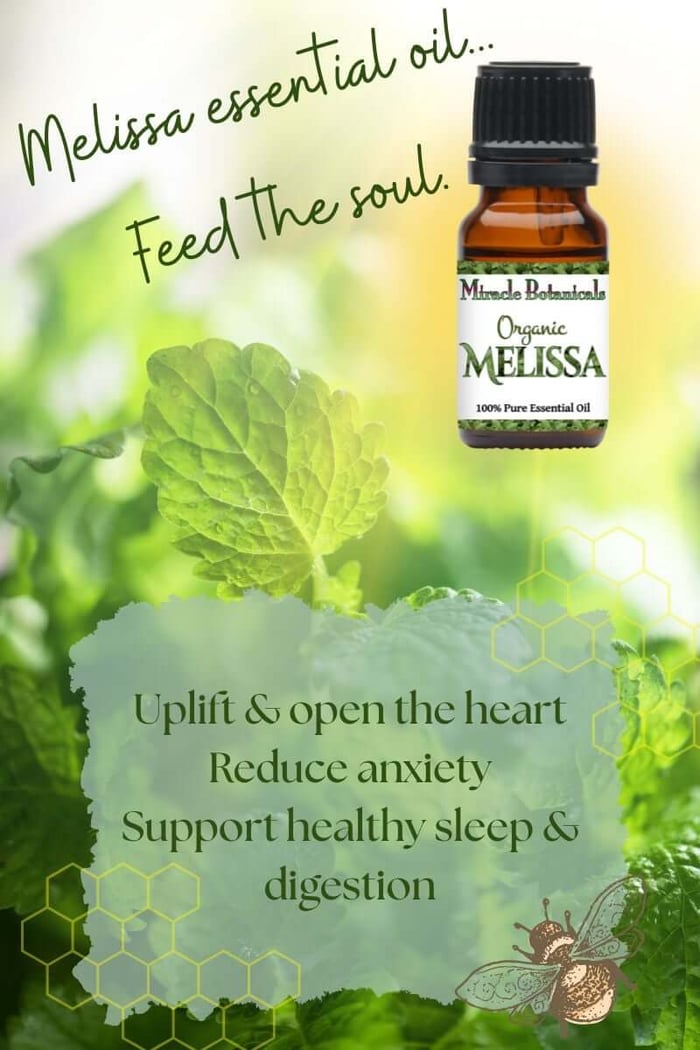 Not many consider Melissa essential oils for winter depression, but medieval European herbalists called Melissa "the gladdening herb" and prescribed it specifically for melancholia—historical term for depression. In monastery gardens across Britain and continental Europe, Melissa was cultivated as essential medicine for both physical and spiritual ailments.
Paracelsus, the famous 16th-century Swiss-German physician and alchemist, called this herb "the elixir of life." British herbalist John Evelyn wrote in the 1600s that Lemon Balm "driveth away all troublesome cares and thoughts out of the mind, arising from melancholy." These observations reflected centuries of use for seasonal depression.
Traditional preparation involved fresh Lemon Balm tea drunk frequently during times of emotional distress. The bright, lemony aroma and flavor (despite not being related to citrus) was itself considered part of the medicine—uplifting and refreshing while simultaneously calming.
The Bee Connection:
The ancient Greeks called this plant melissophyllon—bee-leaf—because bees will abandon other flowers when Melissa blooms. They understood bees as fragments of the divine, messengers between worlds, and believed human souls could take the form of bees. This begs the question: if bees need this plant so desperately, then maybe our souls are nourished by it too. Traditional beekeepers still rub Melissa on hives to attract and calm swarms. When you use Melissa essential oil for winter depression, you're feeding the divinity in yourself.
Why Melissa Works for Winter Depression:
Melissa essential oil calms anxiety while lifting mood, while most plants only do one or the other. The aromatic compounds (citral, citronellal, geraniol) interact with GABA receptors in your brain, producing genuine anxiolytic effects, while the bright lemony scent itself is mood-elevating. This dual action makes it particularly valuable for winter depression that includes anxiety.
Modern Applications:
- Melissa essential oil is precious, because it takes so much plant material to get any essential oil (true Melissa is expensive; much is adulterated)
- Dilute for topical use
- Diffuse for gentle mood elevation
- Particularly good for SAD with anxiety and sleep disturbance
Energetic Properties: In aromatherapy terms, Melissa is centering and heart-protective while being uplifting. It helps when winter depression makes you feel simultaneously exposed (anxious, vulnerable) and shut down (numb, disconnected). It creates a sense of gentle safety that allows the heart to soften and open again.
Melissa Essential Oil (Lemonbalm) - Organic (Melissa Officinalis)
$49.97
Botanical Name: Melissa Officinalis Plant Part: Leaves Method of Extraction: Steam Distilled Country of Origin: Bulgaria Color/Consistency: Golden Yellow Color with Thin Consistency Main Chemical Components: Geranial (44.47%), Neral (33.37%), beta-Caryophyllene (4.76%) … read more

Creating Your Winter Survival Aromatic Toolkit
Armed with wisdom from the world's harshest climates, here's how to build a personal strategy using essential oils for winter depression:
The Foundation Blend - Daily Diffusion:
- 3 drops Labrador Tea essential oil (grounding, traditional arctic medicine)
- 2 drops Scotch Pine (connection to living forest, vitamin support)
- 2 drops Sweet Orange (serotonin support, brightness)
- 1 drop Rosemary (mental clarity, circulation)
The Anxiety Soother - When Winter Feels Overwhelming:
- 4 drops Melissa (calming, gladdening)
- 3 drops Lavender (sleep support, nervous system regulation)
- 1 drop Angelica (warming, protective)
The Energy Lifter - For Days You Can't Get Out of Bed:
- 3 drops Scotch Pine (stimulating, forest energy)
- 2 drops Bergamot (uplifting, serotonin support)
- 2 drops Peppermint (mental clarity, circulation)
The Deep Restoration - Evening Bath:
- 5 drops Labrador Tea (arctic resilience)
- 3 drops Lavender (sleep preparation)
- 2 drops Frankincense (grounding, spiritual centering) In 1 tablespoon carrier oil or bath dispersant
Beyond Aromatherapy: The Full Traditional Approach
Essential oils for winter depression work best as part of a comprehensive strategy that ancient northern peoples understood intuitively:
Light: Get outside during daylight hours, even if it's cloudy. Consider a 10,000 lux light therapy box for 20-30 minutes each morning.
Movement: Scandinavians embrace winter sports; Russians have their banya (sauna); the British take constitutionals in all weather. Movement generates warmth and combats stagnation.
Nutrition: Traditional winter diets were rich in:
- Fermented foods (sauerkraut, pickles, kvass)
- Fatty fish (omega-3s, vitamin D)
- Root vegetables (mineral-rich, grounding)
- Warming spices (ginger, cinnamon, cardamom)
- Bone broths (mineral-rich, deeply nourishing)
Community: Northern peoples survived through cooperation. Winter isolation is dangerous. Stay connected, even when it's hard.
Ritual: Traditional cultures marked the darkest days with celebrations (Winter Solstice, Yule, Christmas) that literally brought light into darkness. Create your own rituals of hope.
Your Winter Aromatic Practice
Start simple. Choose one or two essential oils for winter depression from this list that speak to you. Maybe it's Labrador Tea because you're drawn to Arctic wisdom, or Melissa because you need the gladdening. Maybe it's Pine because you miss the forest.
Use them consistently. Diffuse them in your space, wear them on your skin (properly diluted), add them to baths. Pay attention to how you feel—not just emotionally, but energetically. Do you feel more grounded? More hopeful? More connected to something larger than your temporary mood?
Traditional peoples didn't separate "physical" from "spiritual" medicine. They understood that scent affects emotion, emotion affects physiology, physiology affects spirit, spirit affects resilience. It's all one system.
Your winter survival toolkit isn't complete with just essential oils, but they can offer a lot of support.
The sun will return. It always does. Until then, we have the wisdom of plants, and the knowledge of experienced ancestors that came before us.
For more information on the traditional uses of this plant medicine, see our blog on Labrador Tea Traditional Uses and individual essential oil profile.
FAQs
What are the best essential oils for winter depression and Seasonal Affective Disorder (SAD)?
Labrador Tea, Schisandra Berry, Angelica Root, and Melissa, along with common essential oils for uplifting the mood and reducing stagnation like lavenders, citruses, pine and fir needle, peppermint, rosemary, and frankincense. All of these oils can uplift the mood, support energy and mental clarity, stress relief, and emotional support during the dark times of the year.
What are the best ways to use essential oils for winter depression and Seasonal Affective Disorder (SAD)?
Essential oils can be inhaled directly from the bottle, diffused into the air with a diffuser, diluted in a carrier oil and applied to the body, used in a steam pot, or added to a warm bath.
Are essential oils enough to cure winter depression and Seasonal Affective Disorder (SAD) on their own?
No. Essential oils can offer a lot of support for winter depression and SAD, but it is important to include proper nutrition, connection with friends and community, movement, and appropriate level of rest and stimulation. Working with essential oils can help these other things feel more accessible to you, and will work best if used consistently.