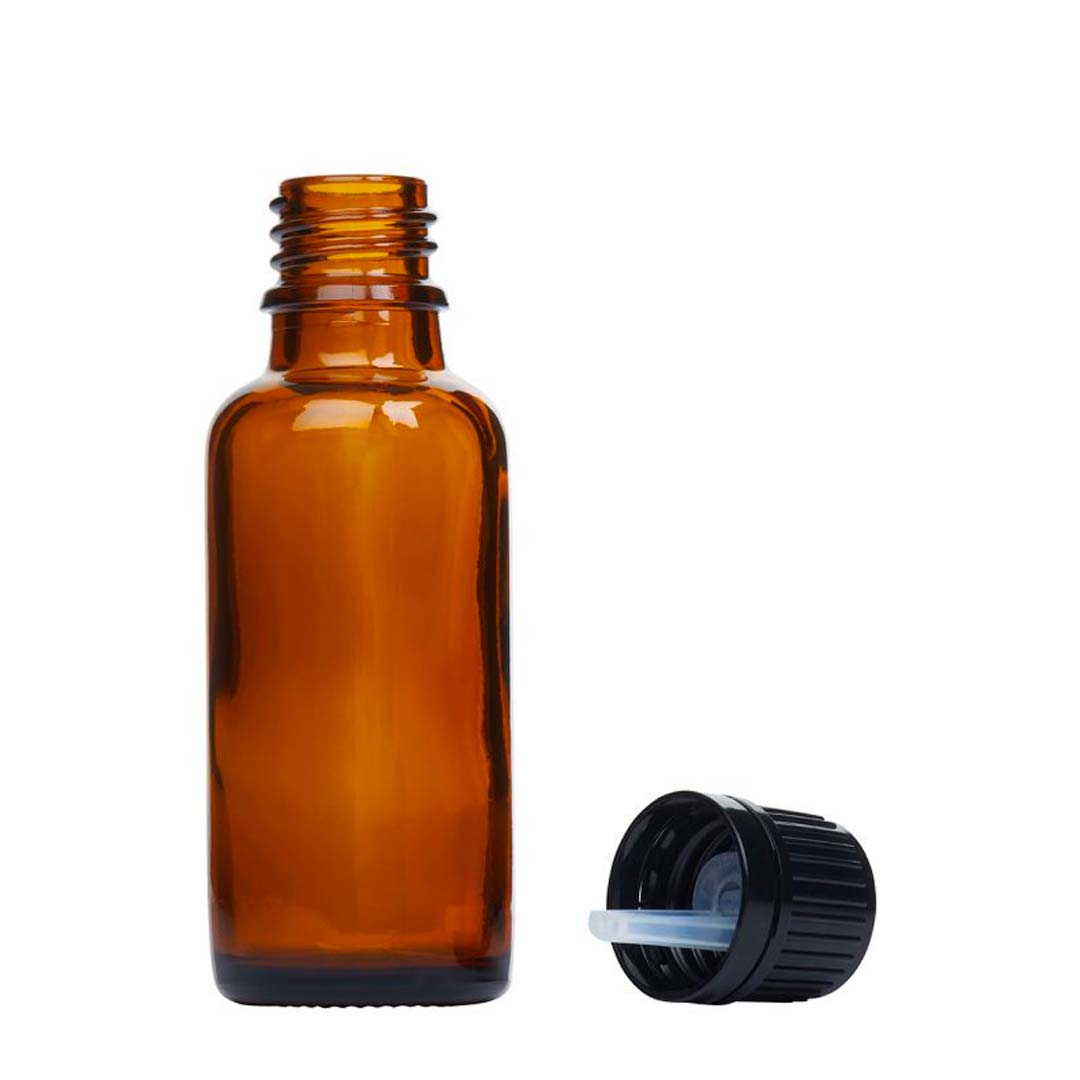
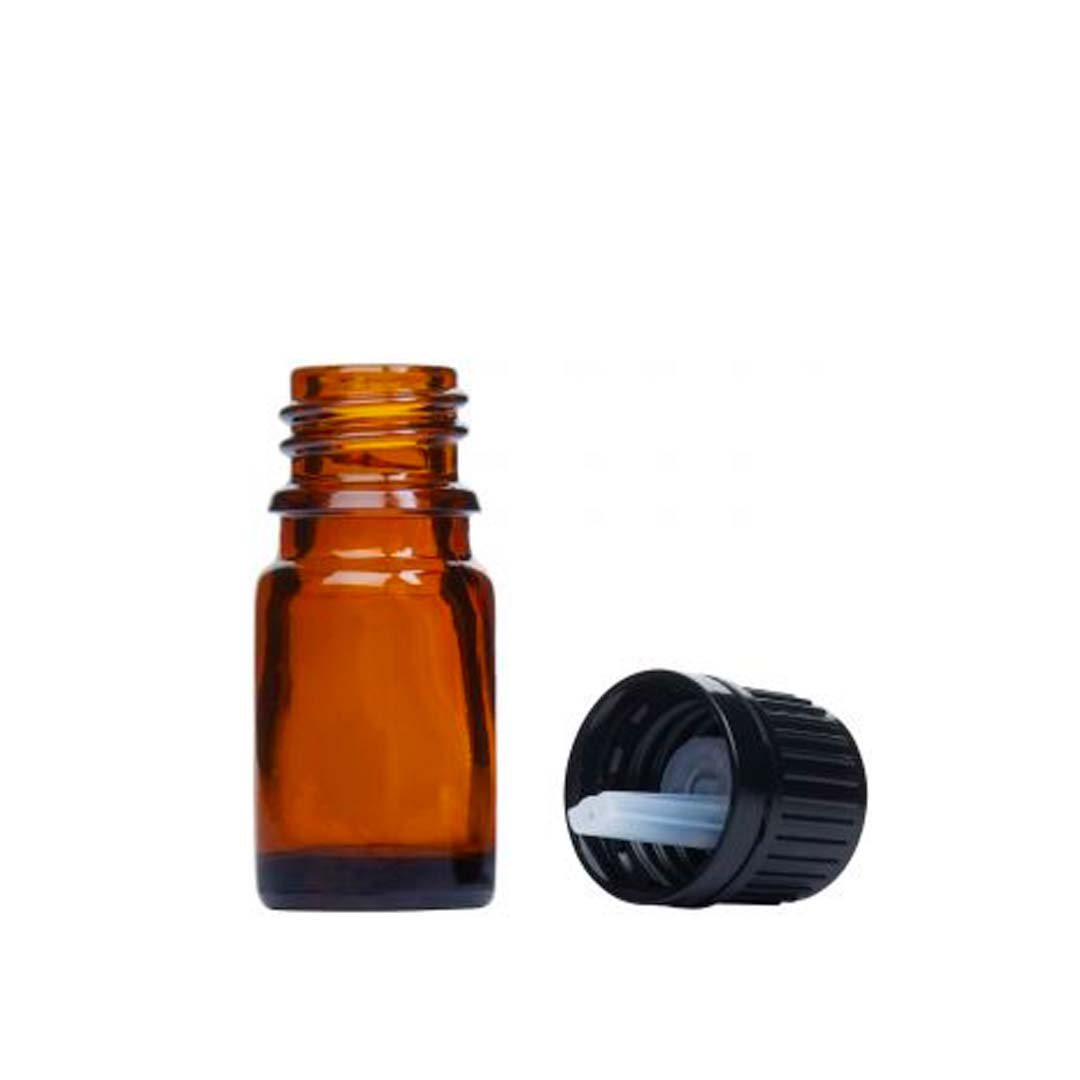
Amber glass, clear glass and why glass over plastic
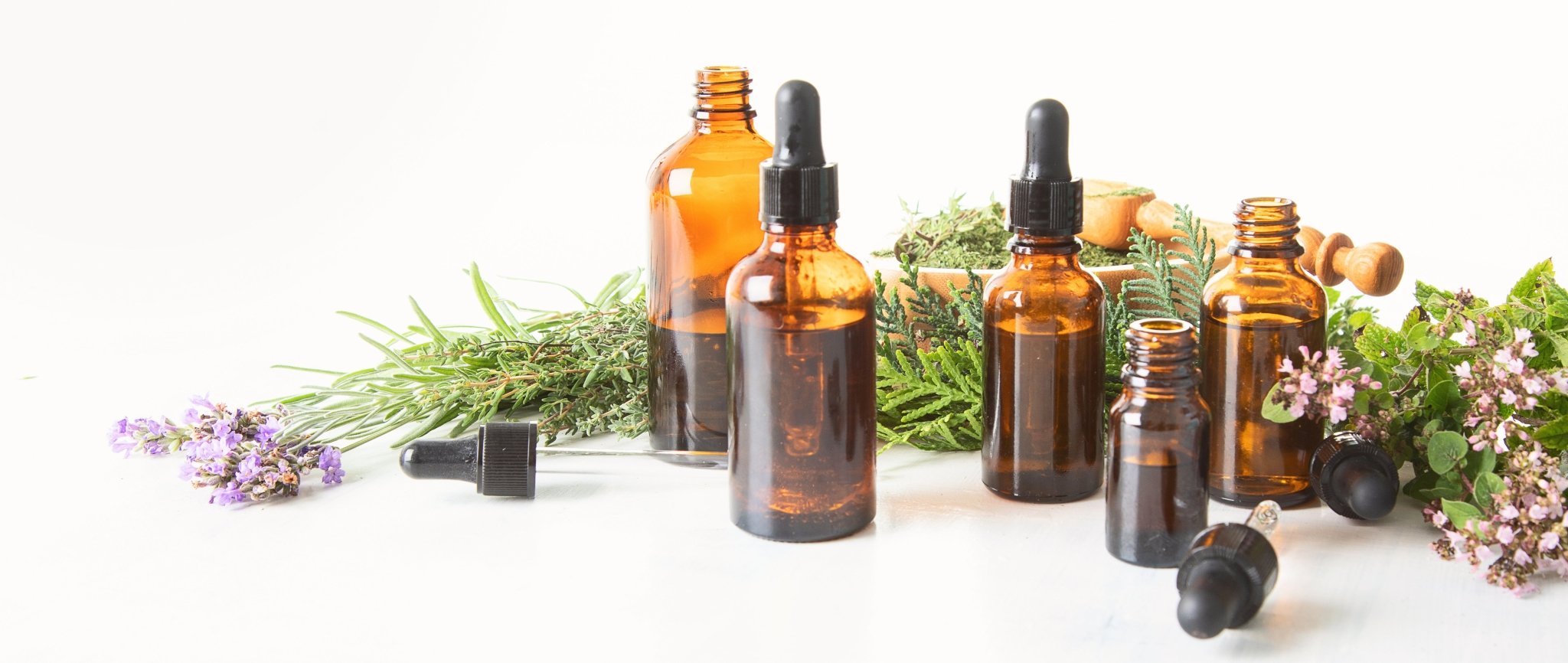
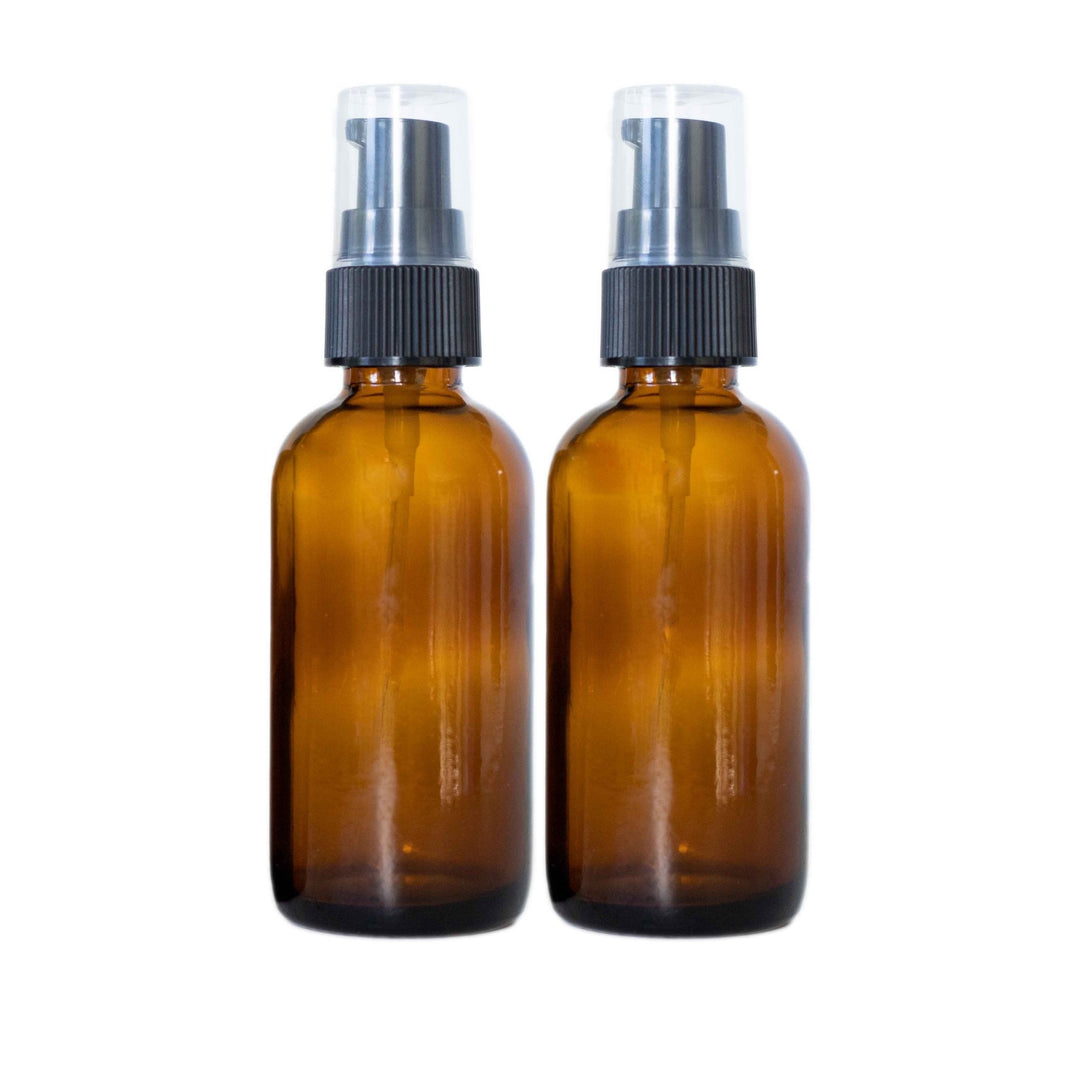
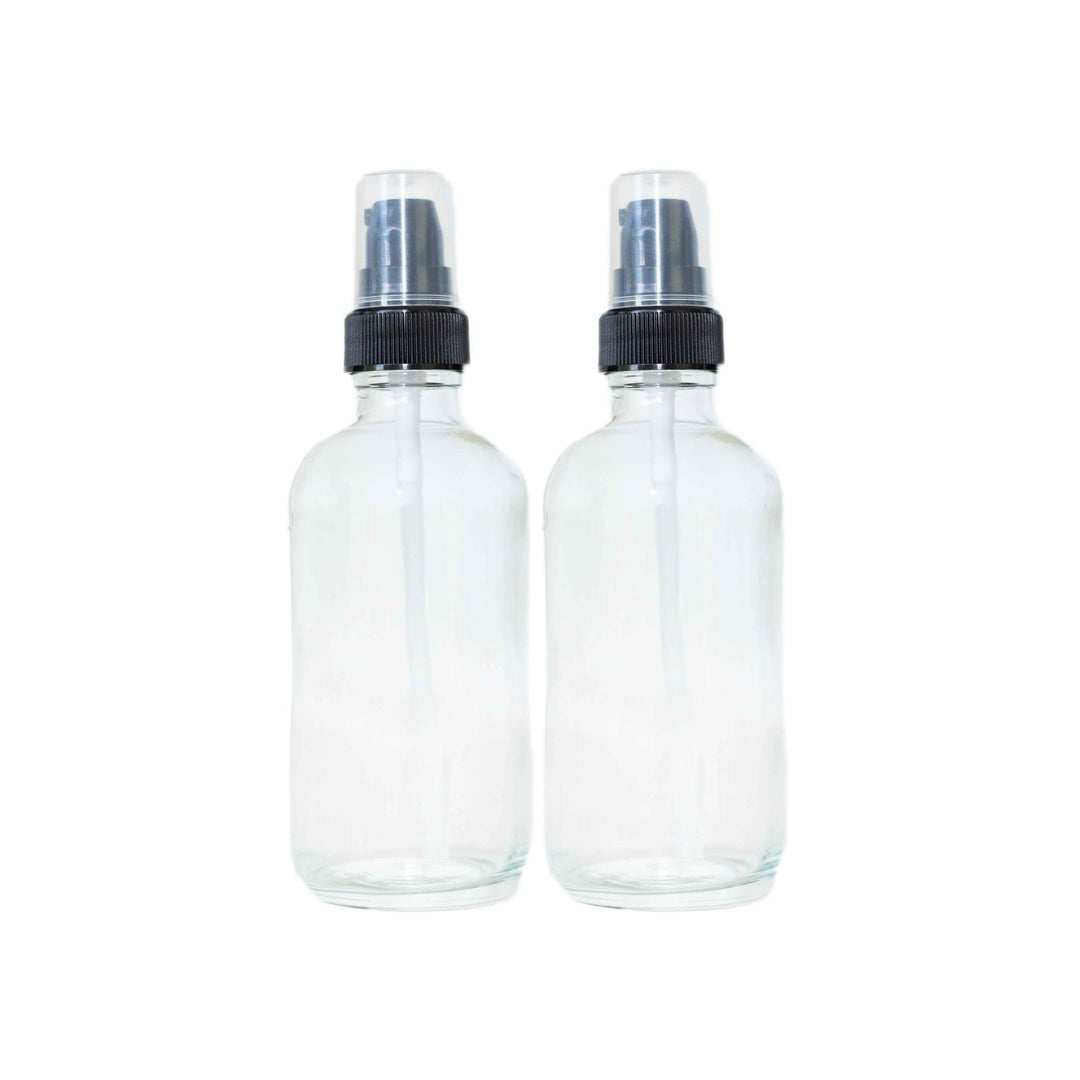
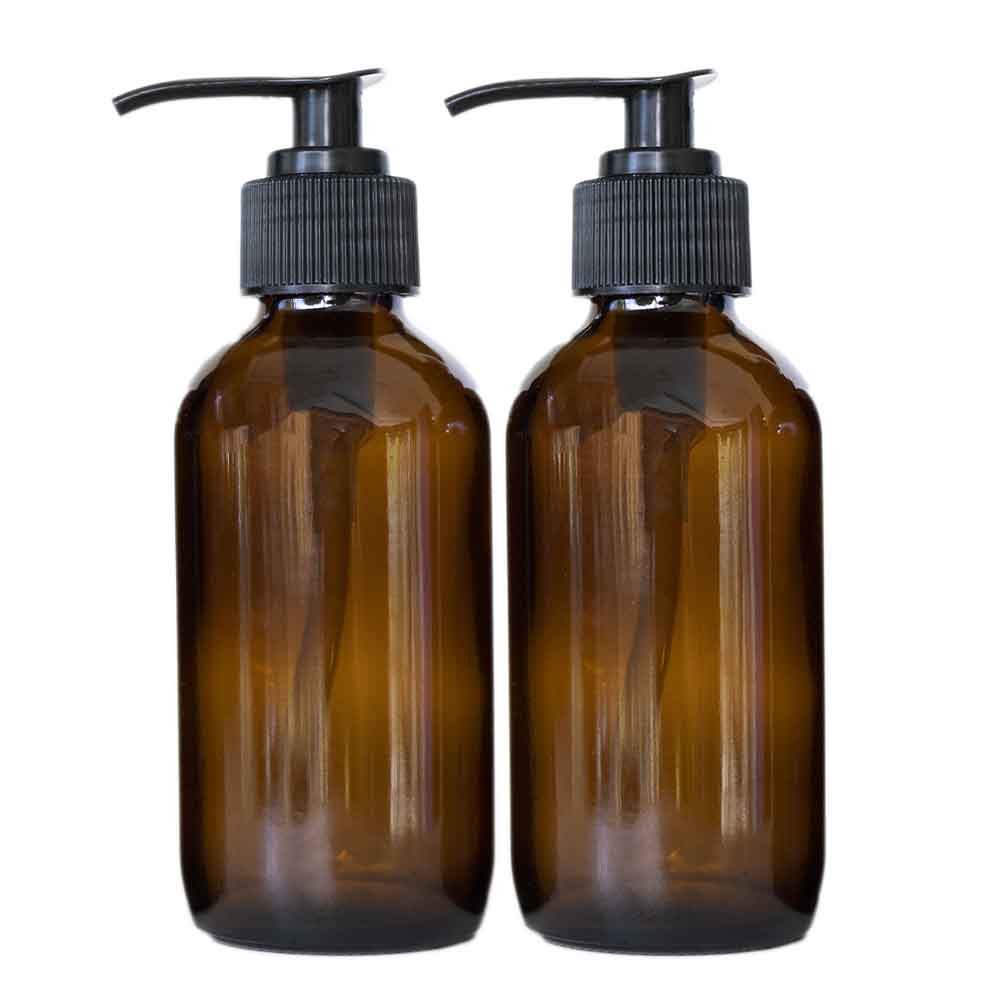
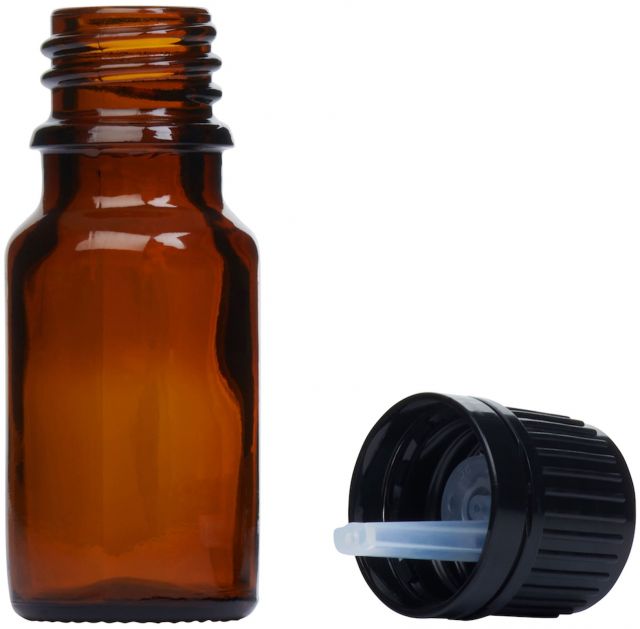
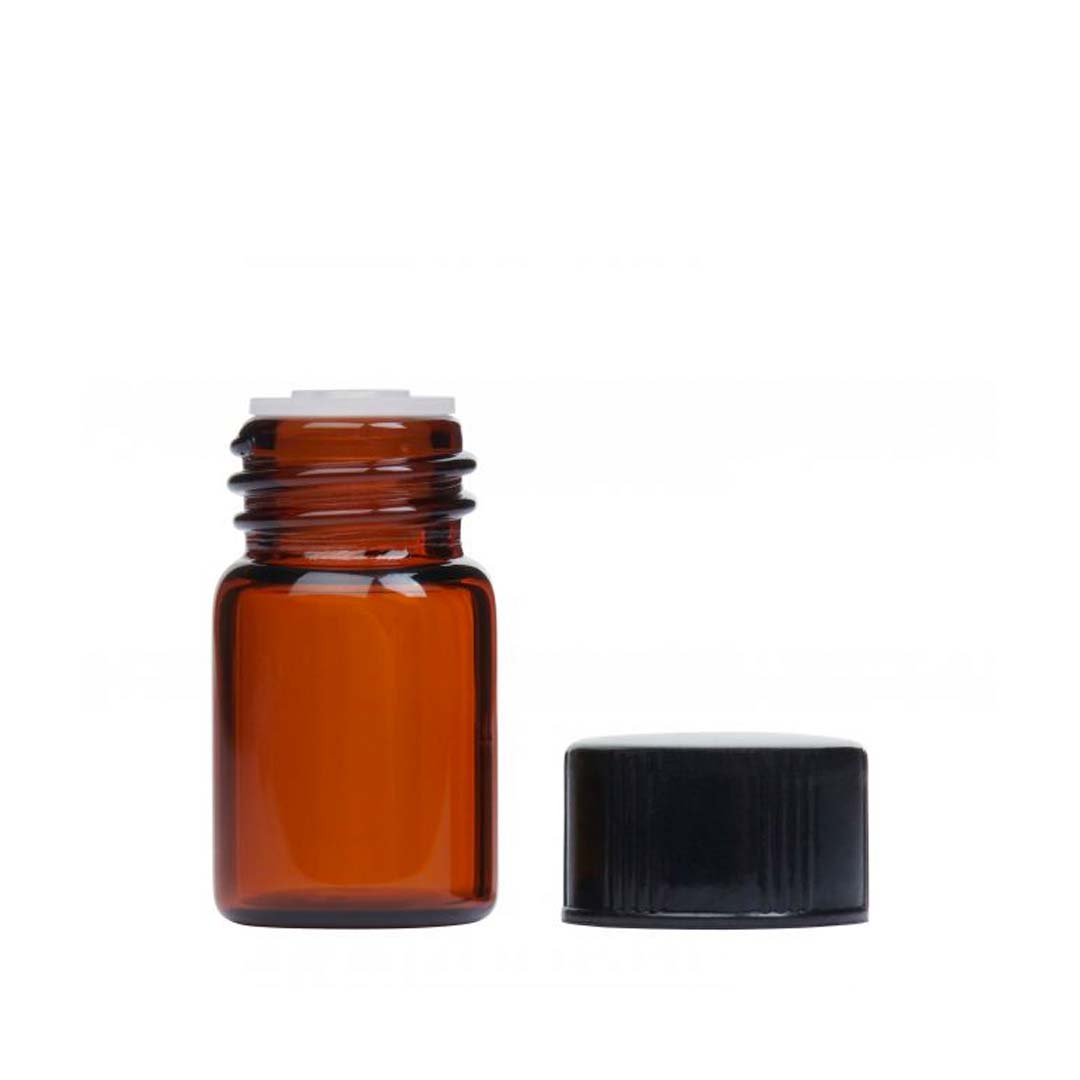
Amber glass and clear glass do different jobs. Amber blocks light, so the oils sensitive to it hold their scent and quality longer, the safer home for anything you mean to keep. Clear glass shields nothing from light, but it lets you read the oil and its level, so it suits what you'll use up soon.
Glass is inert, so neat oils belong in it rather than plastic. It won't react with the oil or pass anything into it, the way some plastics can with a strong, neat oil. Diluted things are gentler on their packaging; a room spray or a roll-on blend sits well in good-quality plastic.
Which bottle for which job, and keeping oils fresh
Small and large bottles suit different jobs. A small bottle holds a neat oil or a finished blend you dispense by the drop; a larger one takes carrier oils, lotions and anything you pour out in quantity. Match the bottle to the job, not to a number.
Essential oils fade and turn over time, and light, heat and air all hurry that along. An oil kept too long grows harsh and is more likely to bother the skin, so the aim is to slow that change. Keep them cool and dark, cap screwed down, where dark glass adds cover. A bottle kept full and capped sits over less air, and less air means a slower turn.
Glass pipettes and the electric resin burner
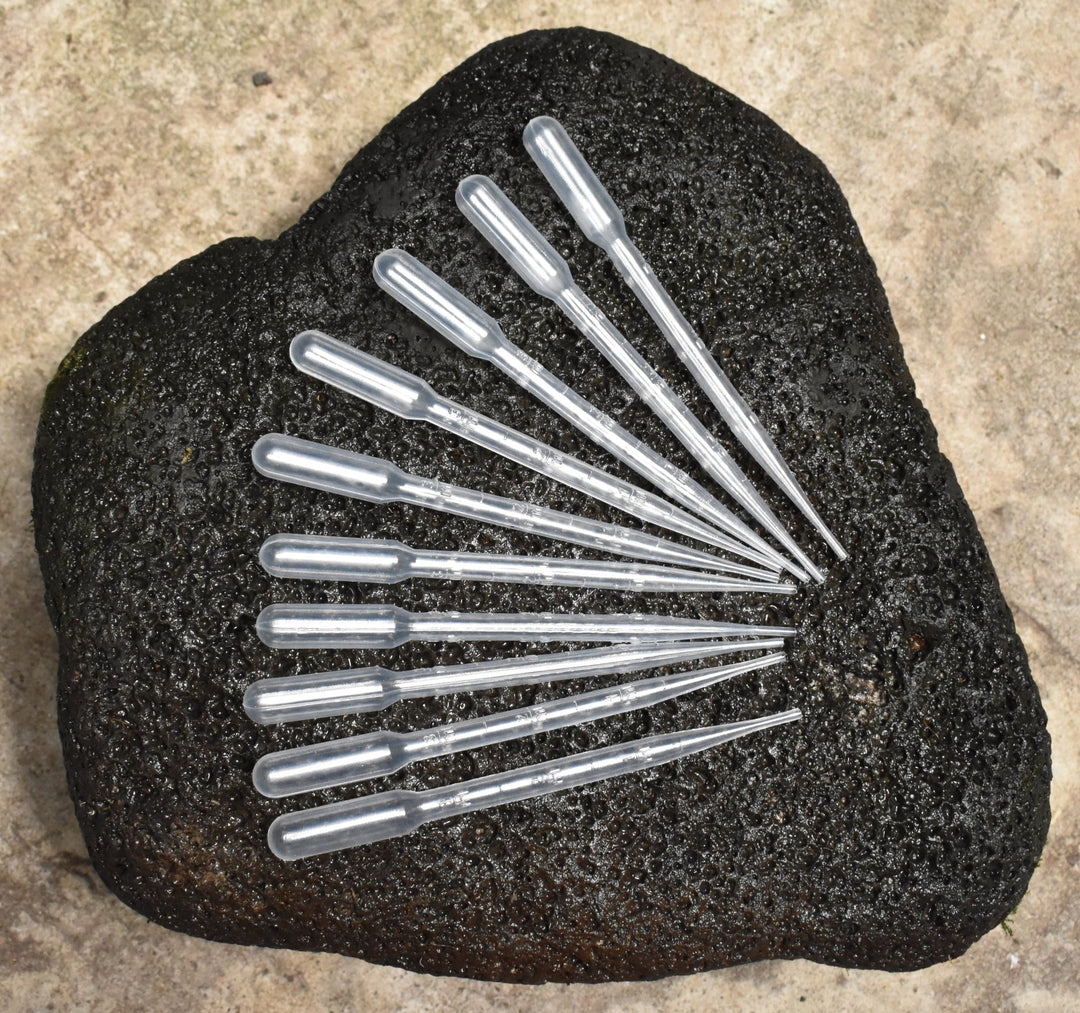
A glass pipette draws an oil up and lets it fall drop by drop. Pipettes measure out a blend, decant into a smaller bottle, and keep a strong oil off your hands without tipping the bottle or touching the dropper.
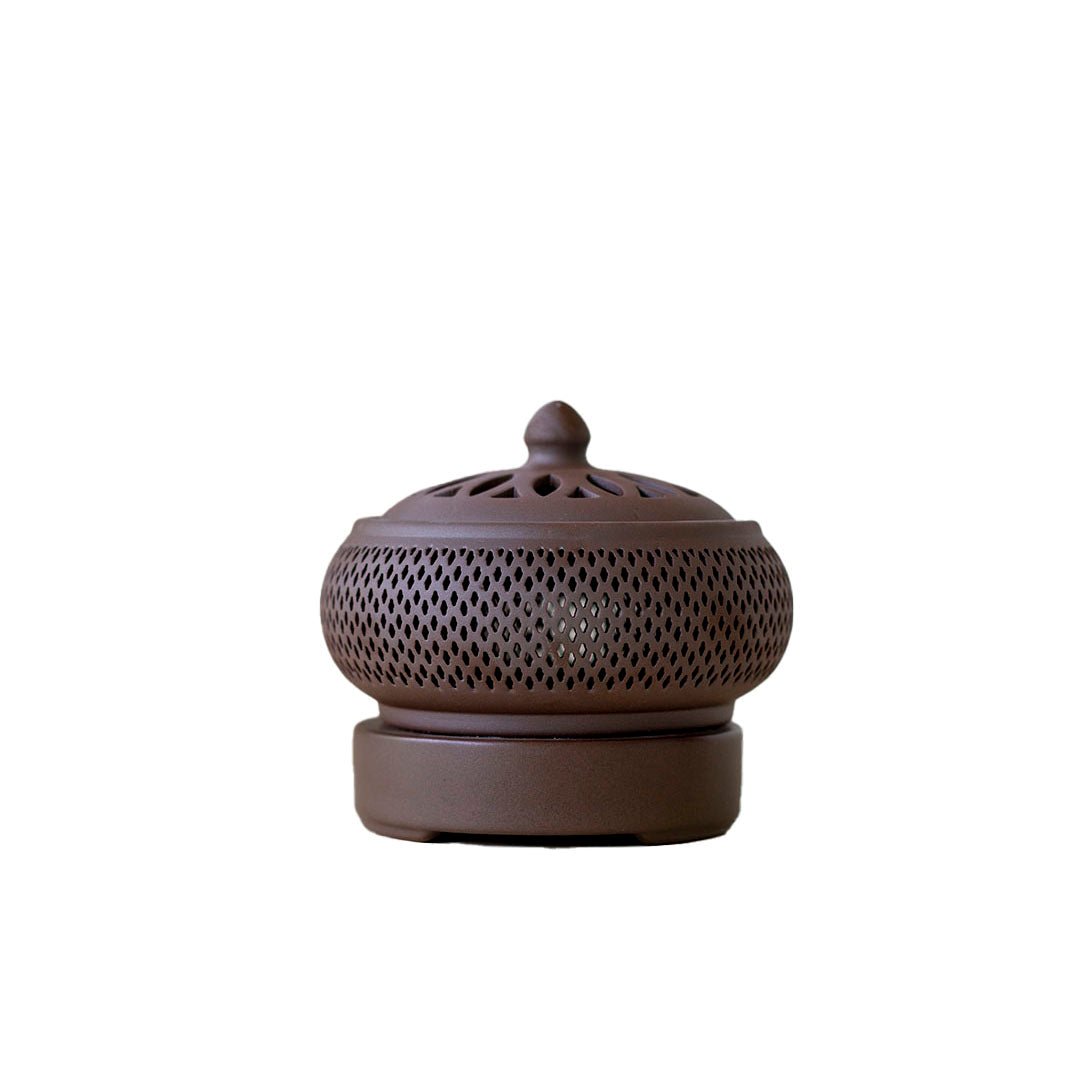
The electric resin burner warms resin with a heating element instead of a burning charcoal disc. Low heat lets the resin give up its resinous scent slowly, with no flame and little or no smoke, and a small piece lasts longer than on charcoal. Frankincense and myrrh, the classic aromatic tree resins, have long been burned as incense.
Frequently asked questions
Why are essential oils kept in glass instead of plastic?
Essential oils go in glass because glass stays inert and passes nothing into what it holds. Some plastics can shed traces into an undiluted oil over time, which is why neat oils need glass rather than a plastic bottle. Diluted products such as a roll-on or a room spray are easier on their container and can sit in good-quality plastic.
Does amber glass protect essential oils better than clear glass?
Yes, amber glass blocks light, so the light-sensitive oils keep their aroma and quality longer than they would in clear glass. Clear glass gives no such cover, though it does let you see the oil and how much is left. It is the better pick for anything you will use up quickly.
What size bottle should you store an essential oil blend in?
Choose the bottle by the job rather than by the number on it. A small bottle suits a single oil or a blend you use a drop at a time, while a larger one holds carrier oils and lotions. Keeping the bottle topped up and closed also leaves less air on the oil, which helps it last.
How should you keep essential oils once they are bottled?
Essential oils keep best somewhere cool and dark with the lid closed tight, because light, warmth and air are what turn them faster. An oil past its freshness can prickle sensitive skin sooner, so a shaded shelf and a snug cap earn their place. Dark glass helps by holding light off the oils that mind it most.
What is a glass pipette used for?
A glass pipette is a slim tube that lifts an oil and lets it out a drop at a time. It makes it easy to dose a blend by eye, refill a small bottle from a big one, and dispense without pouring or dunking the built-in dropper. Because the glass does not hold on to scent, it rinses clean between oils.
What is an electric resin burner and how does it work?
An electric resin burner uses a warm plate or element to heat resin, in place of a lit charcoal disc. Kept at a low heat, the resin melts and scents the room without catching alight, so there is next to no smoke. A little goes a long way, since it is not being burnt up as fast as it would be over charcoal.
Which resins can you burn in a resin burner?
Frankincense and myrrh are the two resins people usually start with, the aromatic tree gums long tied to incense. Any hard, fragrant resin of that kind can be warmed on an electric burner, which brings the scent out with steady heat rather than a flame.
Can you reuse essential oil bottles?
Yes, glass essential oil bottles can be washed and used again. Wash them in warm, soapy water, rinse well and let them dry fully before you refill, so no old oil or scent lingers. Glass is recyclable too, for when a bottle has reached the end of its life.