Vetiver, clary sage and geranium by origin
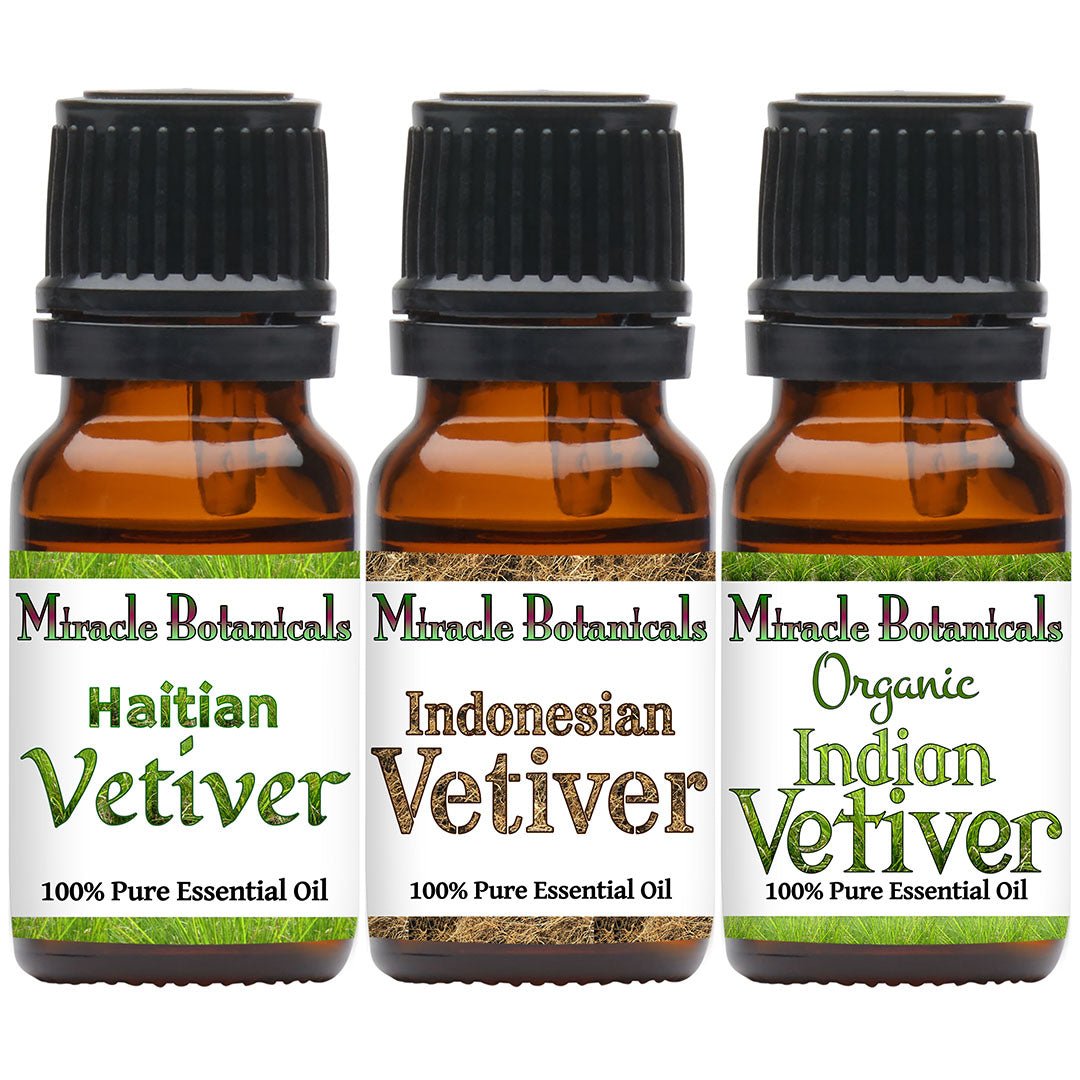
Vetiver arrives from three origins, Haiti, India and Indonesia, all one grass, Chrysopogon zizanioides, distilled from the roots, so they part on origin, not species. The Haitian is the refined, softly floral one, the Indonesian smokier, and the Indian the earthy khus material; vetiver's depth makes it a fixative that anchors lighter oils in a blend. The two clary sages are both Salvia sclarea from the flowering tops, the Bulgarian herbaceous and muscatel, the Kashmir lighter and more floral. The two geraniums are one species, Pelargonium graveolens, rose geranium the rose-scented variety and Egyptian geranium the plainer, greener one. Pick Haitian vetiver or Kashmir clary sage for softness, the Bulgarian for weight.
How the spice, seed and green oils differ in aroma
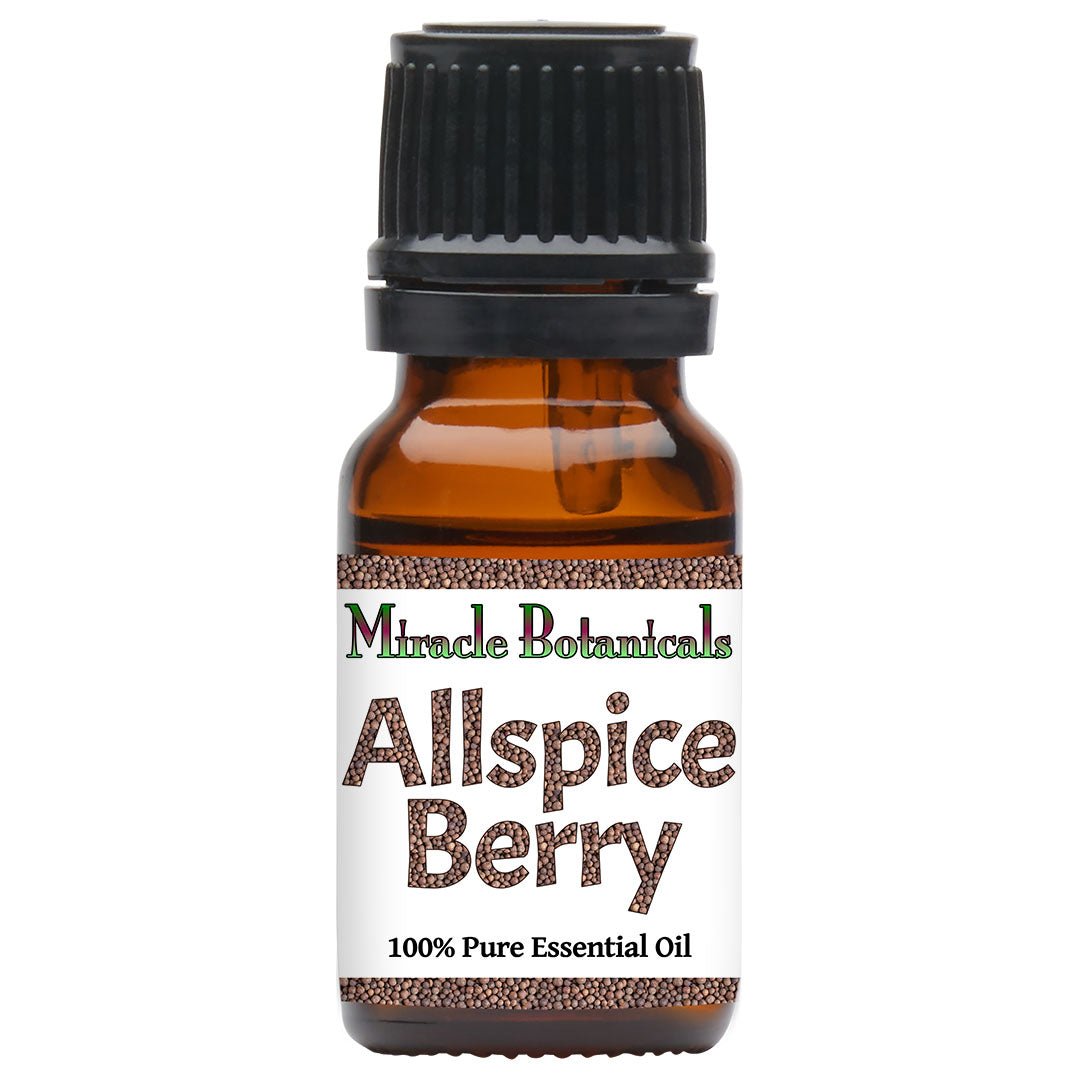
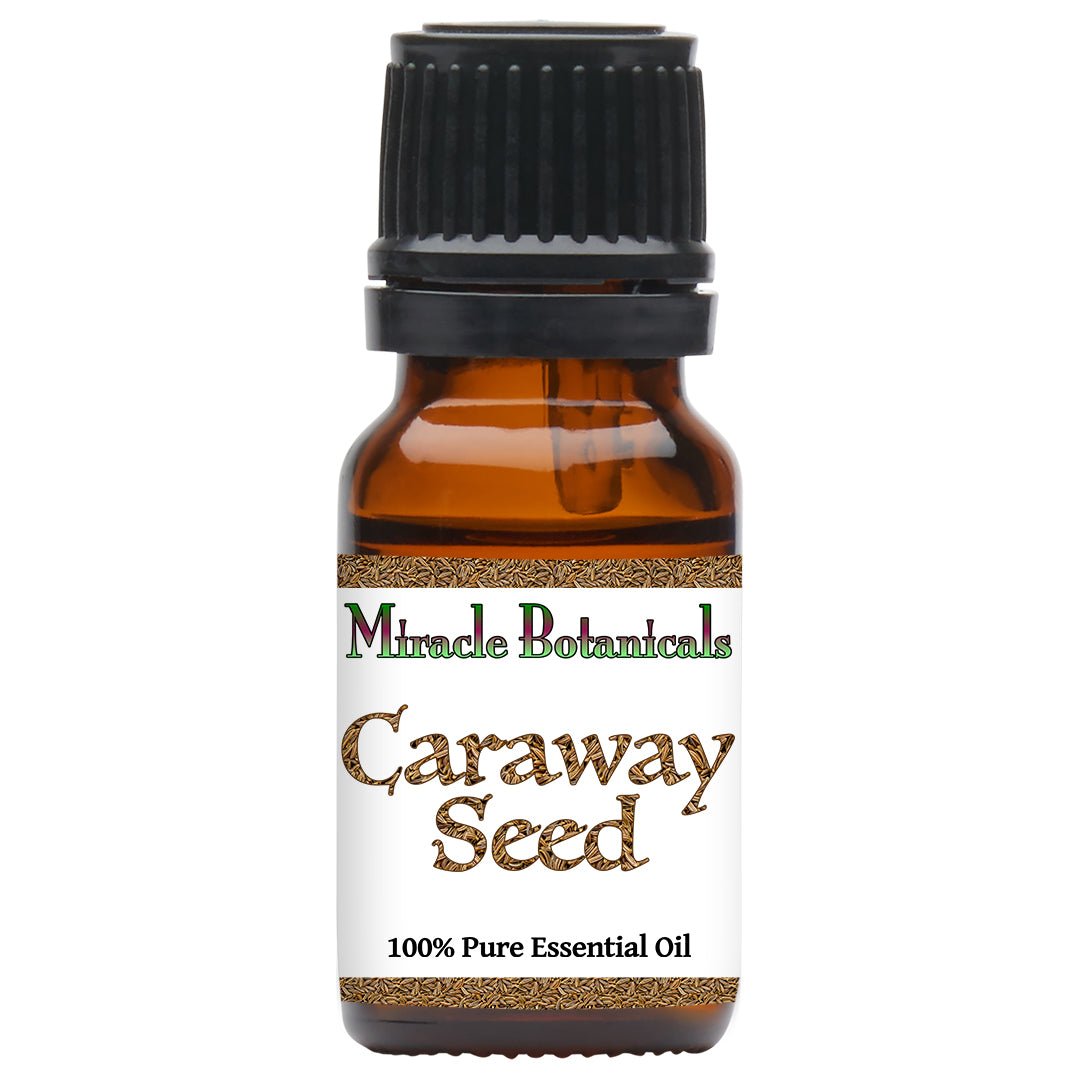
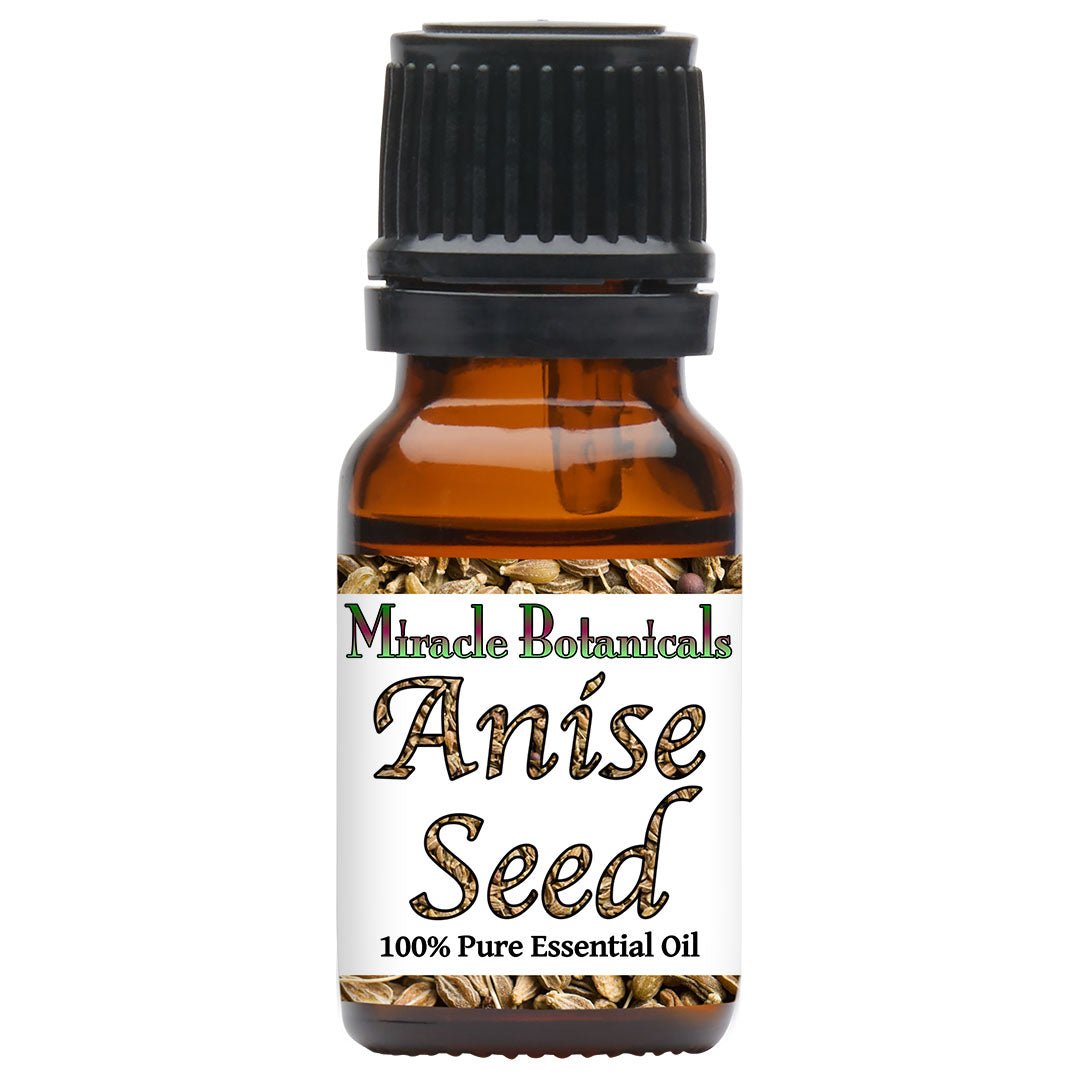
Cardamom, coriander and nutmeg lead the warm, sweet, spicy end, with caraway sweet-sharp, anise licorice-like and allspice clove-like; coriander, a CO2 extract led by linalool, reads soft. Holy basil is warm and clove-like, spearmint the fresh, sweet-green mint, low in the menthol that sharpens others, and mugwort herbaceous. Myrtle, a fragrant leaf long used in ceremony, and cabreuva, a South American wood oil, round it out. Of these, cardamom sits warmest and spearmint greenest. Each is worked into a carrier oil, well diluted and never neat, usually at 1 to 5 percent, with allspice and holy basil, the eugenol-rich pair, treated most carefully.
The blends, body oil and sampler sets, and their sourcing
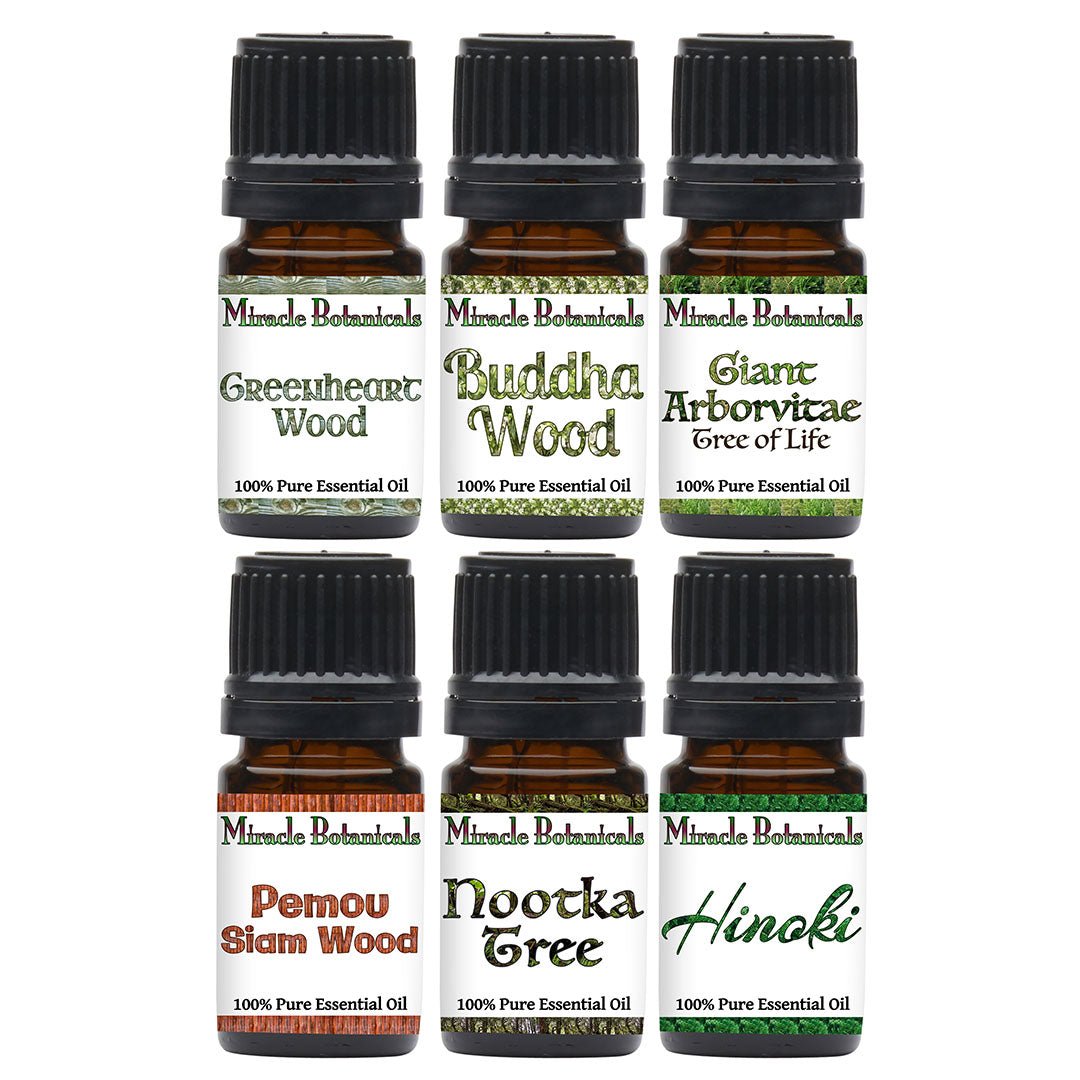
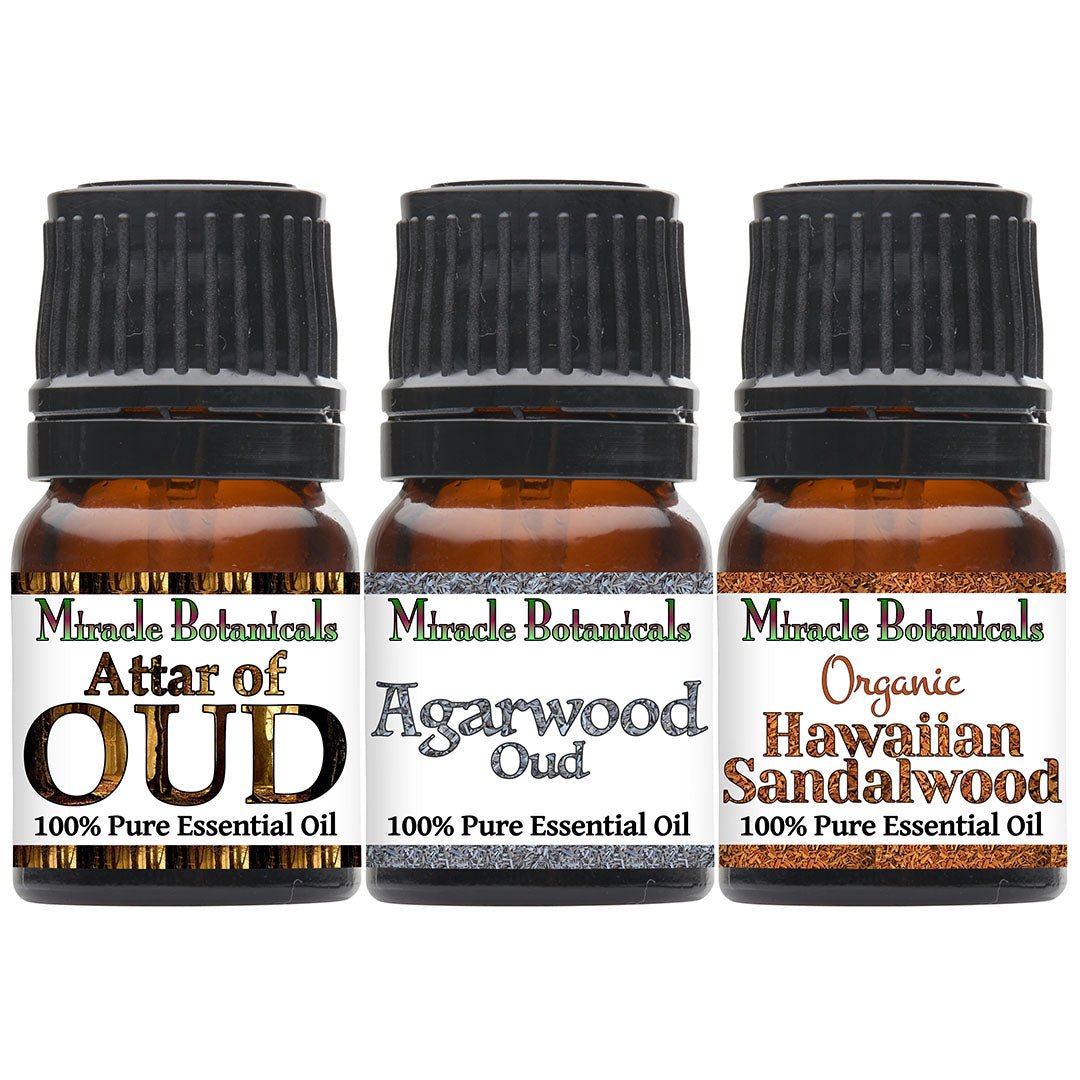
Alongside the single oils, the collection carries our blends, Sweet Dreams, Sleepy, Malu, Heart and Swirly Twirly Gumdrops, described by aroma, warm and woody. The Hope Body Oil comes blended into argan carrier oil, ready to use, and the Fat Free formula mixes several oils. Sampler sets follow too, among them the Vetiver Trio gathering the vetiver origins and the exotic-wood samplers. Cardamom and coriander are CO2 extracts, and the herbs, roots and woods are usually steam-distilled. Sourcing runs through skilled farmers and distillers, some working small artisan batches, and a third party tests each oil for synthetics, pesticides and adulteration. The oils are bottled by hand, and are among those we use ourselves.
Frequently asked questions
How do the three vetiver oils here differ from one another?
The Haitian, Indian and Indonesian vetivers are the same grass, Chrysopogon zizanioides, and the oil comes from its roots; what changes is the origin, not the species. Haitian vetiver is the most refined and softly floral, the Indonesian carries more smoke, and the Indian is the earthy khus. All three share the deep, tenacious quality that makes vetiver a natural fixative in a blend.
How do the Bulgarian and Kashmir clary sage oils compare?
Both are Salvia sclarea, the flowers steam-distilled, so they differ by origin, not by plant. The Bulgarian is the classic Mediterranean oil, more herbaceous and muscatel, while the Kashmir is lighter, softer and more floral. Which one you reach for comes down to aroma alone.
How does rose geranium differ from Egyptian geranium?
Both are the same species, Pelargonium graveolens, distilled from the leaves, so they are two forms of one geranium. Rose geranium is the rose-scented variety, with a softer, rosier note, while the Egyptian is the plainer, greener material of Egyptian origin. The rose one is the sweeter floral; the Egyptian the greener of the two.
Is clary sage the same plant as garden sage?
No, clary sage is Salvia sclarea and common garden sage is Salvia officinalis, two different species in the same genus, so they are not interchangeable. Clary sage carries only minimal thujone; that concern belongs to true sage. They are not the same oil, and their aromas differ.
Is mugwort essential oil one to use with extra care?
Yes, mugwort is a thujone-bearing plant in the same genus as wormwood, so tradition sets it aside during pregnancy, and it is best used sparingly and well diluted. Those who are pregnant should take advice from a qualified practitioner first.
Can the oils in this collection be used in cooking or taken by mouth?
No, several of these are spice and seed oils, but none should be eaten or taken by mouth; they belong in a diffuser or in a well-diluted blend on the body. Swallowing an essential oil, or adding it to food, is only ever done on the advice of a qualified practitioner. They are concentrated plant oils, best met by aroma.
Do the spice and seed oils here react in sunlight the way citrus oils can?
No, the oils that react in sunlight are the expressed citrus oils, and this collection carries none of them. Even caraway, which holds a trace of the same compounds, carries far too little to react. So none of the spice and seed oils here call for the sun caution that pressed citrus does.