How the woods, resins, florals and spices differ
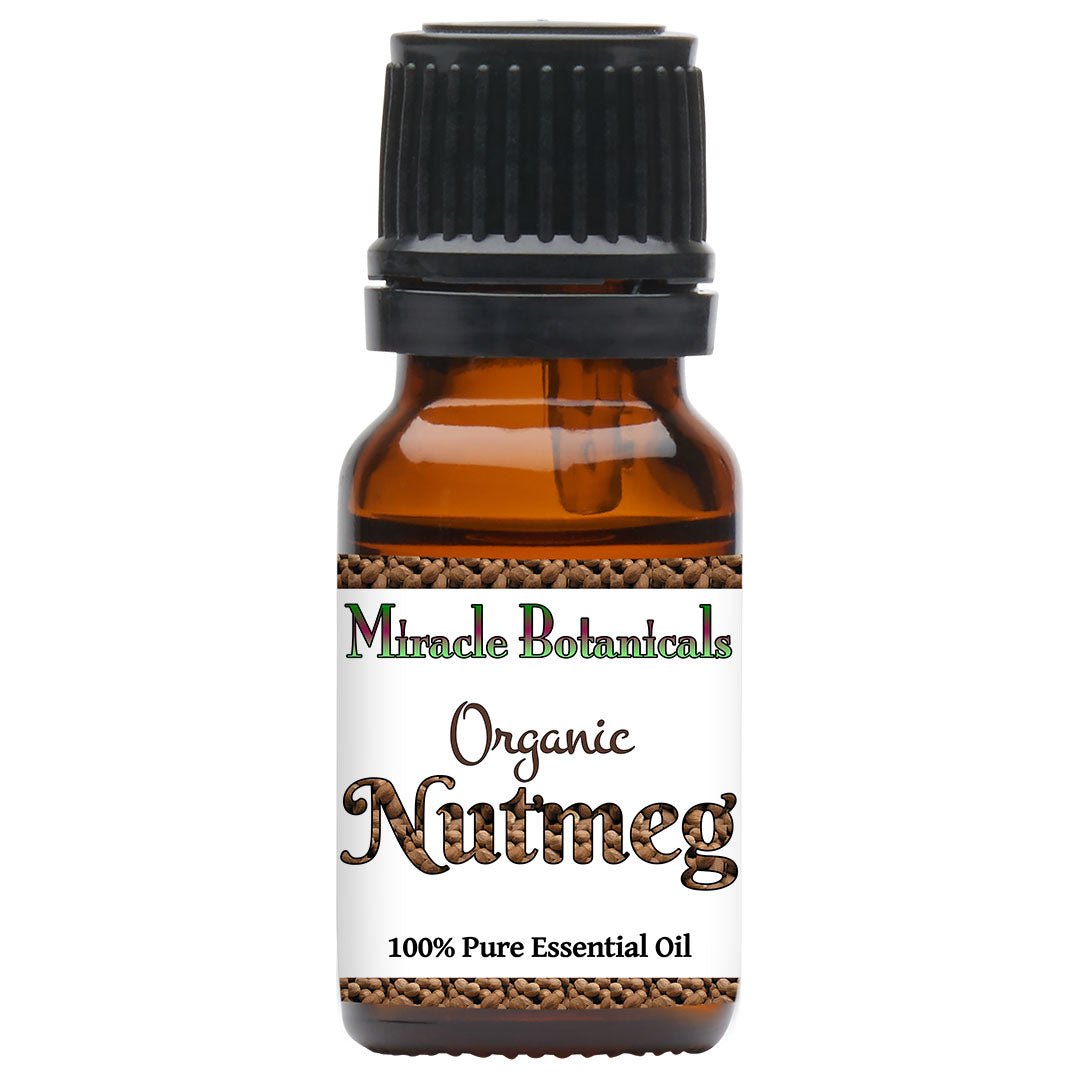
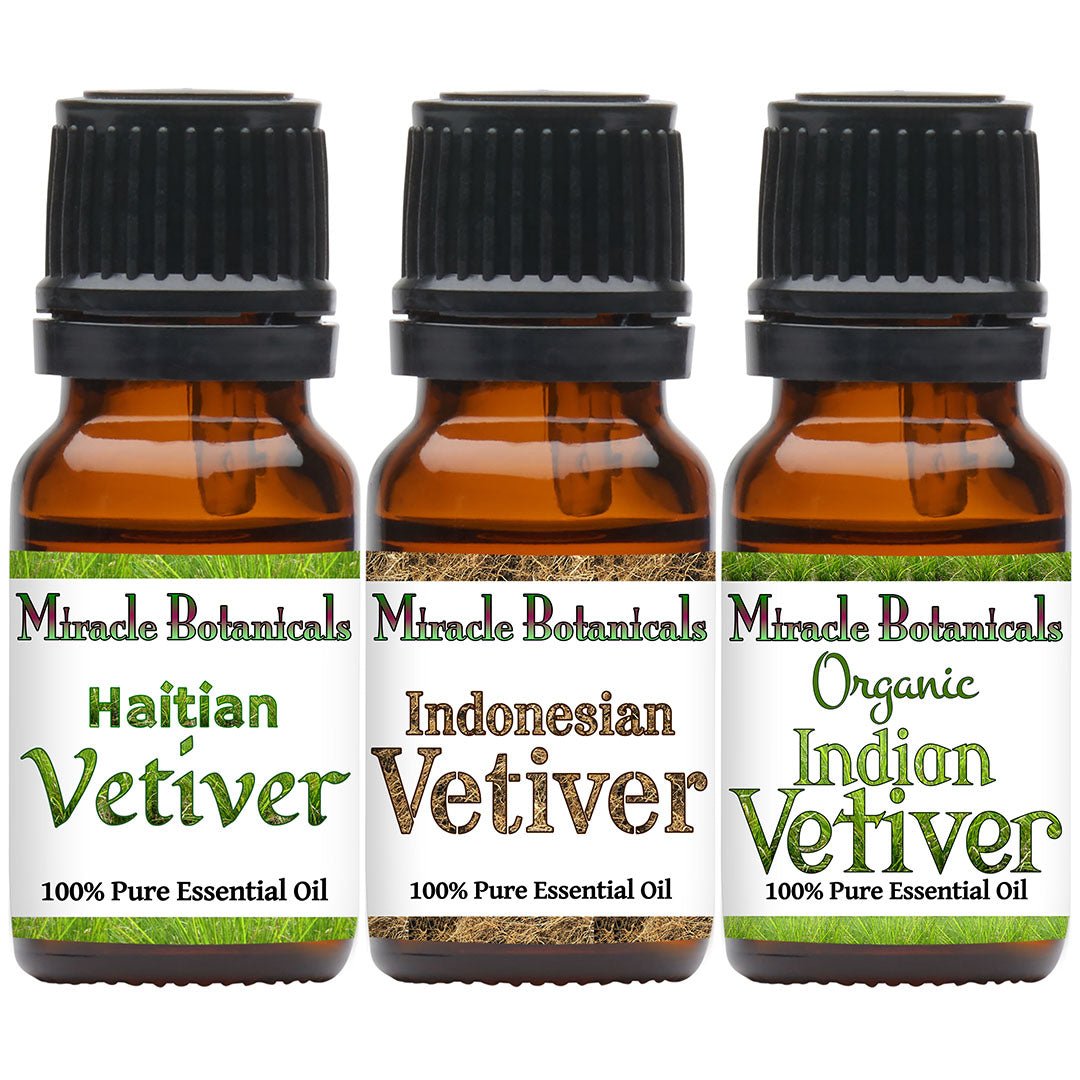
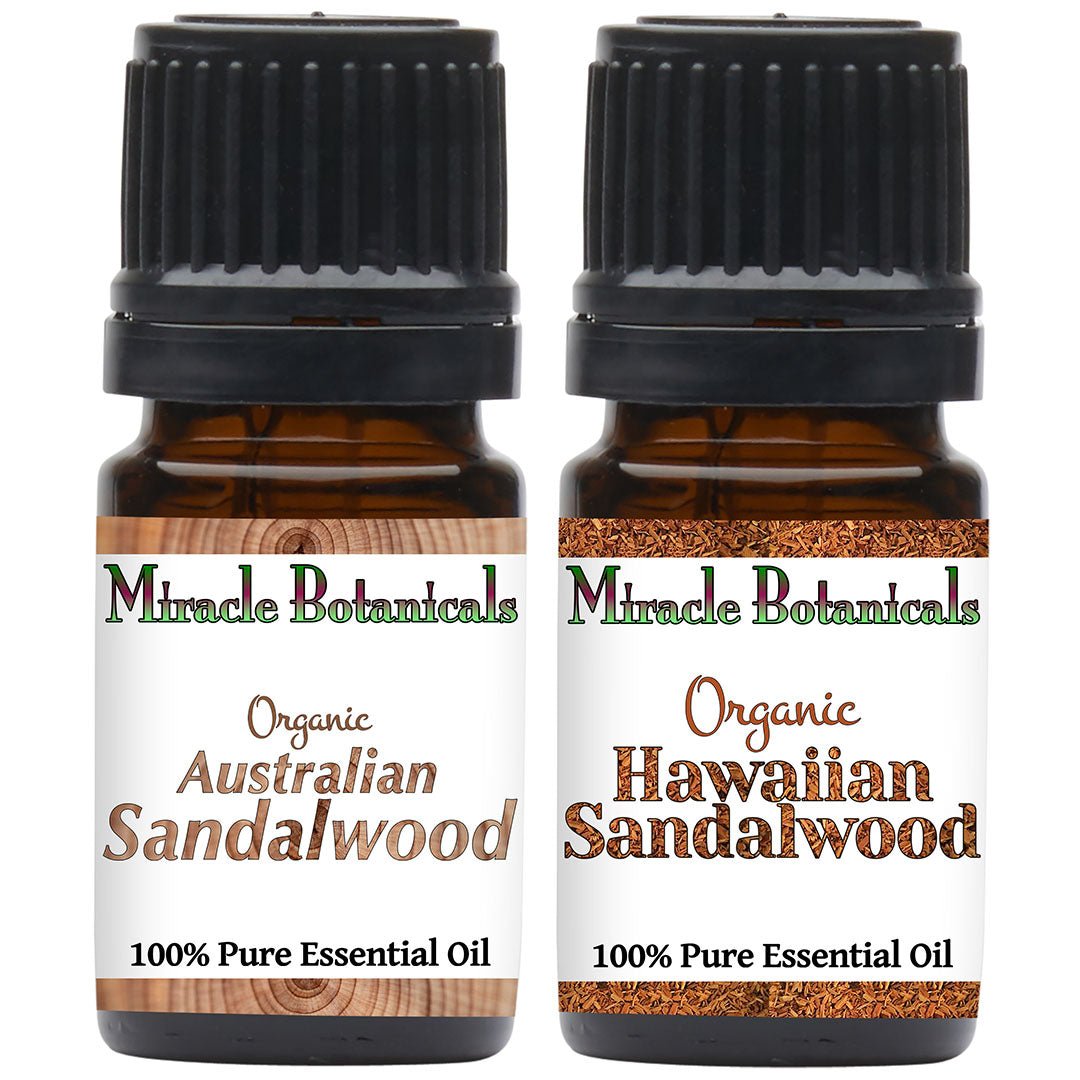
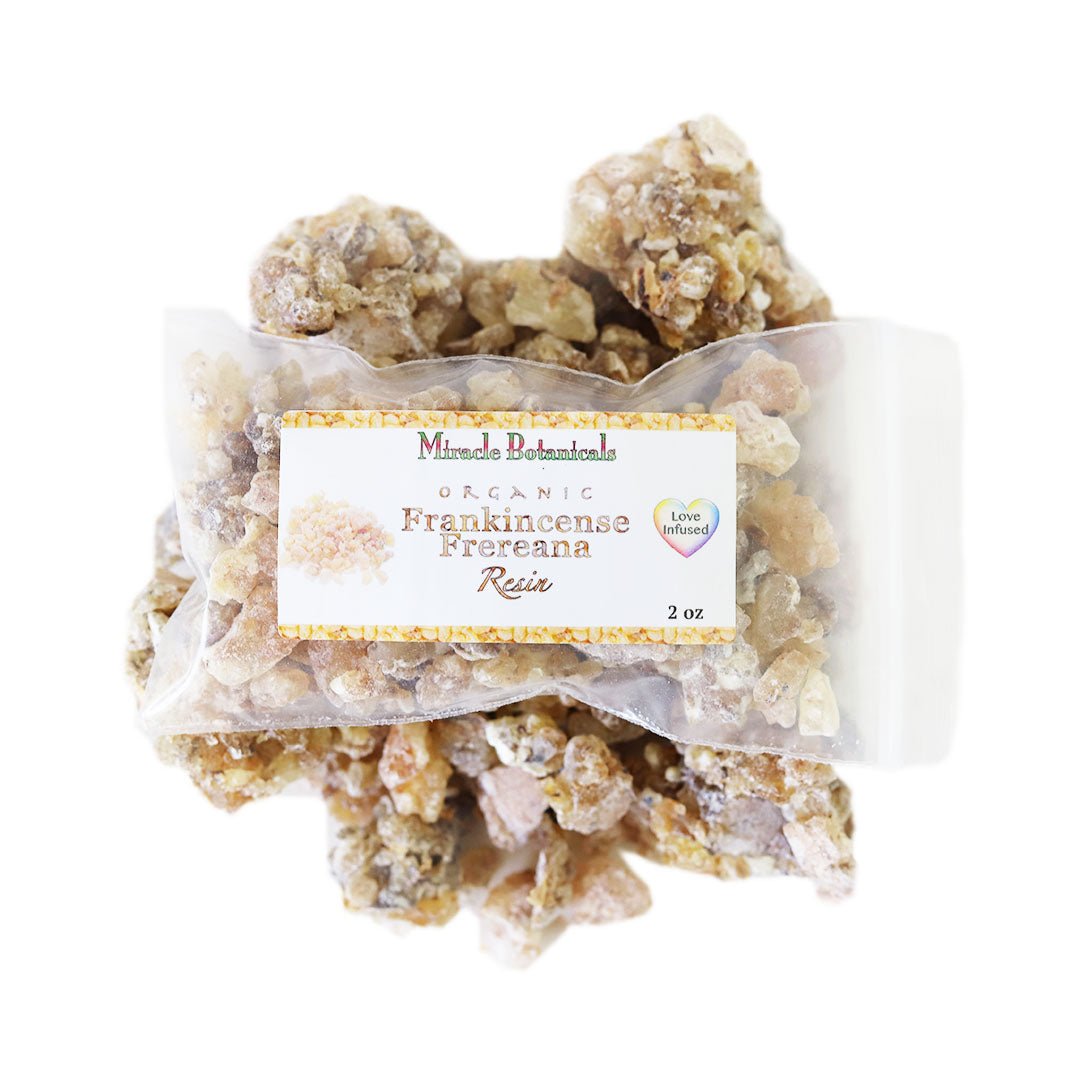
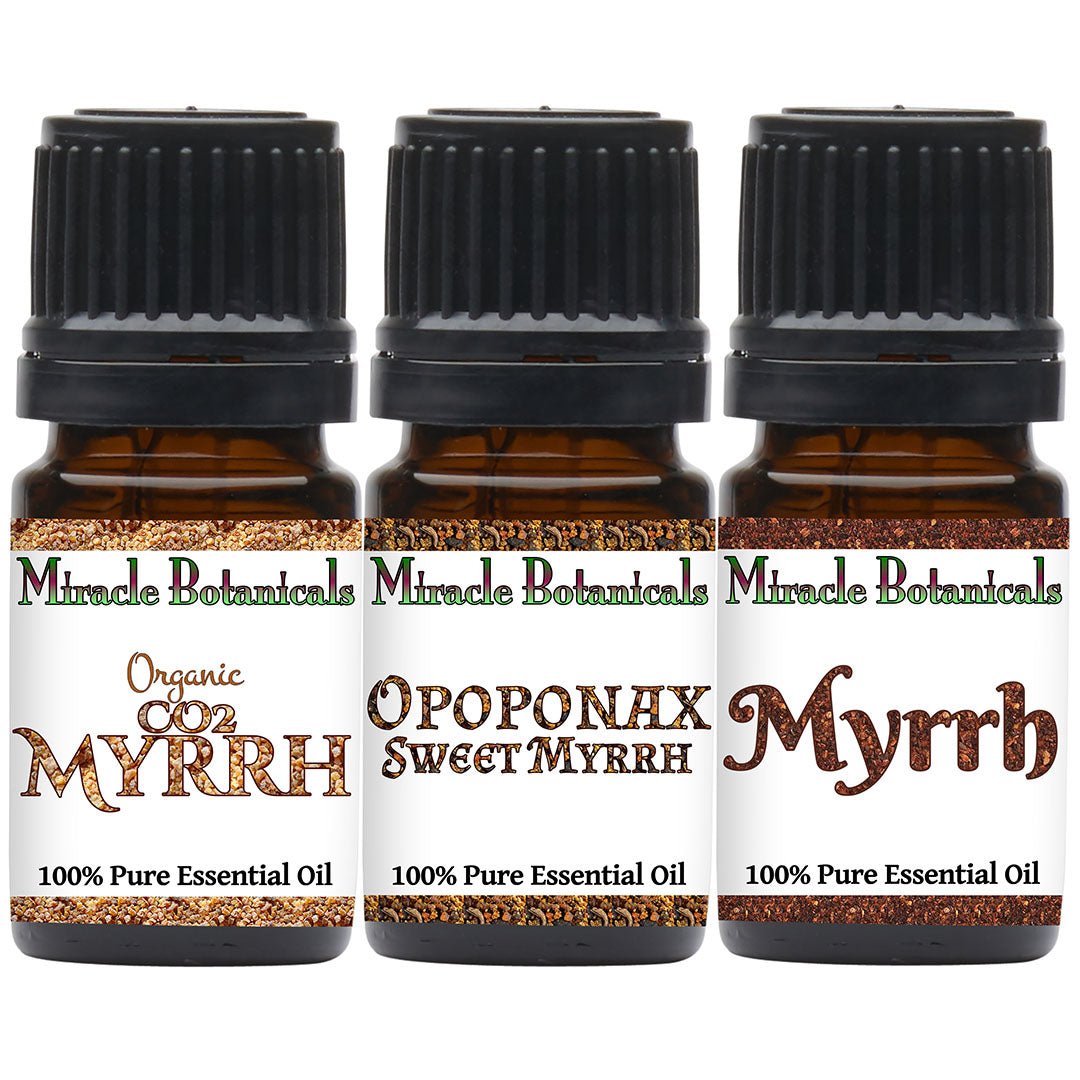
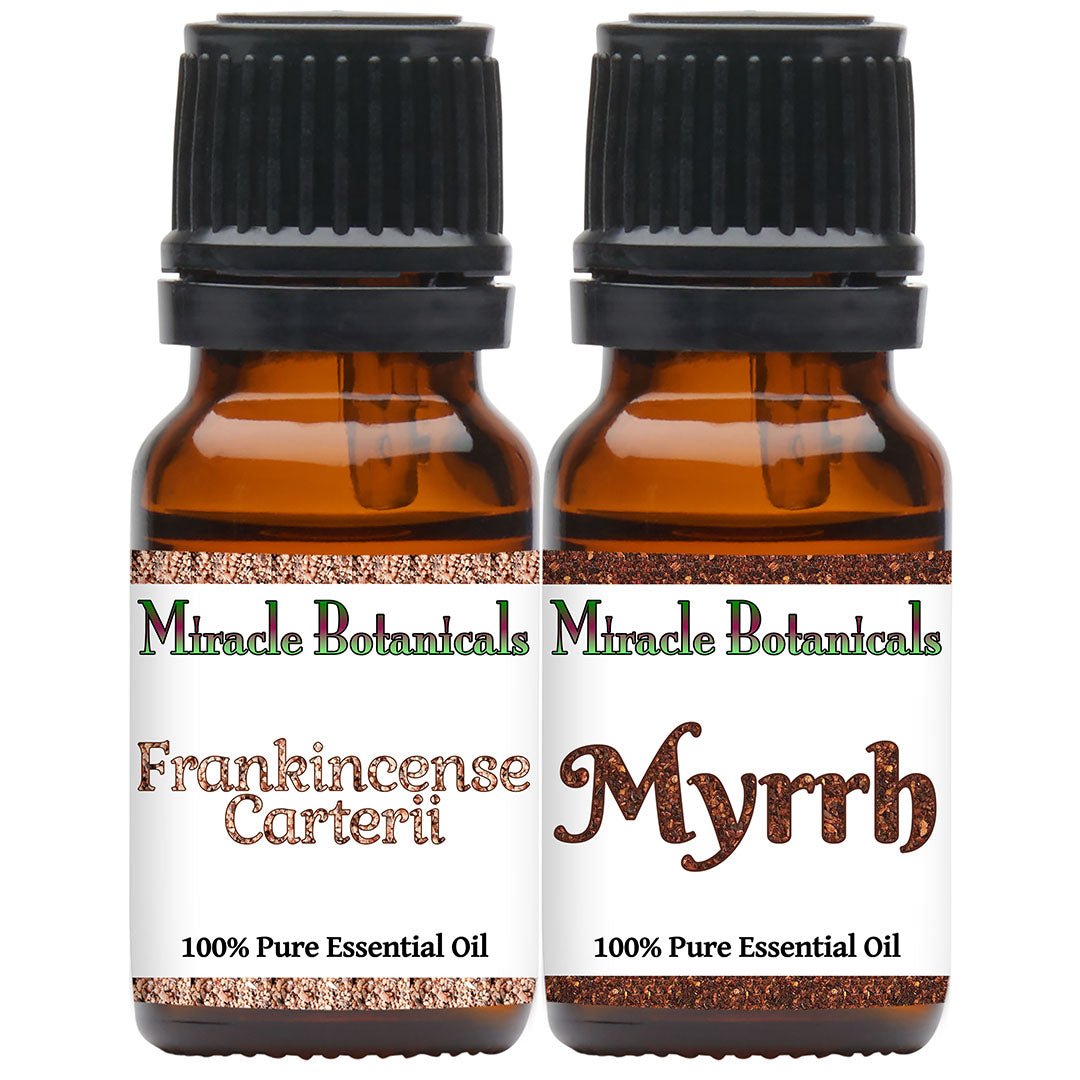
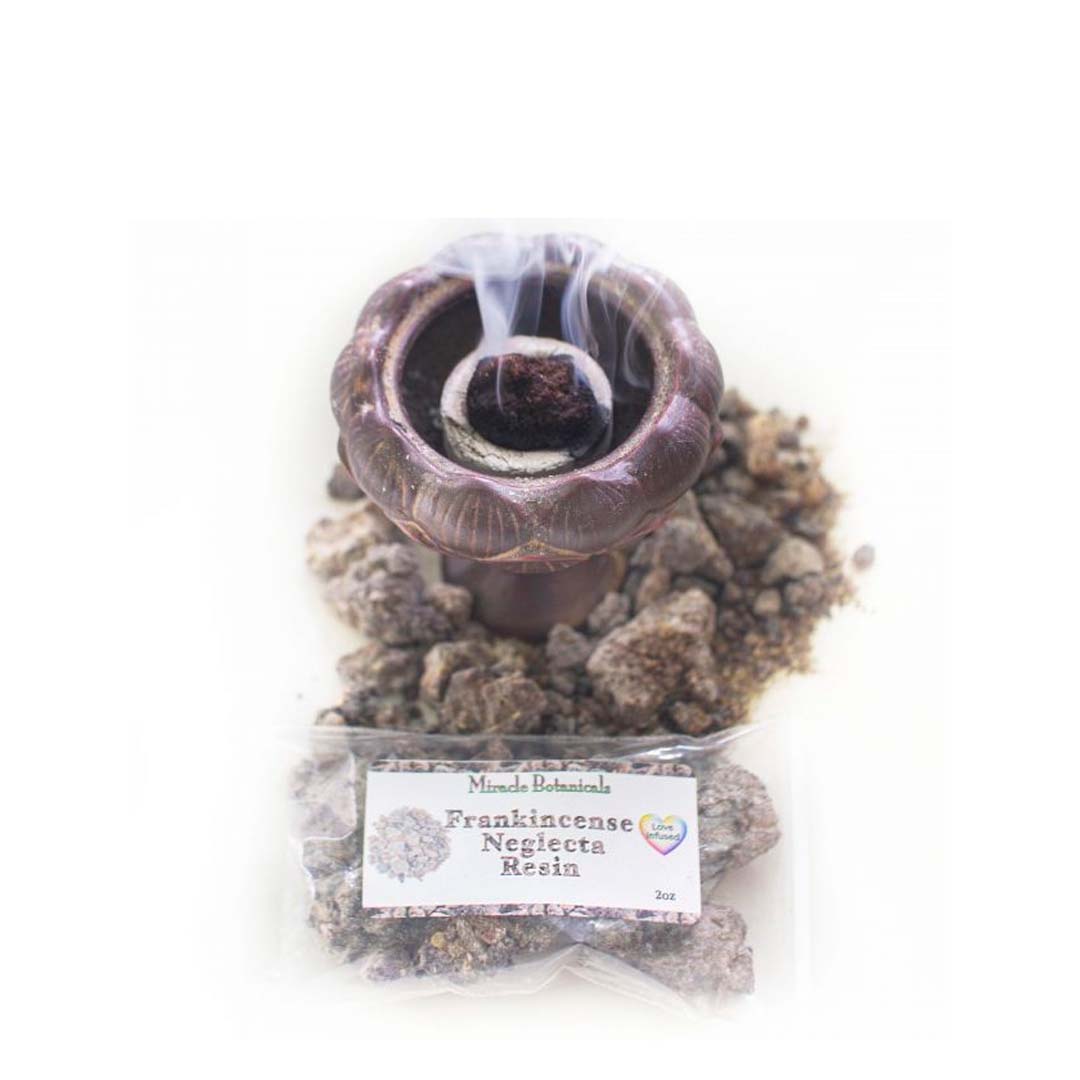
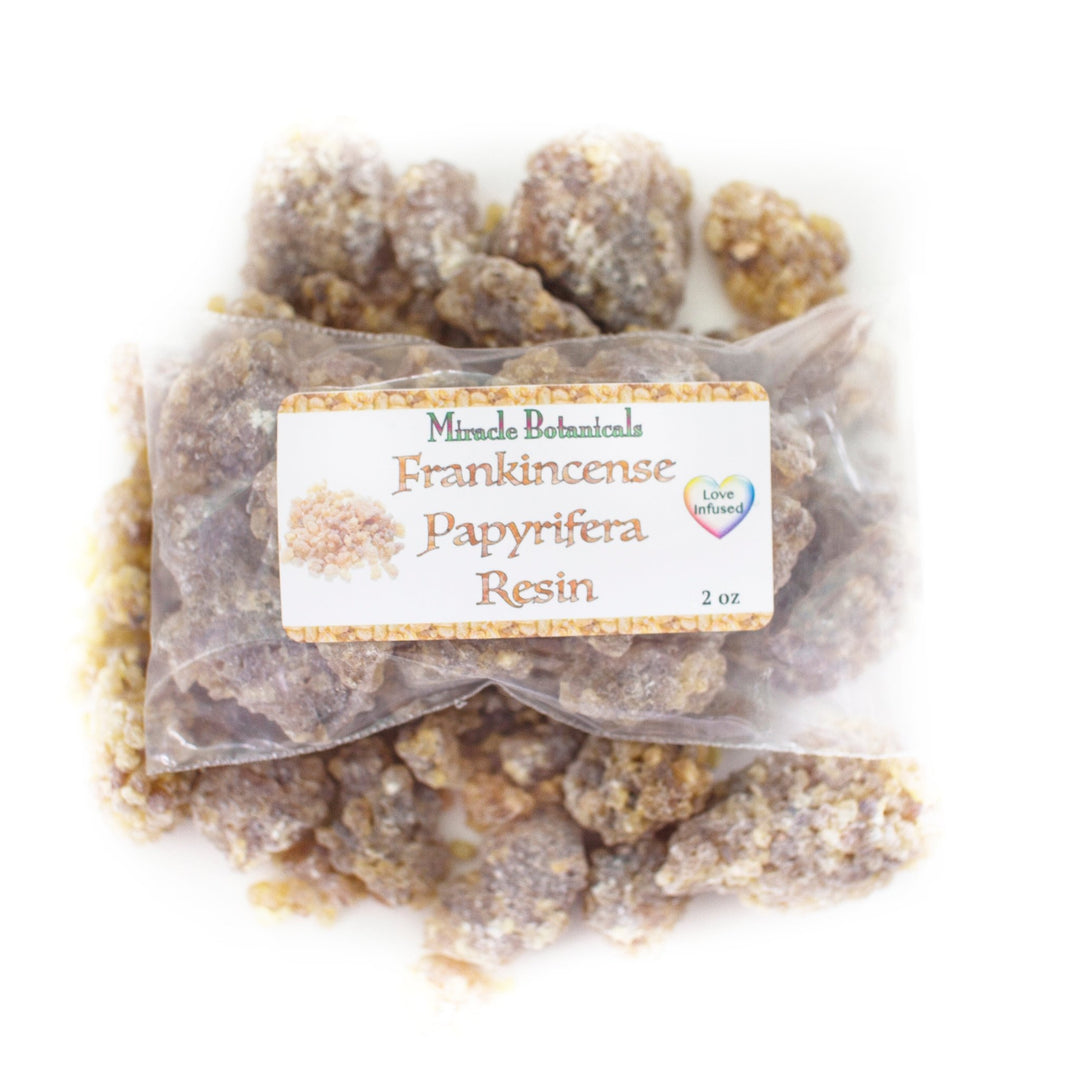
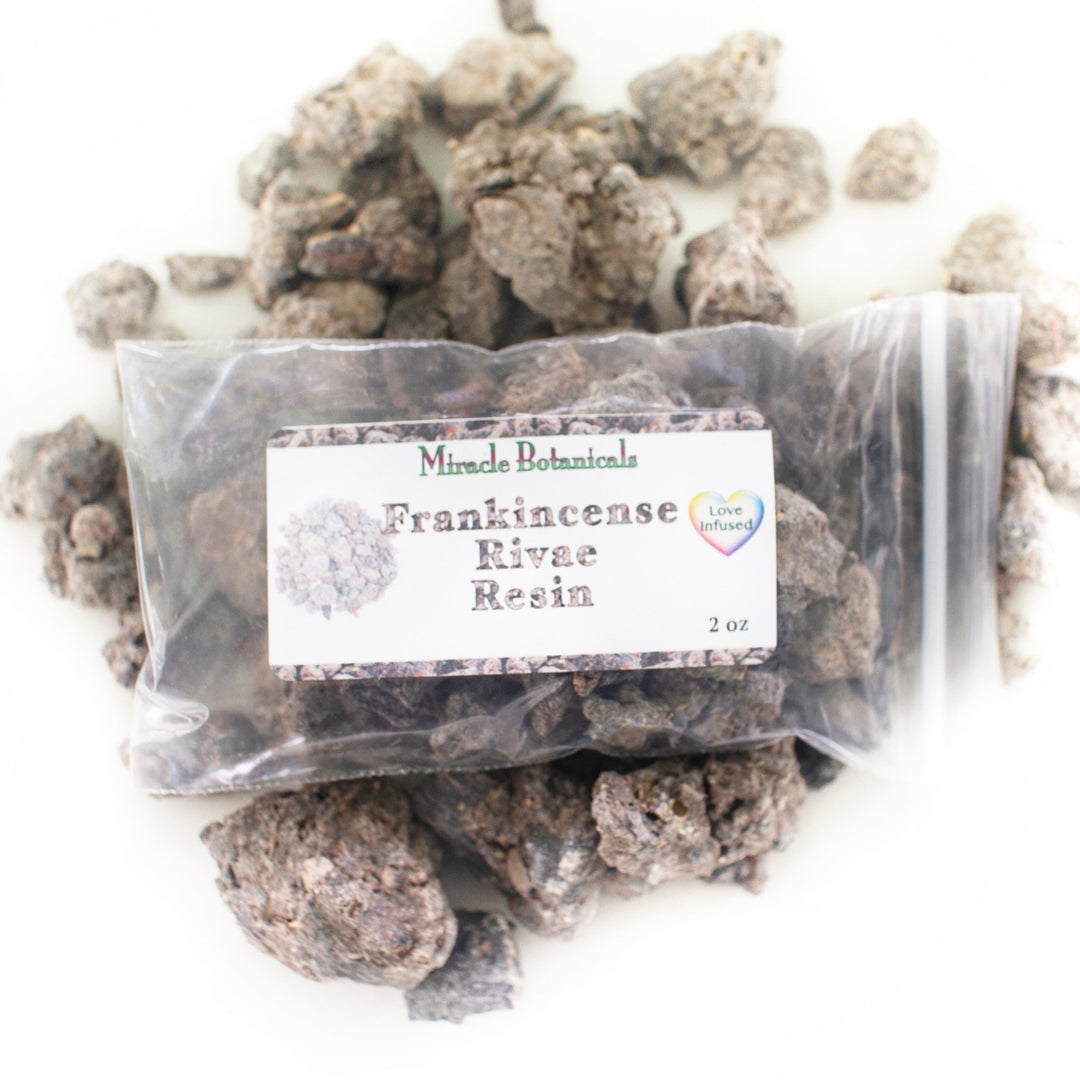
Four aroma groups run through the collection, the warm woods and roots, the sweet resins, the rich florals and the warm spices. The woods and roots go deepest, sandalwood soft and creamy, oud musty and complex, vetiver and patchouli dark and earthy. The resins are sweet and heavy, frankincense, myrrh, opoponax and cistus among them. Rose otto, jasmine and ylang ylang carry the rich florals, full and heady. Cinnamon bark and nutmeg bring the spice, with vanilla soft and sweet.
Deciding which format fits you best
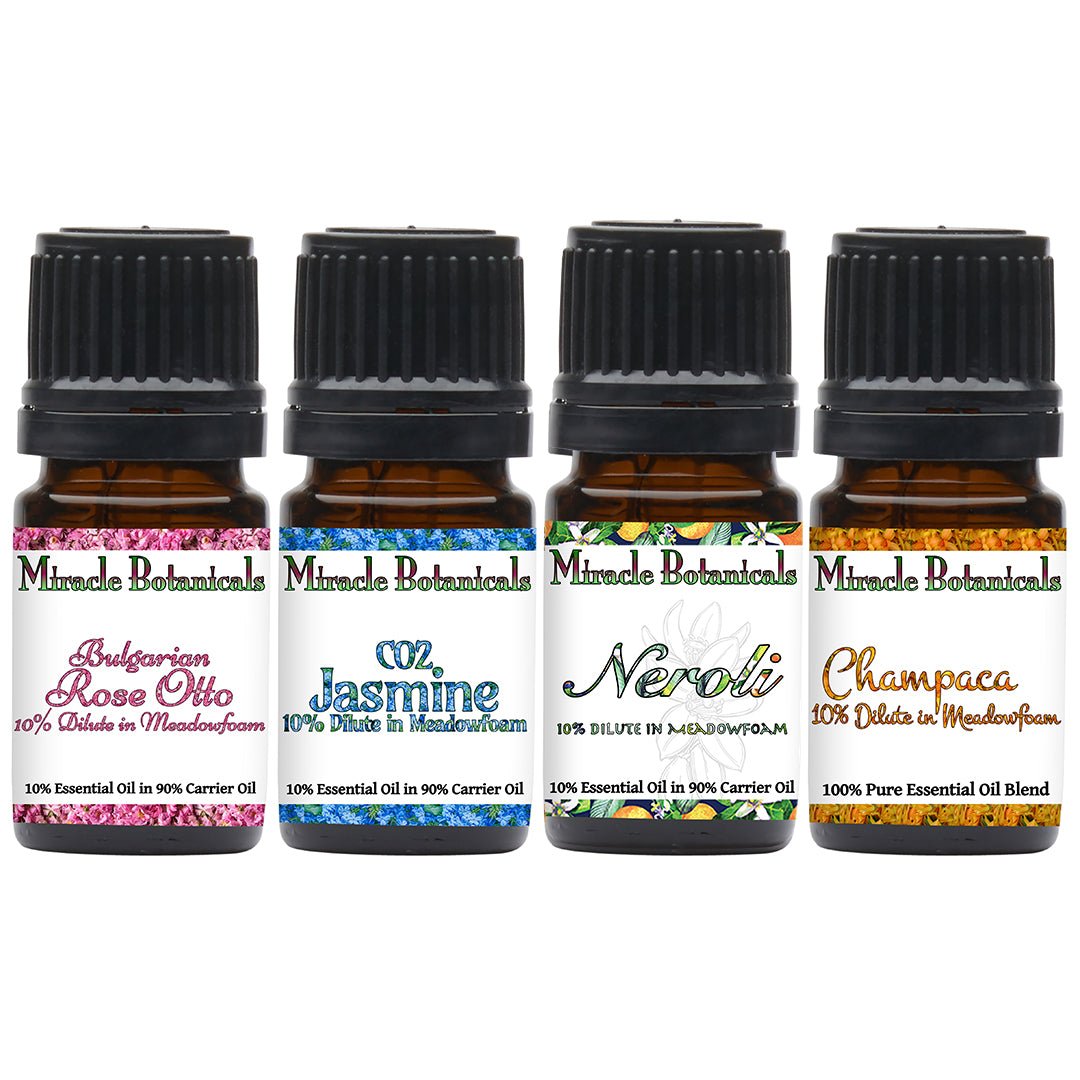
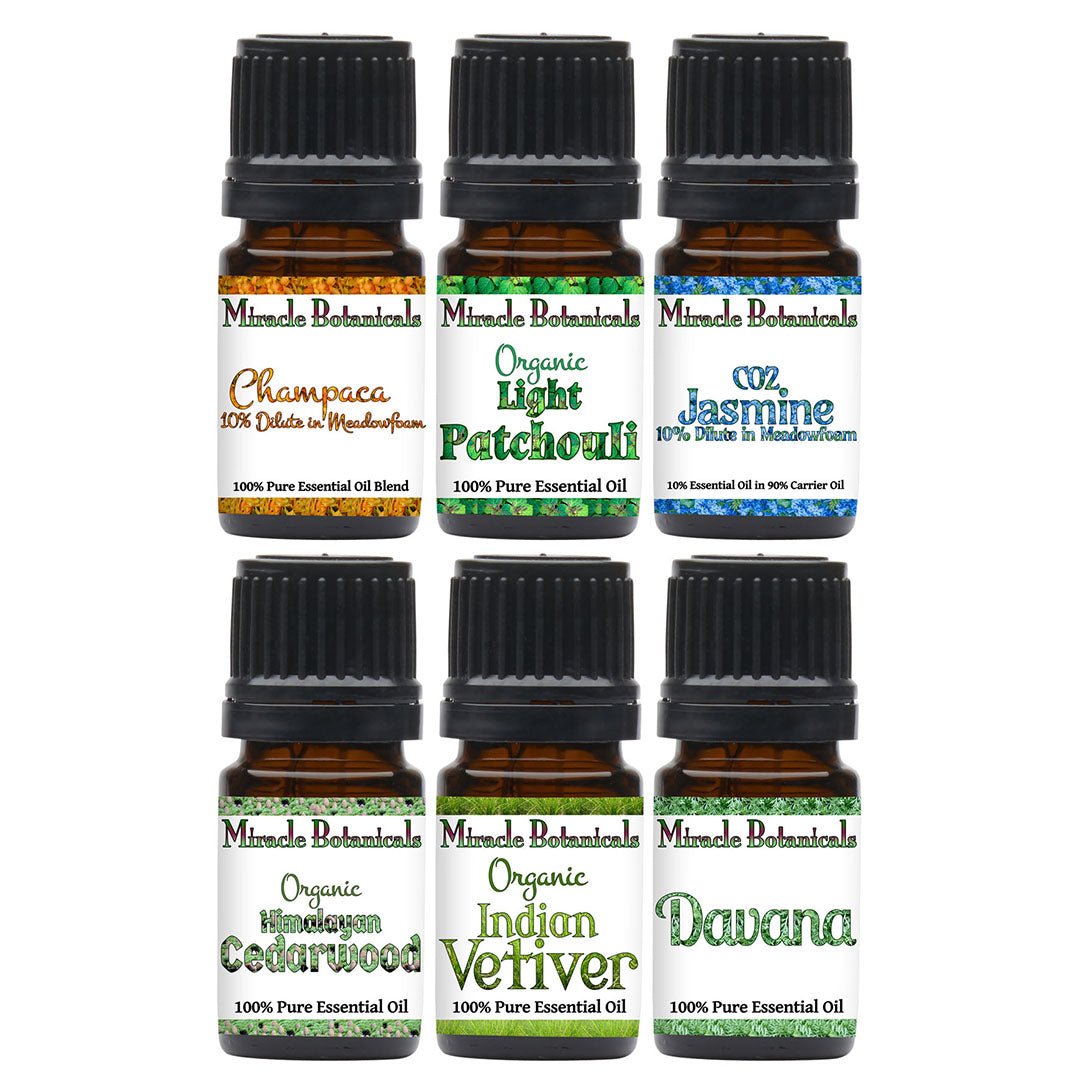
Choose first by how deep and long-lasting a scent you want, then by the part each oil plays in a blend. A little vetiver or patchouli goes a long way, while a bright oil like neroli lifts the others. Reach for a single oil when you want to build your own accord. A finished blend such as King and Queen gives you one already composed, and a sampler set is the way to try several first. Jasmine and champaca are the exception, pre-mixed to 10% in a meadowfoam carrier. We use them ourselves too, and each is third-party tested and never adulterated with synthetics.
Diluting these oils, and the ones to handle with more care
Every oil in this collection needs diluting in a carrier before use, never neat, and a patch test comes first. Most blends fall between 1% and 5%. A few of the warm oils ask for more care, since cinnamon bark, bay rum and Peru balsam can sensitize, so keep them well diluted. Cinnamon bark, along with bay rum, is best kept from the bath. Anyone pregnant or on medication should check with a doctor or qualified practitioner first. None of these oils is meant for internal use.
Frequently asked questions
Why do these oils sit at such different weights?
The four aroma groups sit at different weights. Woods and roots form the base, deepest and driest. The resins turn sweet and balsamic, the florals rich and heady, and the spices warm with a little bite. That range is why the collection reads as one warm accord while still offering different starting points.
What is oud, or agarwood, and why is it so prized?
Oud, also called agarwood, is the dark resinous oil of the Aquilaria tree, with a musty, complex, deep-woody aroma unlike anything else. It forms only after the wood is infected, in roughly seven of a hundred wild trees, so it is genuinely rare. All Aquilaria species are protected under CITES, and true oud is among the most prized and most imitated woods in perfumery. In a blend it runs deep and lingers a long time.
Where should you begin, with a single oil or one of the blends in this collection?
Whether to start from scratch or from a ready blend turns on how much you want to compose yourself. Building an accord from single oils gives you the most control, while a ready blend needs no work from you. If these deep aromas are new to you, a set is an easy way in. The rich florals reward a light hand.
Which of these essential oils hold their scent the longest in a blend?
Deep woods, roots and resins last the longest. Sandalwood, oud, vetiver and patchouli are the slowest to fade, with frankincense and myrrh among the longer lasting. That staying power is why they have long been central to perfumery.
Do cinnamon bark and the warm spice oils need extra care before use?
Yes, a handful of these oils need extra care. Bay rum, Peru balsam and cinnamon bark are dermal sensitizers, so they belong in low dilutions. Bay rum and cinnamon bark are also better left out of a bath. Always thin them into a carrier and never apply them neat, as with every oil here.
How were these essential oils traditionally used in perfumery and incense?
These oils have a long history in both perfumery and incense. Frankincense and myrrh were long burned as incense in ritual and religious settings. Rose, jasmine, sandalwood and oud have long stood at the heart of perfumery. Cinnamon, vanilla and the sweet resins carry that same warmth into blends today.
How should you use these oils if you are pregnant?
Ask a doctor or a suitable practitioner before using any of these oils in pregnancy. Some are traditionally avoided at that time, so professional advice comes first. Dilute anything you do use into a carrier, and keep the warm oils like cinnamon bark well diluted. None of them should be taken by mouth.