Which chamomile oil is which
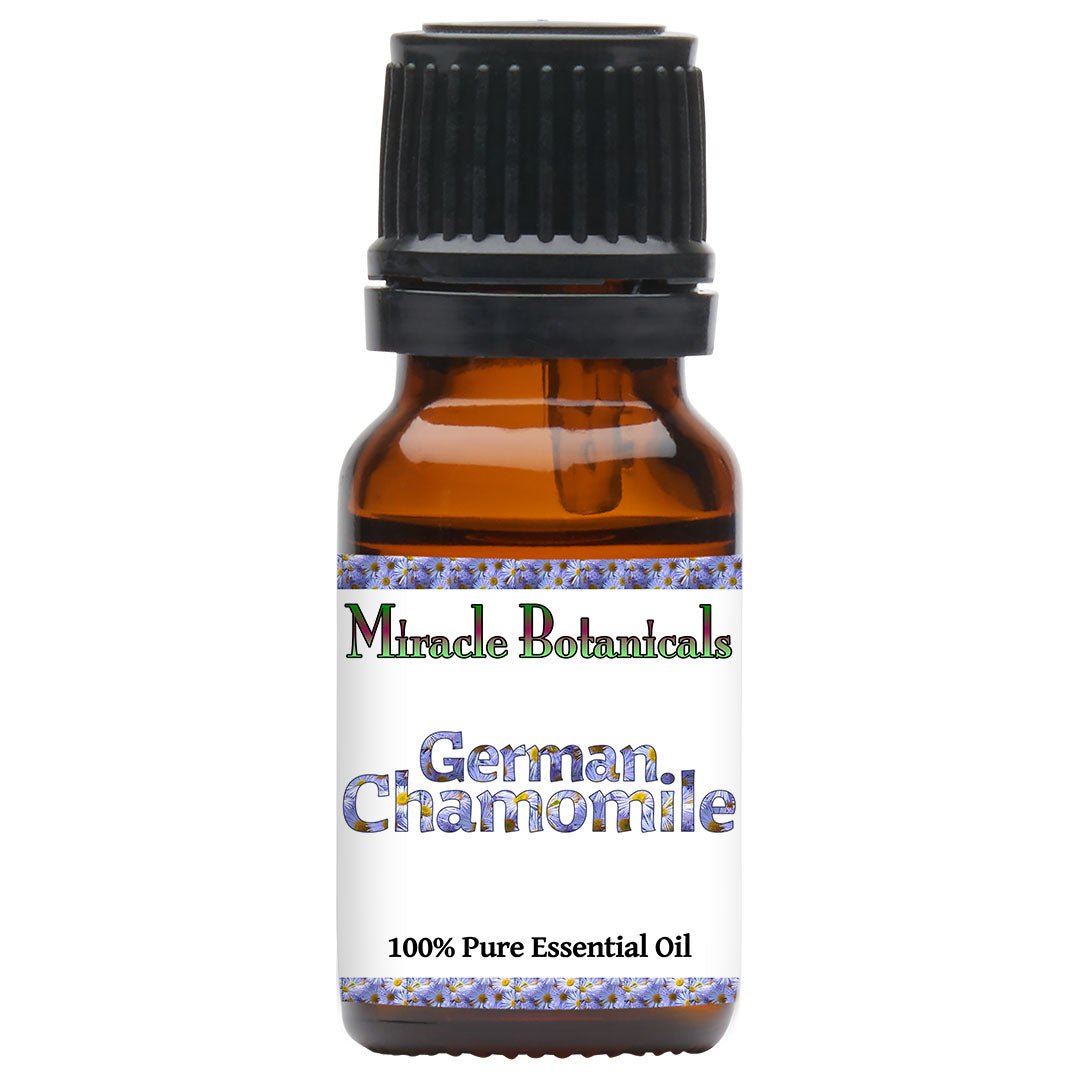
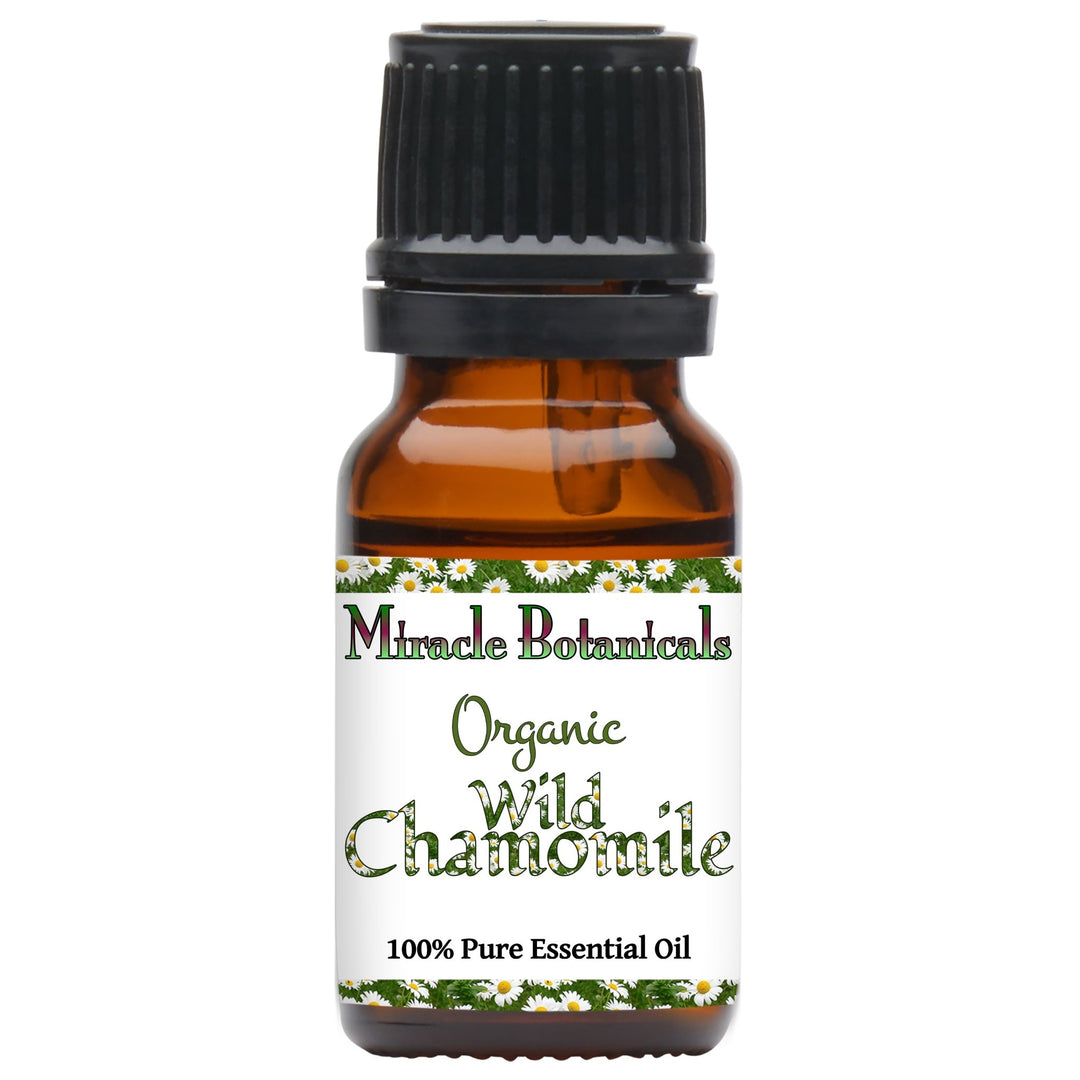
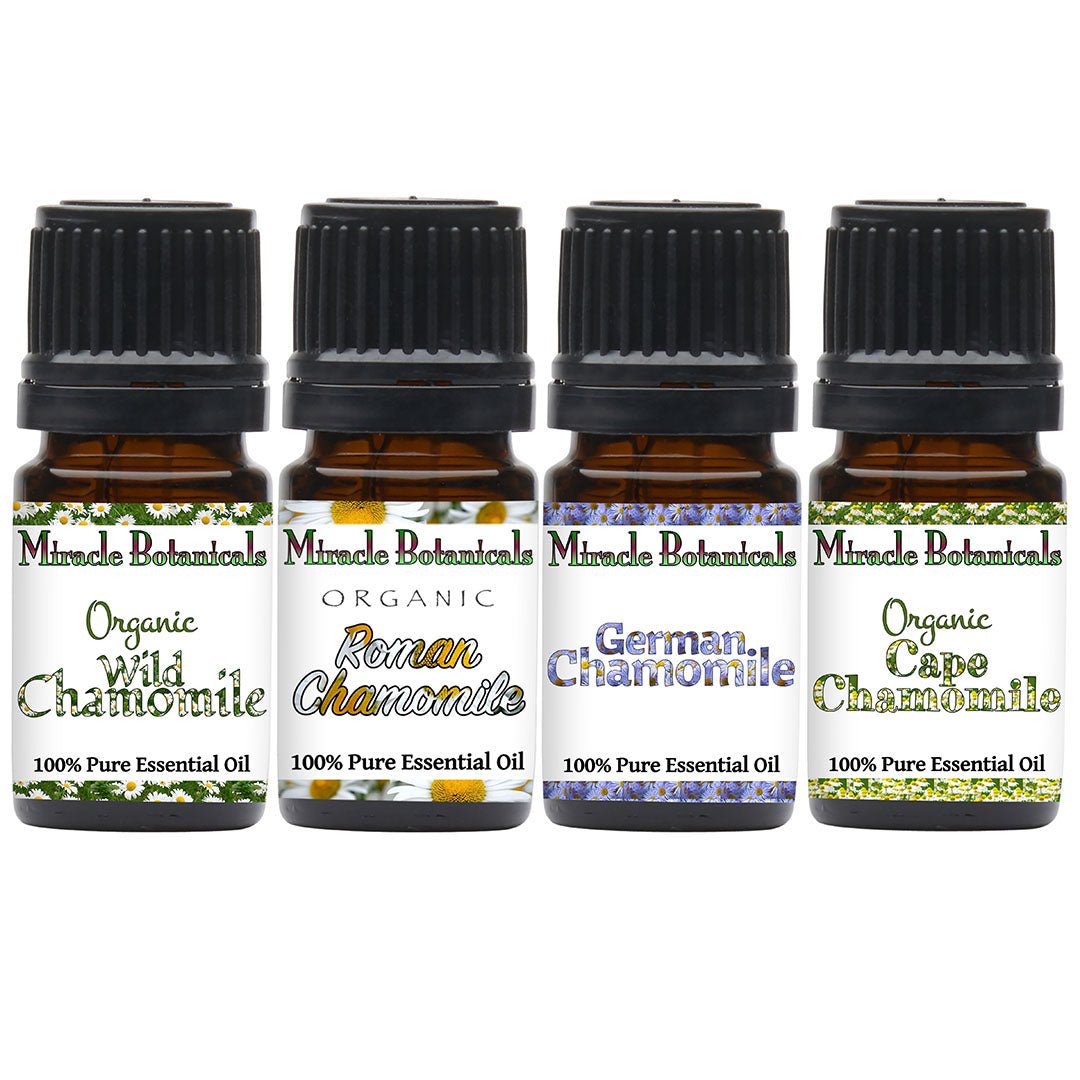
Aroma is the easiest way to tell the chamomiles apart. Roman chamomile (Anthemis nobilis) pours pale and smells softly sweet and apple-like, the gentle one to begin with. German chamomile (Matricaria chamomilla) runs deeper and more herbaceous, a common choice for skincare blends. Cape chamomile carries the chamomile name too, as does wild chamomile, but both stand apart as daisy-family cousins rather than true chamomiles, soft and sweetly herbaceous.
Choosing comes down to the scent you're after. For the familiar, gentle chamomile, Roman is the simple pick. For a deeper, stronger oil used in skincare work, German chamomile is the choice. For something rarer, the Cape or the wild chamomile suits a collector or a perfumer.
Using chamomile oils safely
Chamomile essential oils are thinned into a carrier before any topical use, never used neat. Because every chamomile here is a daisy-family plant, anyone with known allergies or sensitivities is wise to patch test a small, diluted amount first. That habit covers the whole group.
During pregnancy, or for young children, talk with a doctor or a qualified aromatherapist before using any essential oil, chamomile included, and store the bottles where children can't reach them.
Blue chamomile, the sets and the sampler
The deep blue of German chamomile isn't in the flowers at all. It forms during steam distillation, when a compound called chamazulene develops and turns the oil a blue-violet color. A CO2-extracted German chamomile skips that step, so it doesn't turn blue and smells closer to the fresh flower.
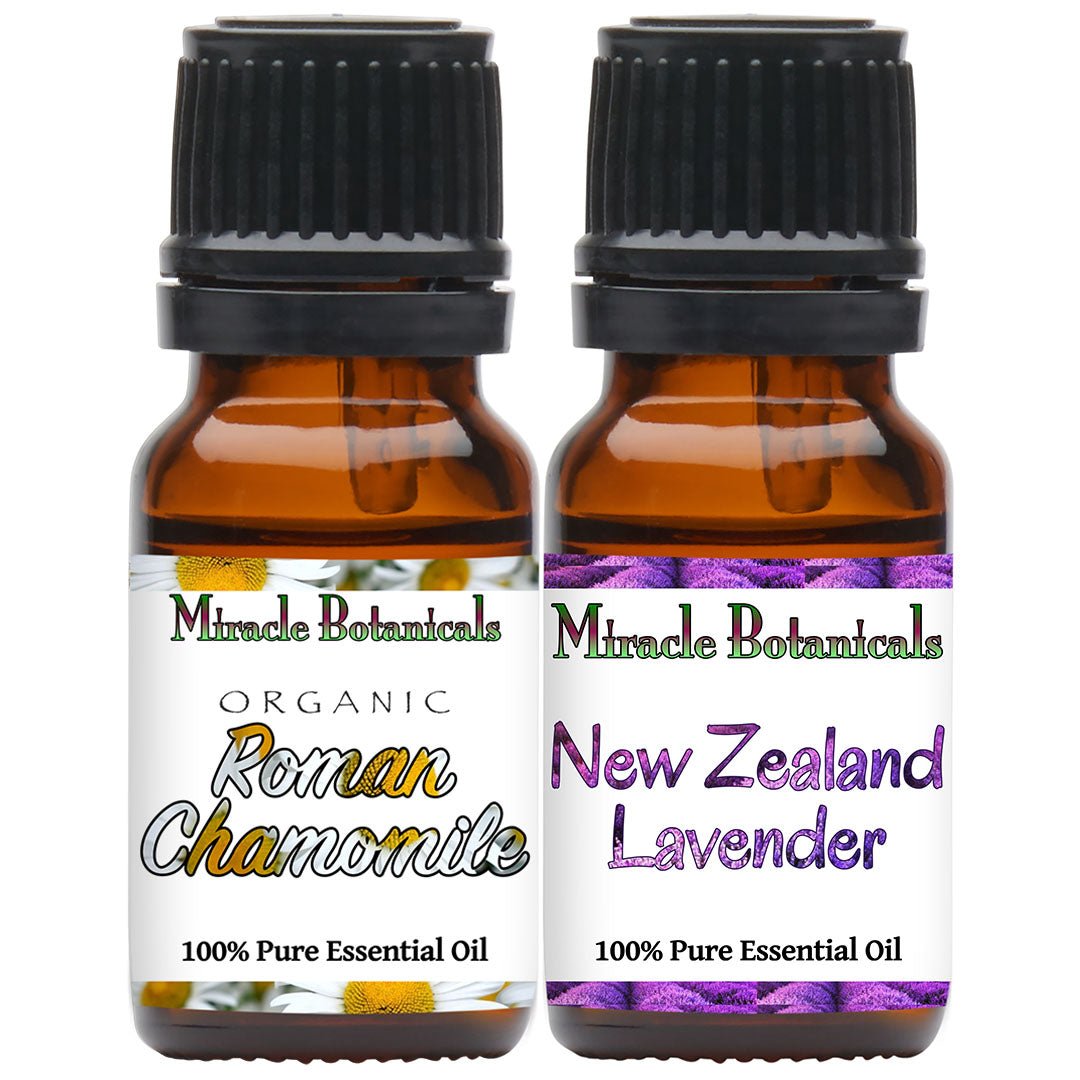
The range comes in a few forms. A single oil can stand alone or go into a blend of your own. A sampler lines up several chamomile species side by side, a chamomile-and-lavender set arrives ready to use, and a blend of Roman chamomile with sage comes already mixed. Whichever you pick, the oils we bottle are third-party tested and carry no synthetics.
Frequently asked questions
How do Roman and German chamomile essential oils differ?
Roman chamomile is pale and smells sweet and apple-like, while German or blue chamomile is deep blue and more herbaceous. The blue color comes from chamazulene, a compound that forms when German chamomile is steam-distilled. Roman is the gentler, sweeter-smelling one.
Why is blue chamomile essential oil blue?
Blue chamomile, which is German chamomile, is blue because it contains chamazulene, a blue-violet compound. Chamazulene isn't present in the living flower, and develops only when the blossoms are steam-distilled. That also explains why the CO2 version doesn't turn blue, since the color appears only through distillation.
Are Cape chamomile and wild chamomile true chamomiles?
No, neither Cape chamomile nor wild chamomile is a true chamomile. They only borrow the name. Cape chamomile is Eriocephalus punctulatus, a South African species, and wild chamomile is Ormenis mixta, the Moroccan one. Both are daisy-family plants, named for their likeness to true chamomile rather than for being it.
How is CO2 blue chamomile different from the steam-distilled oil?
CO2-extracted blue chamomile and steam-distilled German chamomile are the same plant, made in different ways. The steam-distilled oil is deep blue, because distillation is what forms the chamazulene, while the CO2 version never turns blue and smells nearer the fresh flower. Neither is better than the other, just the same chamomile made in two different ways.
Do you have to dilute chamomile essential oil before putting it on skin?
Yes, chamomile essential oils are diluted in a carrier before they reach skin, and used only that way, not neat. Because these come from daisy-family plants, a quick patch test with the diluted oil is a sensible precaution against a reaction.
Is chamomile essential oil safe to use during pregnancy?
No, hold off on chamomile oils in pregnancy without advice from a doctor or an experienced aromatherapist, since pregnancy is a time to seek professional guidance first. Some references list Roman and German chamomile among lower-risk oils when they are well diluted, while the Cape and wild namesakes are less established. Even then, no oil here is cleared for use in pregnancy without that guidance.
Which chamomile oil smells sweetest and most apple-like?
Roman chamomile smells the sweetest and most apple-like of the group, soft and warm. German chamomile is stronger and more herbaceous, while the Cape and wild chamomiles are soft and gently different again. For the gentlest, sweetest scent, pick Roman chamomile.