
CO2 Spice Essential Oil Sampler Set
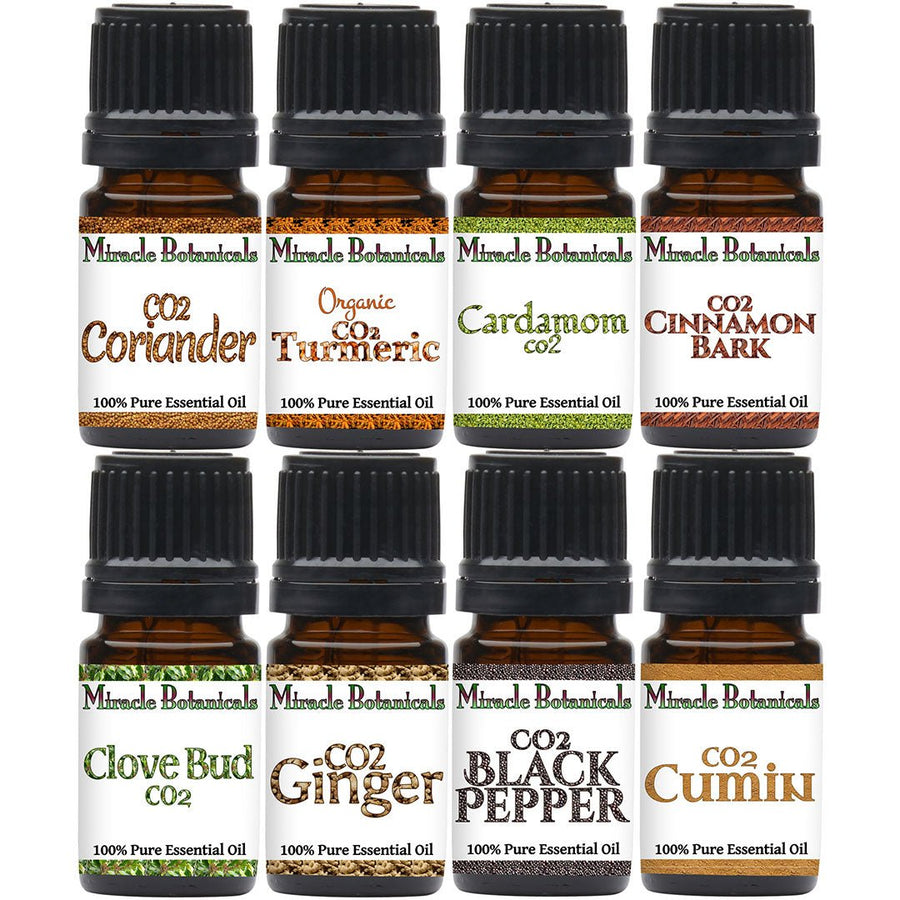
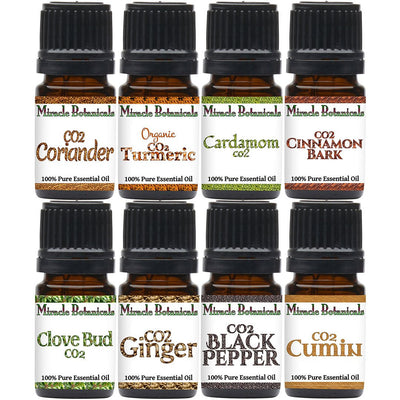
- Seven spice oils, all CO2 extracted. A sampler set of seven kitchen and baking spices, all CO2 total extracts, from four plant families.
- A CO2 total extract of each spice. Pressurized carbon dioxide, not heat, pulls the oil from the spice, so it stays close to the plant itself.
- Seven spices, each named. Ginger, turmeric, cumin, coriander, cardamom, clove bud and cinnamon bark, each a single-spice CO2 oil.
- A connoisseur spice range in one set. The hard-to-find spice oils we keep for aromatherapy and perfumery, brought together so you can meet all seven at once.
- Third-party tested, small artisan batches. Produced by growers who take small harvests, made in small artisan batches, and tested by an outside lab for synthetics, pesticides and adulteration. Like everything we sell, we use these oils ourselves.
- Seven spices to try before a full size. A way to meet all seven CO2 spice oils, then choose which full-size bottles to keep.

Product specification
Our quality promise
Seven warming spices, caught by CO2 extraction
6 benefits of CO2 Spice
Ginger, a deep and earthy root oil
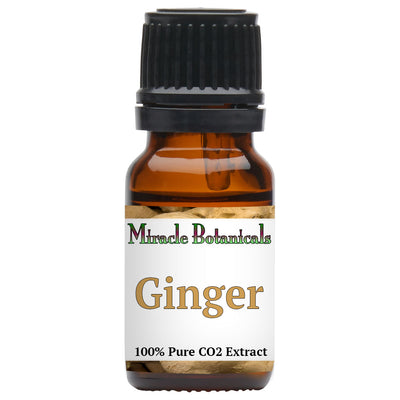
Ginger CO2, from Zingiber Officinalis grown in Nigeria, is a dark red-brown oil that smells woody and deep, with an earthy undertone. It reads like the root itself rather than a dried, powdery spice. In a diffuser it sits low beneath the brighter oils in the set.
Turmeric, a bright rhizome oil that stains
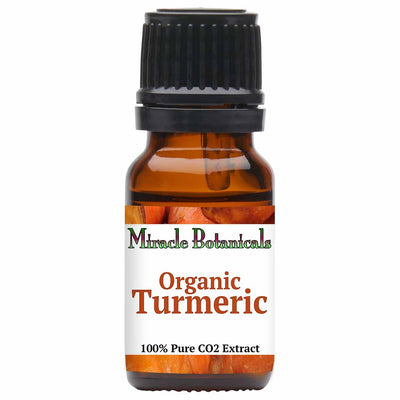
Turmeric CO2, from Curcuma Longa grown in Vietnam, is a yellow-orange oil, fresh, spicy and a little woody. It's also a dye, so it stains skin, cloth and pale surfaces, and the diffuser wants a wipe afterward. Curcuma Longa was once called Indian saffron for that same color.
Cumin and coriander, the two seed spices
Cumin CO2 and coriander CO2 are the set's two seed spices, both in the carrot family, Apiaceae. Cumin, from Cuminum Cyminum grown in India, is a dark greenish-brown oil, pungent and musky with an anise edge. Coriander, from Coriandrum Sativum grown in Poland, is a brown-orange oil, sweet and slightly fruity. A little of either goes a long way in a blend.
Cardamom, warm and balsamic
Cardamom CO2, from Elettaria Cardamomum grown in India, is a pale yellow oil, warm and spicy with a balsamic sweetness. It sits in the ginger family with ginger and turmeric, though it smells rounder and softer than either. Cardamom is one of the oldest oils in perfumery.
Clove bud, warm spice with a candy edge
Clove bud CO2, from Eugenia Caryophyllata grown in Madagascar, is a clear pale-yellow oil, warm and spicy with pepper and a candy-like sweetness. It comes from the flower buds of a myrtle-family tree, Syzygium aromaticum. Clove is one of the two strong oils here on skin, so a little goes a long way in a blend.
Cinnamon bark, true Ceylon cinnamon
Cinnamon bark CO2, from Cinnamomum Zeylanicum grown in Sri Lanka, is a golden yellow-orange oil, rich, warm, spicy and sweet. This is Ceylon, the true cinnamon, and it comes from the inner bark of a laurel-family tree. Like clove, it is one of the two strong oils here, so a little carries a whole blend.
How to use
Diffuser
In the airStart with 3 to 5 drops in a water diffuser for a medium room, then add a drop at a time until it smells right to you. Diffuse for 30 to 60 minutes, then give the room a break for the same time, with some fresh air moving. Turmeric is a dye, so wipe the diffuser afterward to keep it from staining.
Best kept to the diffuser
Two strong sensitizersCinnamon bark and clove are strong skin sensitizers, so we keep the set to the diffuser and do not recommend a leave-on skin blend for it. For any skin use, work with a qualified aromatherapist, keep the oils well diluted and patch tested, out of the bath, and away from the faces of infants and young children.
Aromatic oils, not food
Not for internal useThese are concentrated aromatic oils, not the kitchen spice, so do not take them for internal use. Cumin oil is also phototoxic, so if it ever reaches skin, keep the amount low and off skin that will see direct sun or UV that day. The other six are not phototoxic.
Frequently asked questions
7 answers drawn from the product specification and our own use of this oil.
Frequently bought together


You may also like