Base oils and the ready-made blends
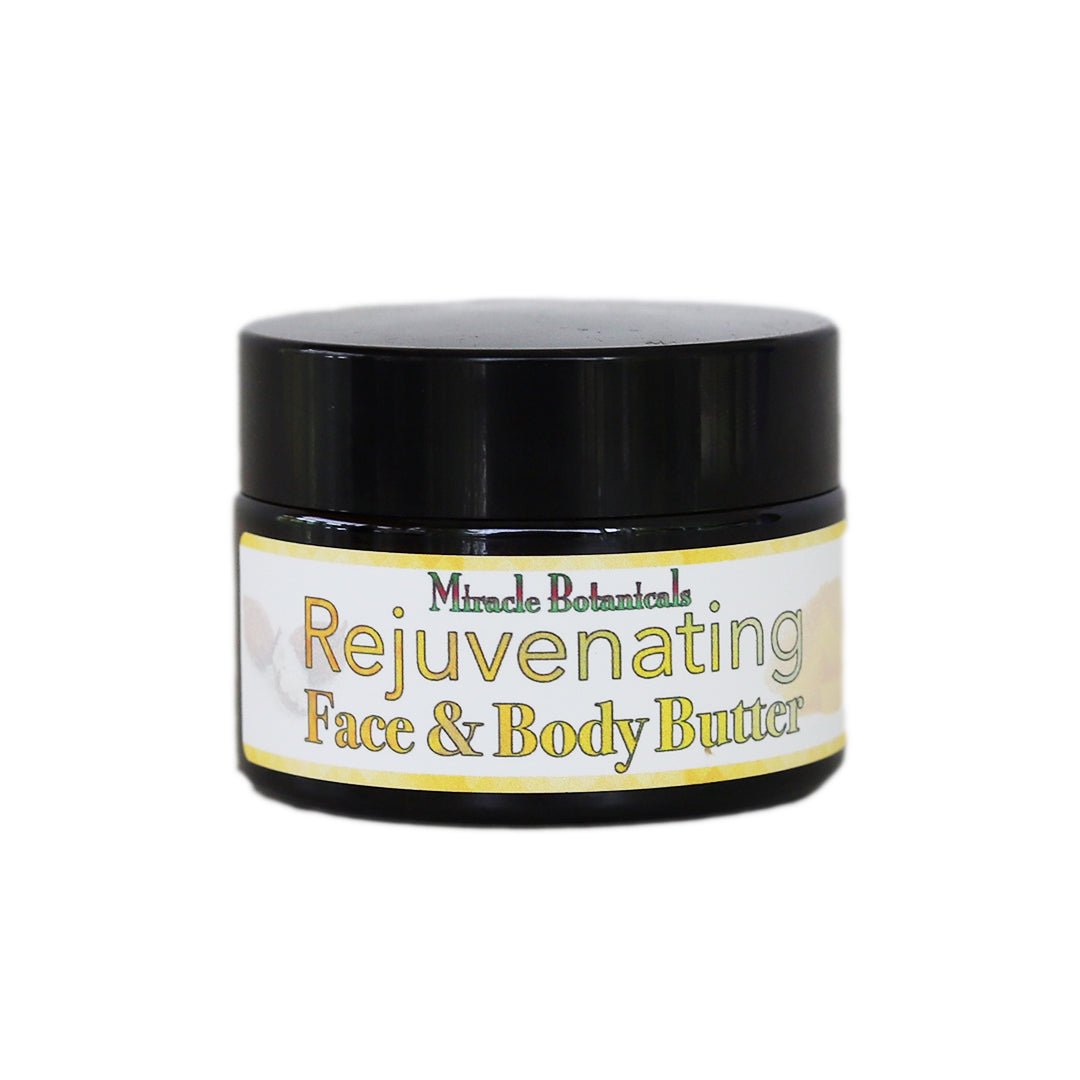
Rosehip seed, apricot kernel, macadamia, argan and tamanu are among the base oils here, the fixed, pressed vegetable oils that carry a concentrated essential oil and do not evaporate. They differ mostly in weight, some thin and light, others rich and heavy. Part of choosing one is the weight you want, a lighter one that soaks in or a richer one that stays and cushions. Alongside them sit the finished formats, blended and ready to use, among them the Rose Glimmer and Sun Glimmer face and body oils, a face and body butter, and resin-and-rose and resin-in-olive-oil infusions.
The essential oils, and why they go into a carrier first
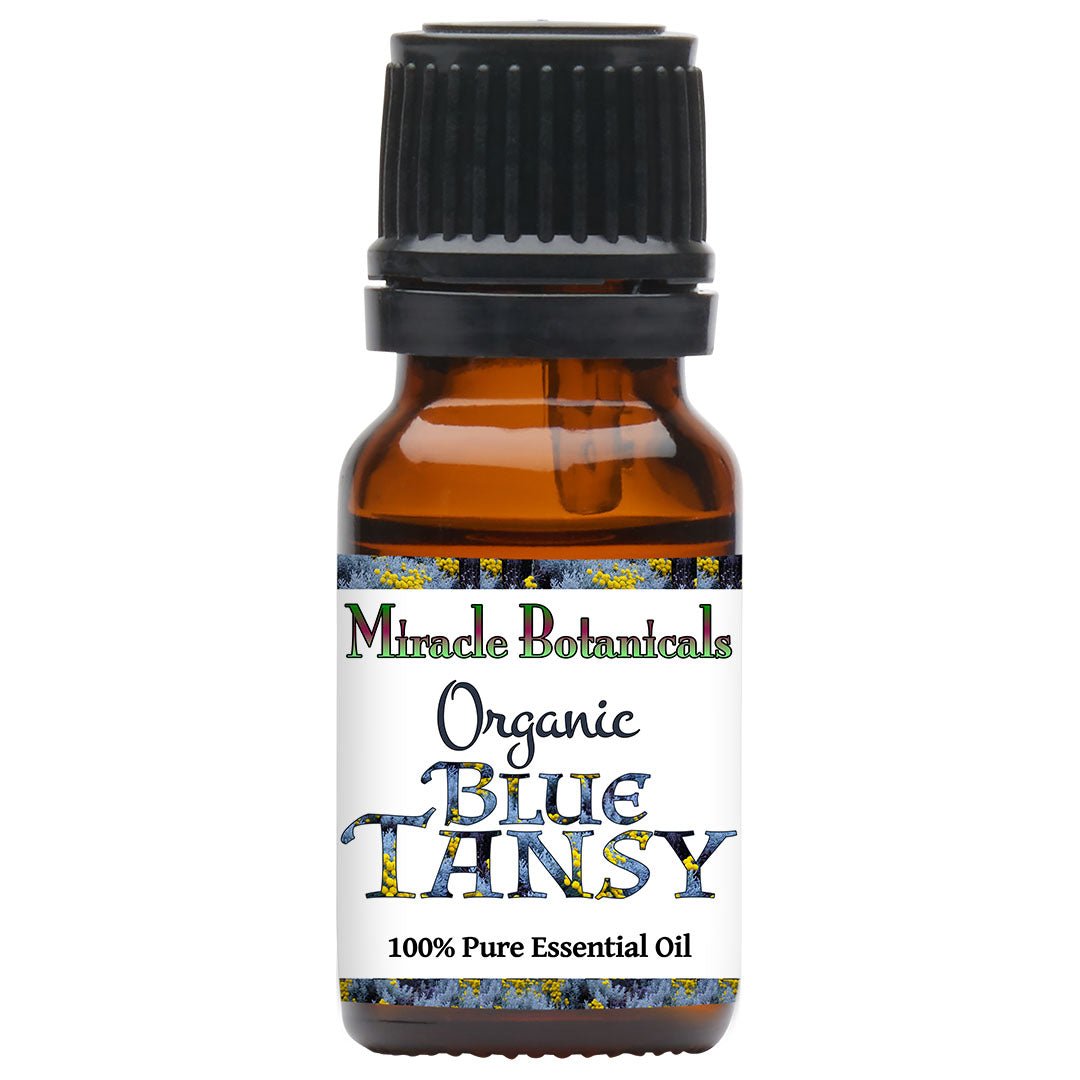
A concentrated essential oil is dropped into a base oil first, never worn undiluted. Neroli and rose otto are the florals, neroli an orange-blossom scent and rose otto strong but pleasant once diluted. Helichrysum is resinous and faintly bitter, blue tansy deep blue and apple-like, both herbaceous rather than floral; Hawaiian sandalwood is soft and creamy, spikenard earthy and heavy from the root. The caution here names its oils one at a time. Bitter orange peel, pressed from the rind, is phototoxic in sunlight, while neroli, distilled from the same tree's blossom, is not.
Hydrosols, the water-based form
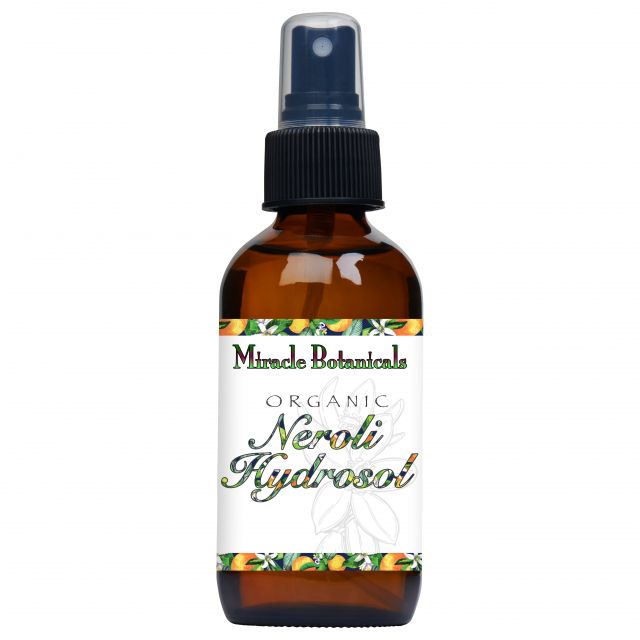
A hydrosol is the water left after an oil is distilled, a fraction of the oil's strength and the mildest way the plant shows up in a bottle. Rose, neroli and helichrysum come in this form, alongside comfrey, rosemary verbenone and peppermint, with frankincense and Hawaiian sandalwood offered the same way. We use these oils ourselves, made without synthetics and each one third-party tested.
Frequently asked questions
What is a carrier oil, and why is it used with an essential oil?
Argan, rosehip seed and apricot kernel are carrier oils, the fixed vegetable oils pressed from seeds and kernels. A carrier does not evaporate and holds little smell of its own, so it can dilute a concentrated essential oil and take it onto the body. The essential oil carries the fragrance; the carrier makes it safe to put on and easy to spread. Without one, most essential oils are too strong to go on directly.
How do the carrier oils here differ in weight?
Weight is mostly what separates one carrier base from the next here, the lighter ones soaking in quickly and the richer ones sitting longer on the face or body. Macadamia, castor, tamanu and argan sit among them, and no single one is the best choice. A lighter oil suits a face blend you want gone soon; a richer one gives a slower, more cushioning feel. Which one to choose is a matter of the feel you want.
Can essential oils be applied undiluted, or must they be diluted first?
No, an undiluted essential oil is too strong to go on the face or body, so a carrier oil softens and spreads it first. The carriers and the hydrosols are the formats mild enough to use on their own. A drop of rose otto or helichrysum in a base oil is enough, thinned right down and easy to put on. That is why the base oils sit beside the essential oils here.
Is neroli phototoxic, since it comes from the bitter orange tree?
No, neroli is not phototoxic, even though it comes from the bitter orange tree. Neroli comes off the blossom by distillation, which strips out the furanocoumarins a pressed peel would keep, the compounds that react in sunlight. The expressed peel of the same tree, bitter orange, is the phototoxic one. So the flower oil is clear for daytime use while the pressed peel is not.
What is a hydrosol, and why is it gentler than the essential oil it comes from?
Rose and neroli hydrosols are what remains of the water once the flower is distilled, carrying only a trace of the oil. That makes a hydrosol far weaker than the essential oil it came from, and mild enough to use straight, with no carrier needed. Helichrysum, frankincense and peppermint are among the others offered here in this water-based form. Of the three formats, it is the lightest touch.
Do carrier oils go rancid, and how should they be stored?
Yes, carrier oils are fixed vegetable oils, and like any food oil they can turn rancid over time. Keep argan, rosehip seed and the richer bases somewhere cool, out of bright light, and tightly capped. Heat and air turn an oil, so a smaller bottle used while fresh beats a large one left to stand. A rancid oil smells flat or sharp and is best replaced.
How do the ready-made facial and body oils differ from the single essential oils here?
Ready-made oils, the resin-and-rose infusions and the body butter come already mixed into a carrier and ready to put on. A single essential oil, by contrast, is the pure concentrate and has to go into a carrier before use. So the finished blends save you the mixing, while the single oils are yours to blend as you like. Which you choose depends on whether you want it done for you or would rather do it yourself.