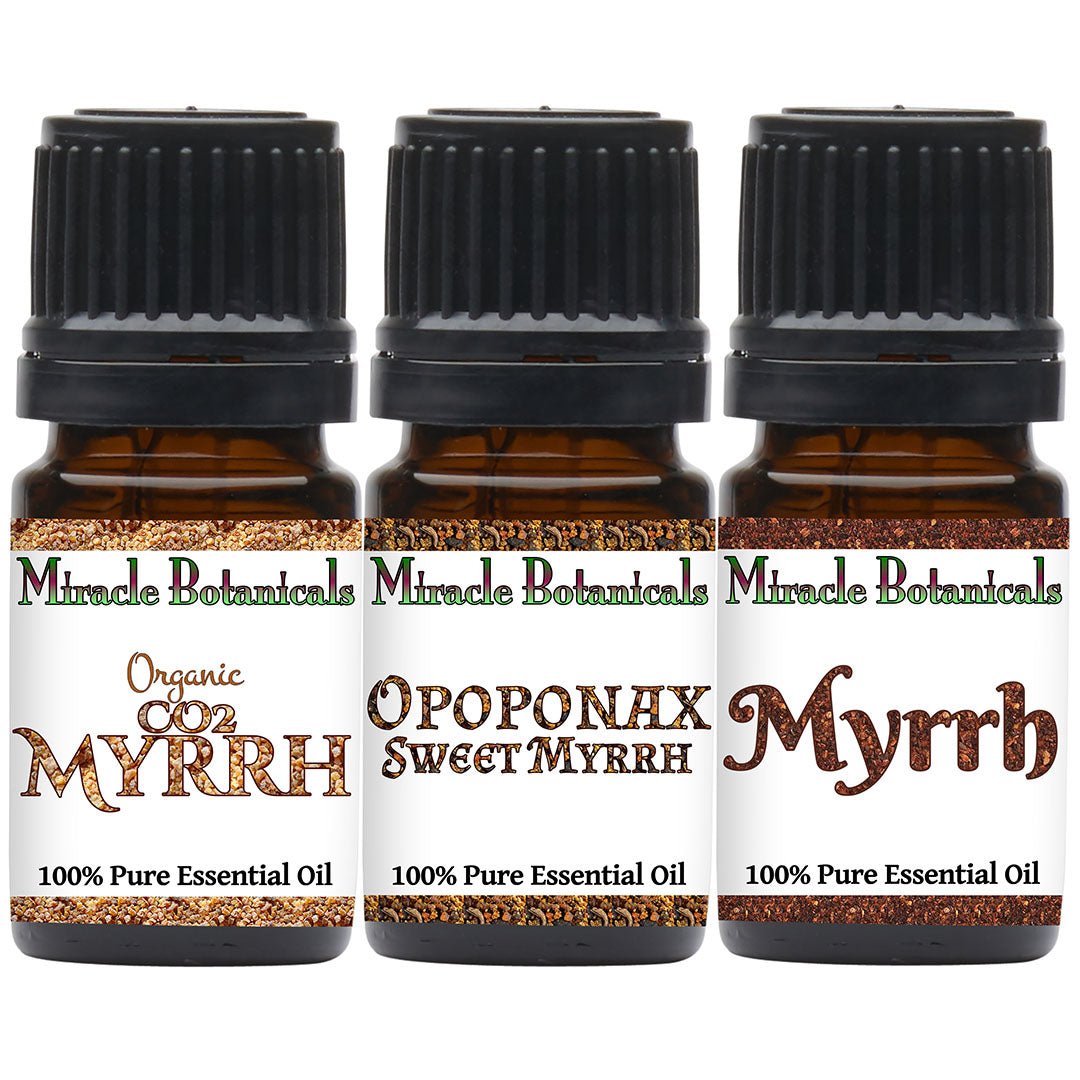
The forms myrrh comes in
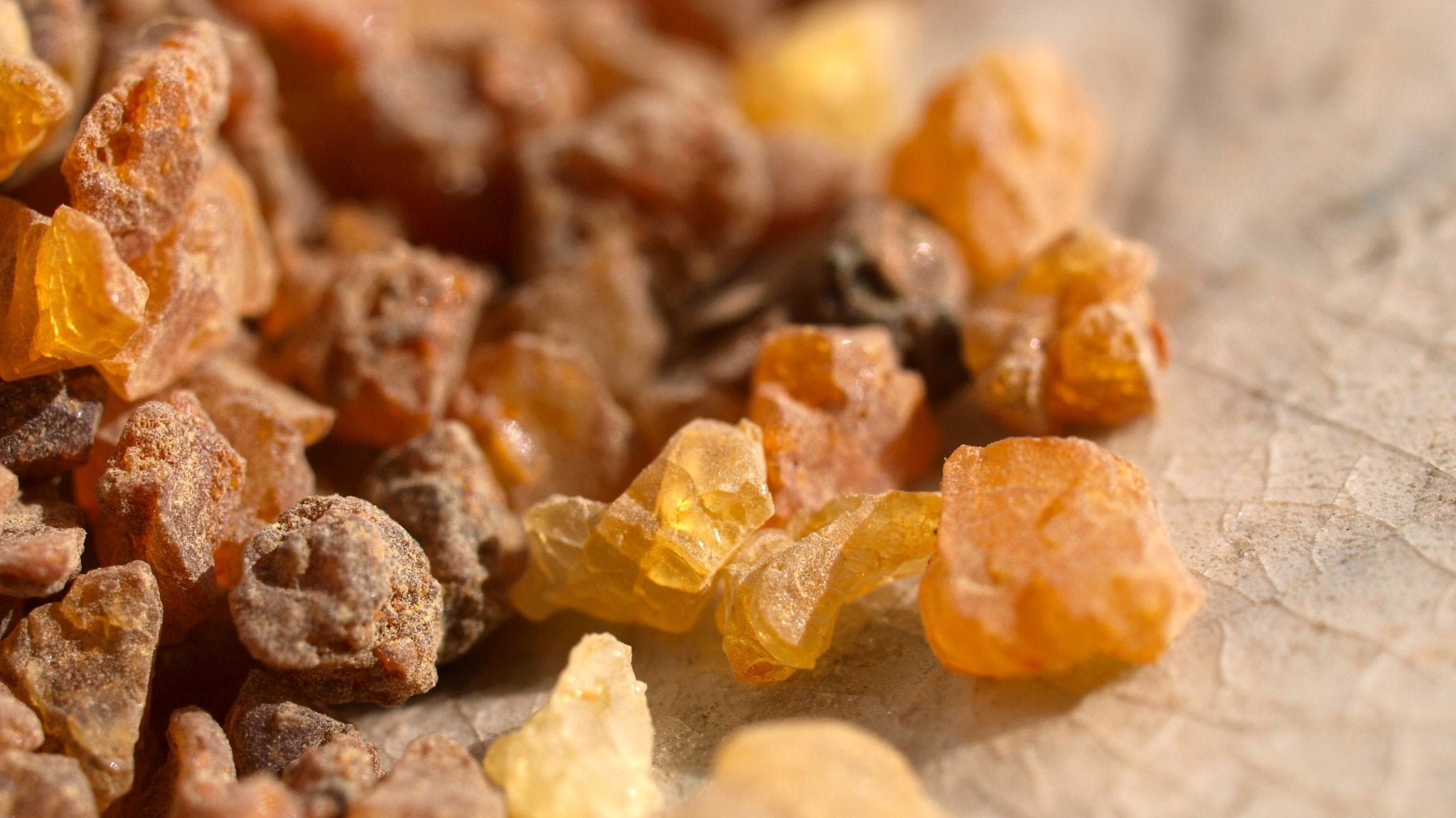
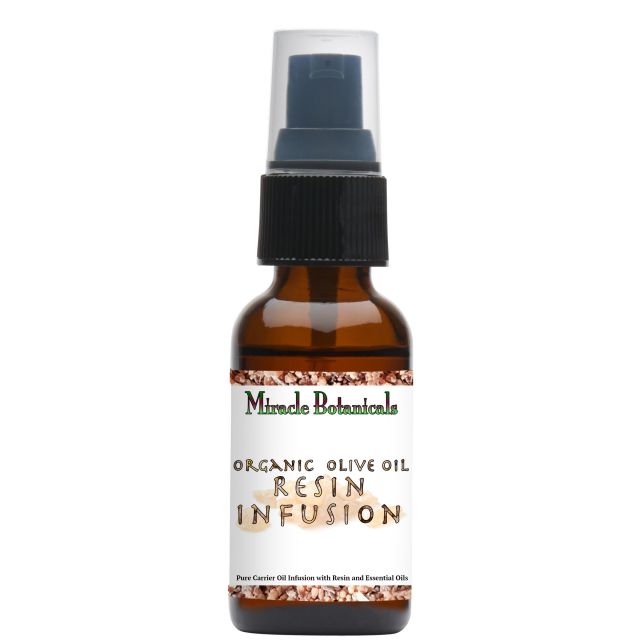
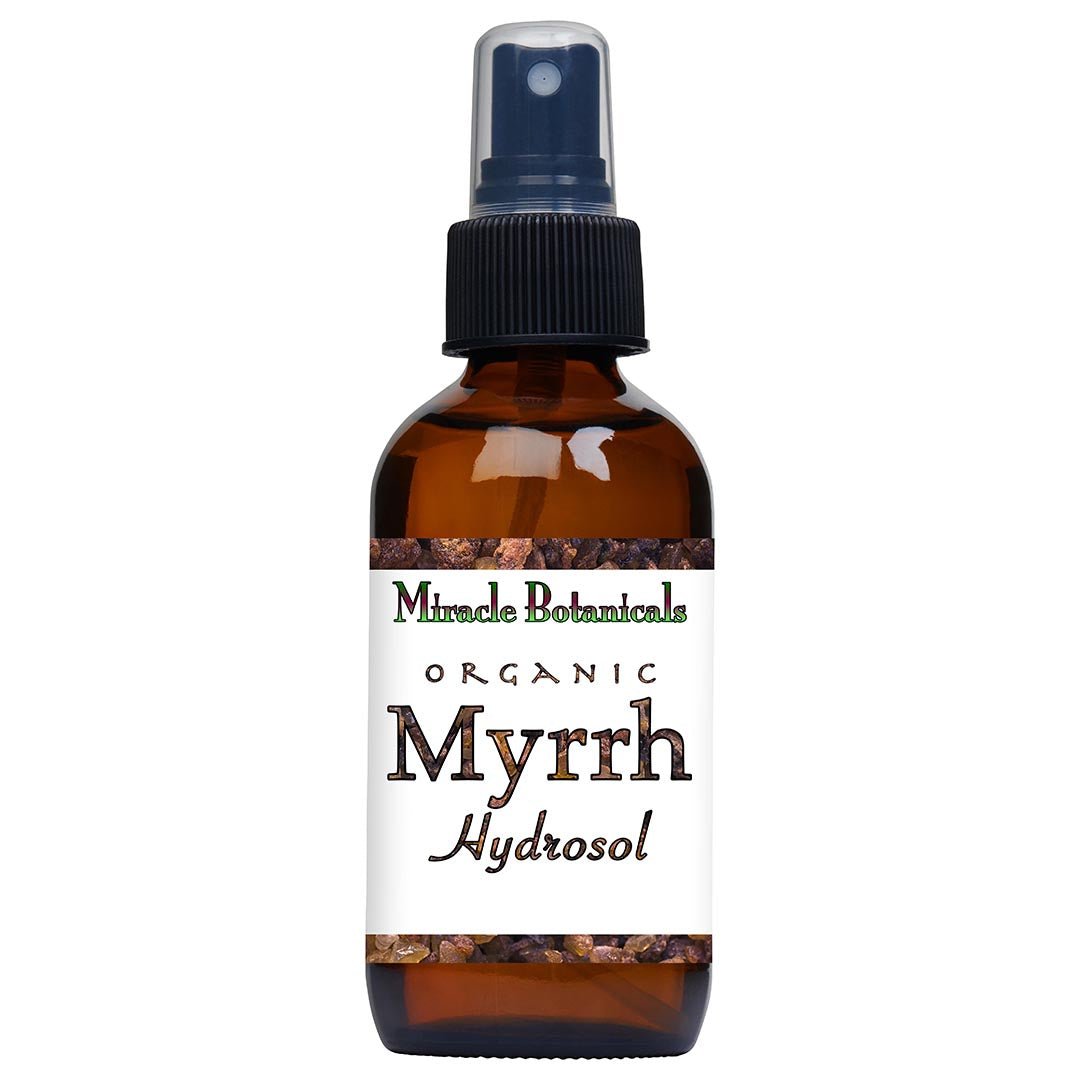
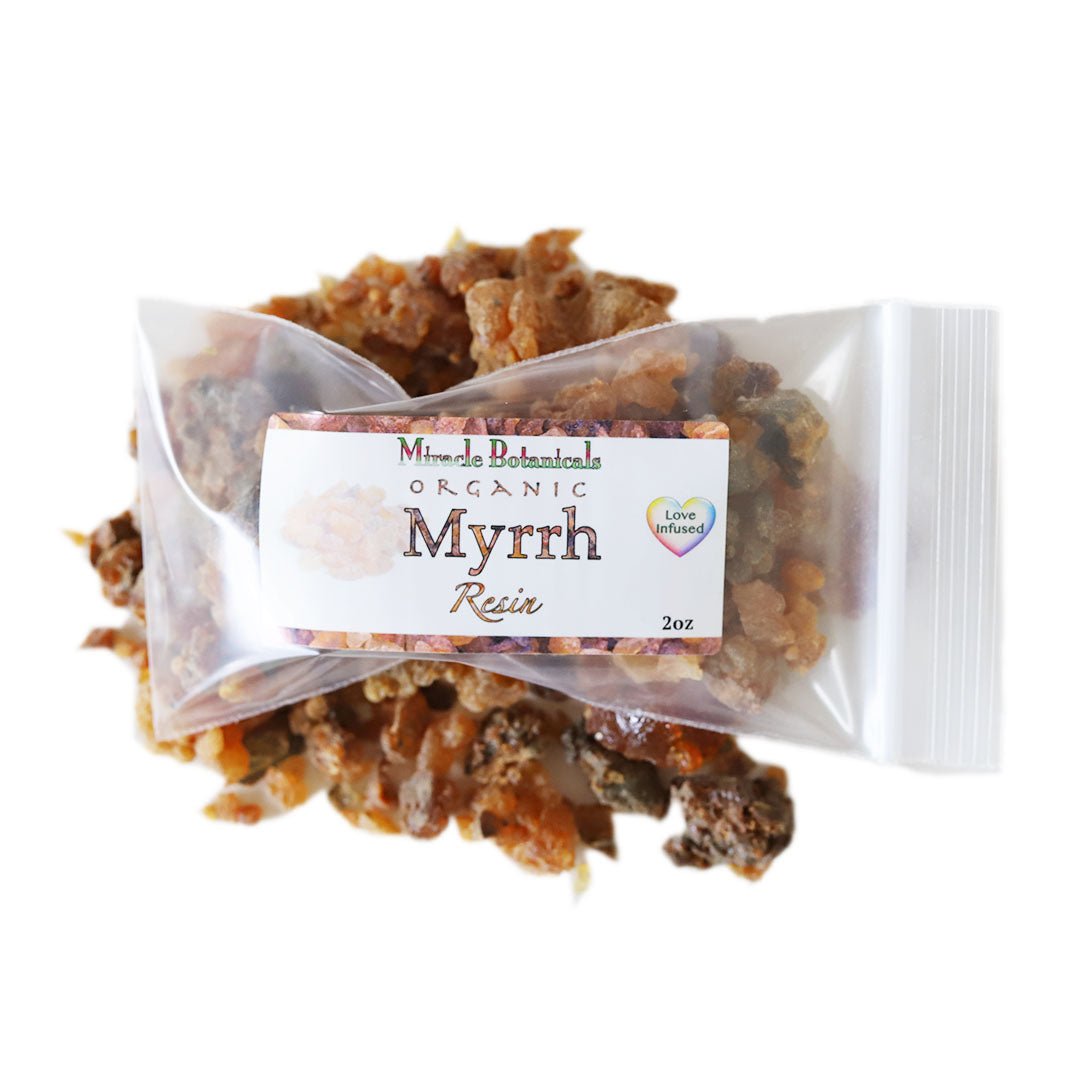
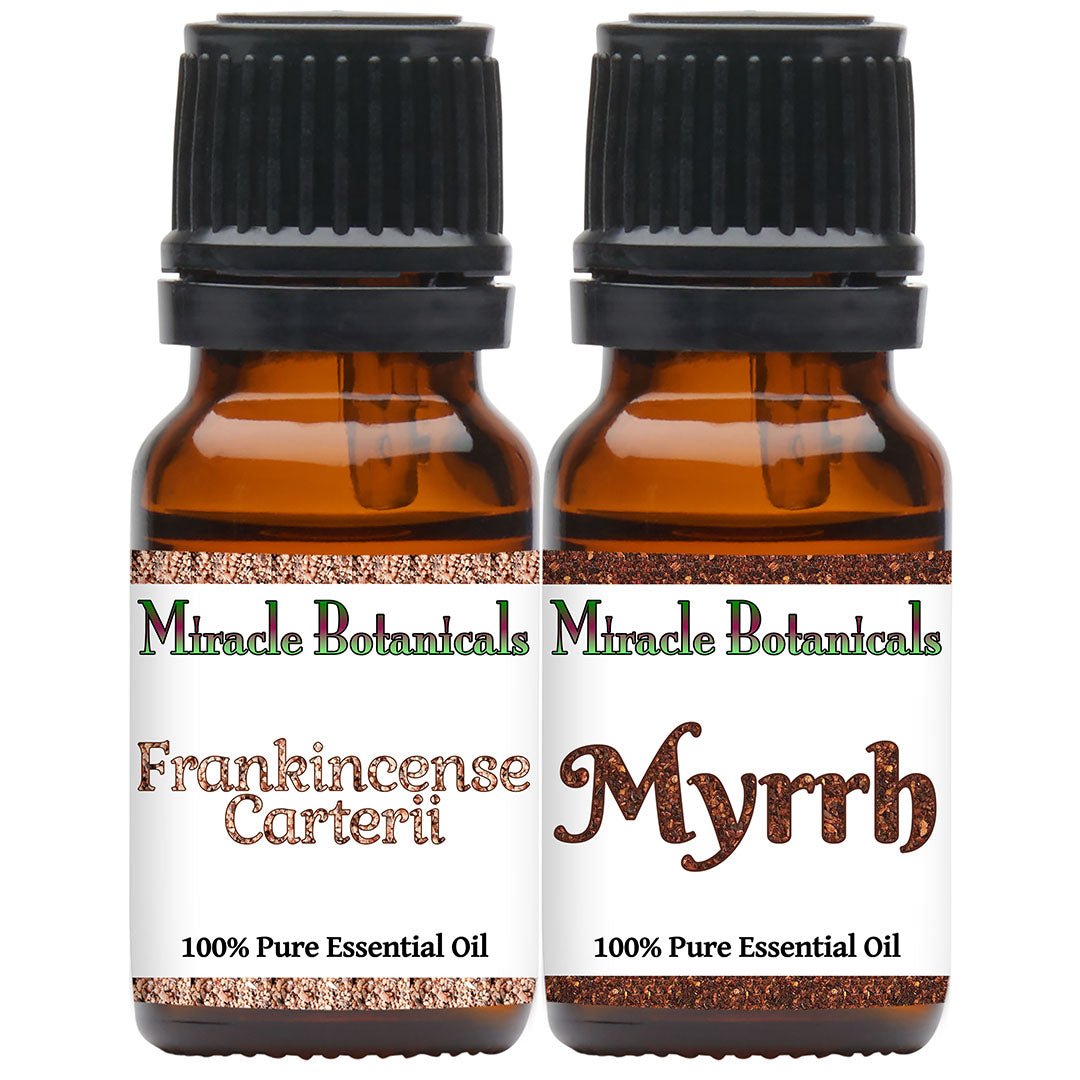
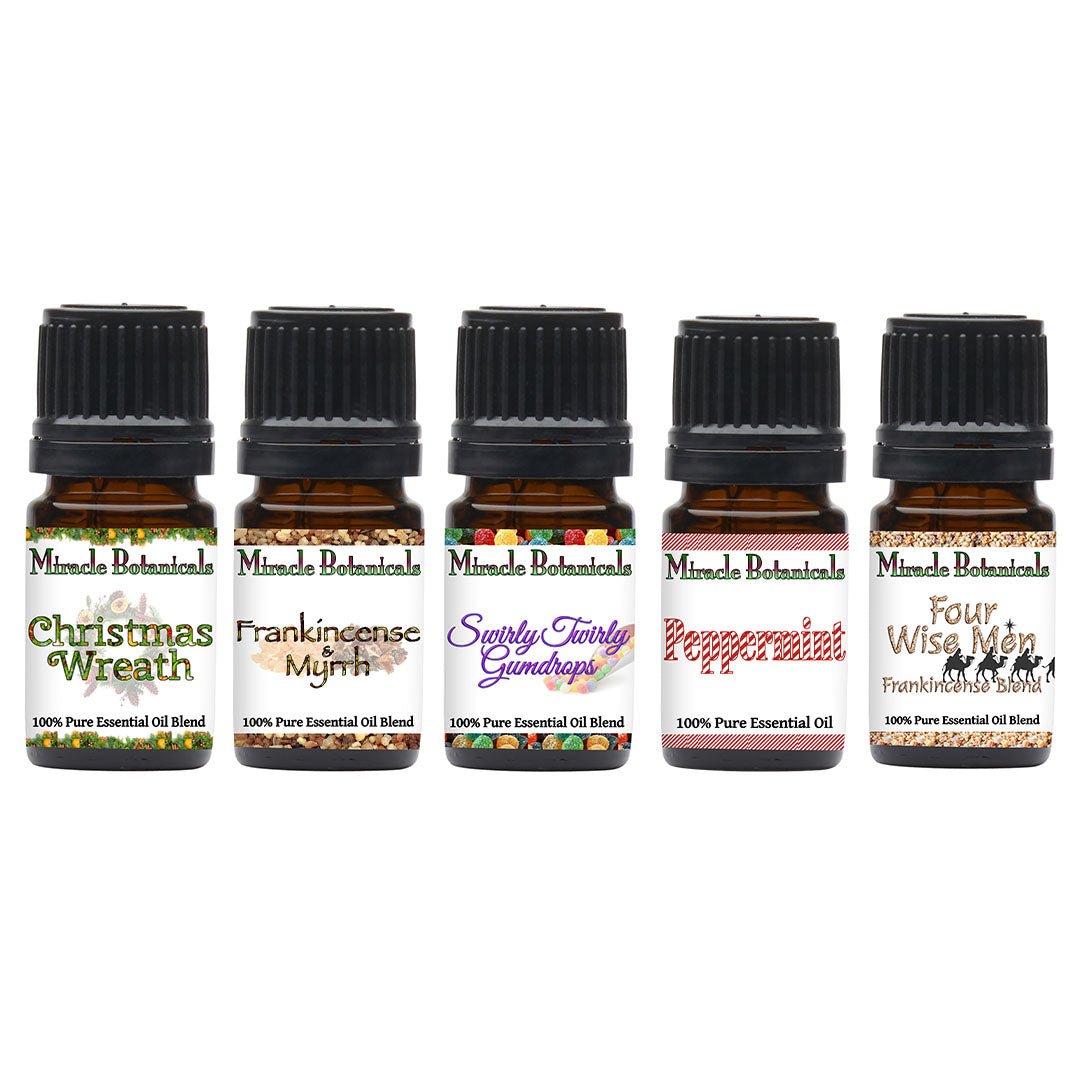
Myrrh comes in several forms, and they're not interchangeable. Raw resin is the hardened gum the tree gives up when its bark is cut, burned as incense and the base for the rest. Myrrh essential oil is drawn from that resin, classically by steam distillation; the CO2 extract is made without heat, closer to the raw resin. Myrrh hydrosol is the fragrant water that comes off with the oil, lighter and water-based. Resin-infused oils steep frankincense and myrrh resins in oil, already carried. Blends and samplers set myrrh beside other oils. The oils are third-party tested, free of synthetics and bottled by hand, whether plain oil or opoponax.
Common myrrh, sweet myrrh, and blending
Common and sweet myrrh are two different species; the difference shows first in the scent. Common myrrh, the true myrrh, is Commiphora myrrha, resinous, balsamic and slightly bitter with a medicinal edge; its name traces to a Semitic root meaning bitter. Sweet myrrh, the opoponax, is Commiphora erythraea, a separate species, sweeter, softer and honeyed, closer to a perfume. For the classic resin scent reach for common myrrh, and for a rounder, sweeter one, opoponax. Myrrh also earns its place as a fixative, holding the lighter, quicker oils on longer. It pairs with frankincense and rose. Frankincense and myrrh share the Burseraceae family and were long carried together in incense and trade.
Using myrrh oils, and the opoponax caution
Myrrh essential oils need a carrier oil before they touch skin and are never applied neat, while the resin-infused oils are already carried and ready. The one caution is that the two myrrhs behave differently in sunlight. Opoponax, the sweet myrrh, can be phototoxic and is a moderate skin sensitizer, so it needs heavier dilution and should stay off skin in daylight. Common myrrh, Commiphora myrrha, is not phototoxic, so that caution is opoponax's alone. Myrrh essential oil is best set aside during pregnancy and nursing, with a practitioner's guidance first. Kept out of heat and light, thick myrrh oils and resins are slow to age.
Frequently asked questions
How do myrrh resin, myrrh oil and myrrh hydrosol differ?
Myrrh resin, oil and hydrosol are three stages of one material. The resin is the solid gum-resin that dries from cuts in the bark, the source the oil is taken from and the form long burned as incense. The oil is the concentrated aromatic taken off that resin, usually by steam distillation, and it's offered here alongside a CO2 extract. The hydrosol is the scented water that condenses with the oil, milder and water-based.
How do common myrrh and sweet myrrh (opoponax) differ?
Common myrrh and opoponax differ by species and scent. Common myrrh, sometimes called true myrrh, carries the botanical name Commiphora myrrha, warm and resinous with a slightly bitter edge. Sweet myrrh, also called opoponax, is the species Commiphora erythraea, the softer and more honeyed of the two. They share the genus Commiphora but are not the same plant.
Which oils blend well with myrrh?
Myrrh blends well with frankincense and with rose, and as a fixative it helps the quicker oils in a mix hold on longer. Those are old pairings, at home in incense and in natural perfume. Because myrrh keeps its scent well, a little of it goes a long way in a blend.
Why are frankincense and myrrh so often used together?
Frankincense and myrrh are both fragrant tree resins, frankincense tapped from Boswellia trees and myrrh from Commiphora, and the two share a botanical family. People have burned the two together as incense and carried them side by side in trade since ancient times. The scents suit each other, one bright and piney, the other warm and balsamic.
What has myrrh traditionally been used for?
Myrrh has one of the longest recorded histories of any aromatic. It was burned as incense in worship and ritual, worked into perfumes and anointing oils, and used by the ancient Egyptians in embalming. It's named in both the Hebrew Bible and the New Testament, where it appears as one of the gifts of the Magi. All of that is past use and tradition, which is what has kept myrrh in use for so long.
Should myrrh oils be avoided during pregnancy?
Yes, it is best to avoid myrrh essential oil while you are pregnant or breastfeeding. It has long been on the caution list for those months, so it is not a casual choice. Anyone who is expecting should speak with a qualified aromatherapist or doctor before using it. When in doubt, leave it aside until you have that advice.
Can you use opoponax, or sweet myrrh, on skin heading into the sun?
No, sweet myrrh is the one to keep out of the sun. Opoponax can react with sunlight on skin and rates as a moderate sensitizer, so it suits well-diluted, rinse-off or indoor use. Common myrrh does not share that trait and is considered non-phototoxic. So the warning is specific to opoponax, and true myrrh needs no such care.