
Cedarwood Atlas Essential Oil
Grounding, protective, and quietly powerful—discover the rich history and therapeutic benefits of this sacred tree
Cedarwood Atlas Essential Oil (Cedrus atlantica) is far more than a pleasant woody scent—it's an active ingredient in cosmetics, hygiene products, and fragrances worldwide, offering profound physical, emotional, and spiritual benefits backed by both ancient tradition and modern research.
Botanical Origins: The Atlas Mountains
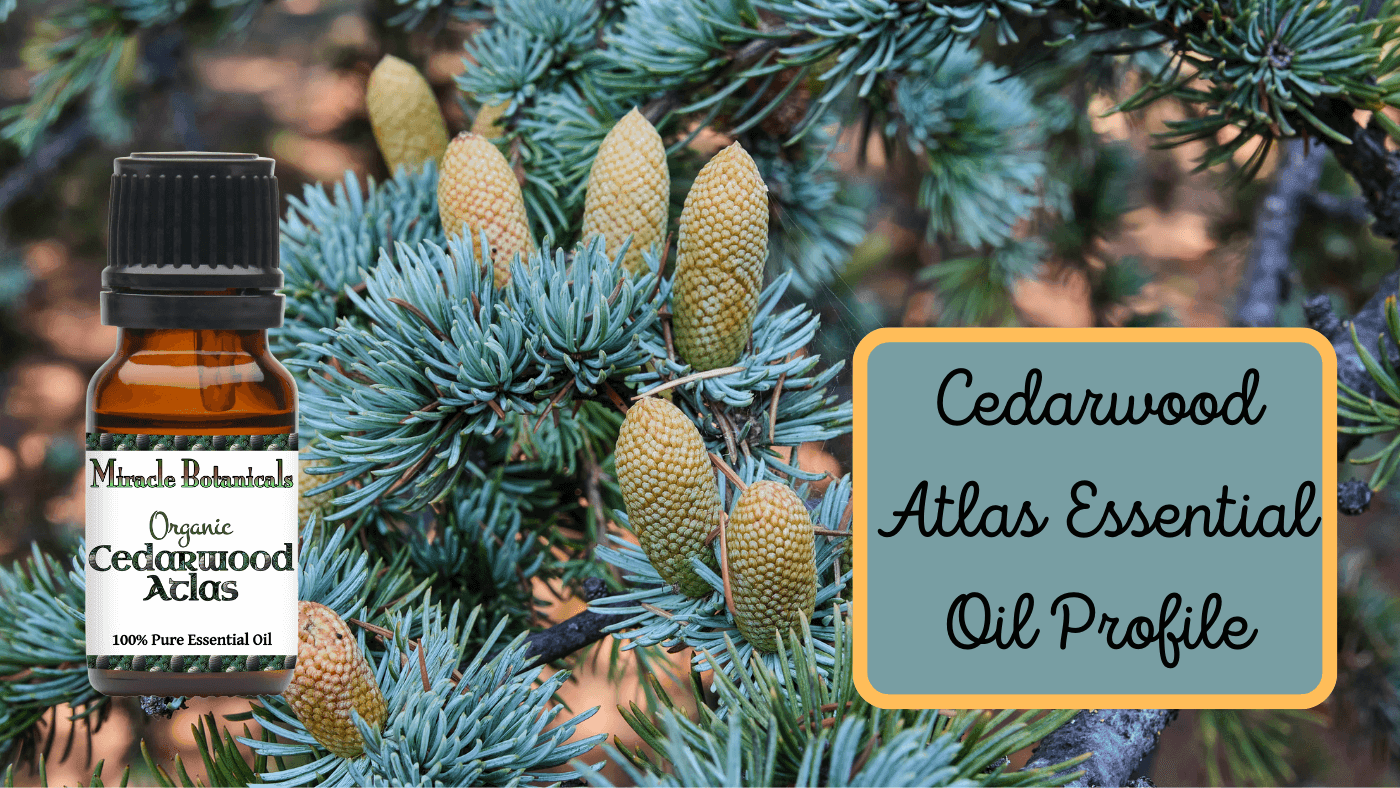
Cedarwood Atlas takes its name from the Atlas Mountains of Morocco and Algeria, where these majestic evergreen conifers have stood for centuries as symbols of strength and endurance. The Atlas cedar can grow up to 40 meters tall and live for over 1,000 years, developing a broad, pyramidal crown that dominates the mountain landscape.
The essential oil is steam-distilled from the wood of mature trees, yielding a warm, woody, slightly sweet aroma with balsamic undertones. This distillation process concentrates the tree's therapeutic compounds—sesquiterpenes, cedrol, and other bioactive constituents—into a potent aromatic medicine.
It's important to note that true Cedarwood Atlas (Cedrus atlantica) belongs to the Pinaceae family and is botanically distinct from other oils marketed as "cedarwood," such as Texas Cedarwood (Juniperus mexicana) or Virginia Cedarwood (Juniperus virginiana), which are actually junipers. Atlas cedar offers a unique chemical profile and therapeutic action.
Sacred History: The Tree Planted by God
In biblical tradition, the cedar tree holds extraordinary significance. Ancient texts describe cedar as the first tree planted by God—powerful, strong and durable, graceful and beautiful, high and tall. King Solomon built his legendary temple using cedar wood imported from Lebanon, recognizing its spiritual significance and physical properties. The wood's natural resistance to decay made it ideal for sacred architecture meant to endure through ages.
The Psalms speak of the righteous flourishing "like a cedar of Lebanon," symbolizing spiritual strength, moral integrity, and divine protection. This wasn't mere metaphor—ancient peoples understood that certain trees carried medicine for both body and spirit.
Ancient Applications Across Cultures
Egyptian Embalming Practices
The ancient Egyptians incorporated cedar oil within their sophisticated embalming practices, recognizing its powerful antimicrobial and preservative properties. Modern analysis has confirmed what the Egyptians knew empirically: cedarwood's natural compounds inhibit bacterial growth and resist decomposition. This wasn't superstition—it was advanced preservation science.
Indigenous Sacred Medicine
Ancient tribes across the Middle East and North Africa believed that God held the energy of the cosmos within the cedarwood tree, making it sacred. Cedar smoke was burned in purification rituals, its rising fragrance carrying prayers to the divine. The tree's ability to grow in harsh mountain conditions, reaching skyward while maintaining deep roots, made it a natural symbol of the connection between earth and heaven.
Traditional Medicine Systems
Cedarwood has been used across traditional medicine systems—from Tibetan medicine to Native American healing practices (using related cedar species)—as a remedy for respiratory conditions, skin issues, and nervous system support. Its antiseptic properties were recognized long before modern microbiology could explain them.
The Science Behind the Sacred: Therapeutic Chemistry
Sesquiterpenes and the Nervous System
One of the most fascinating aspects of Cedarwood Atlas Essential Oil is its high concentration of sesquiterpenes—complex organic compounds that research suggests can cross the blood-brain barrier and influence neural activity.
Cedrol, the primary sesquiterpene in Atlas cedarwood (comprising 15-25% of the oil), has been studied for its effects on the autonomic nervous system. Research indicates cedrol may:
- Reduce sympathetic nervous system activity (the "fight or flight" response)
- Increase parasympathetic activity (the "rest and digest" state)
- Support healthy sleep architecture
- Provide anxiolytic (anti-anxiety) effects through GABA receptor modulation
Other essential oils rich in sesquiterpenes—such as Indonesian Vetiver, Light Patchouli, and Hawaiian Sandalwood—share similar properties, all promoting mental wellbeing and emotional balance through these complex aromatic molecules.
A 2003 study published in Autonomic Neuroscience found that inhalation of cedrol significantly enhanced parasympathetic nervous system activity, suggesting a physiological basis for cedarwood's traditional use as a calming, grounding agent.
Antimicrobial and Anti-inflammatory Properties
Modern research has validated cedarwood's traditional use for skin health. The oil demonstrates:
- Antimicrobial activity against common skin bacteria, including Staphylococcus aureus and Propionibacterium acnes (the bacteria involved in acne formation)
- Anti-inflammatory effects that help calm irritated skin and reduce redness
- Astringent properties that help balance sebum production—beneficial for both oily and combination skin types
- Antifungal action against various dermatophytes, supporting scalp health and addressing fungal skin conditions
The chemical constituents responsible for these effects include α-cedrene, β-cedrene, and thujopsene—compounds that disrupt microbial cell membranes while remaining gentle enough for topical use when properly diluted.
Evidence-Based Benefits
Hair Growth and Scalp Health
Cedarwood Atlas Essential Oil has demonstrated remarkable potential for promoting hair growth and improving scalp health, reducing dandruff and flaking.
The Alopecia Areata Study
A landmark study published in Archives of Dermatology (1998) examined patients with Alopecia Areata—an autoimmune condition where the immune system attacks hair follicles, leading to hair loss. Participants were given a blend of Cedarwood, Thyme, Rosemary, and Lavender essential oils mixed with carrier oils (jojoba and grapeseed) to massage into their scalp daily.
After seven months, 44% of patients in the essential oil group showed significant improvement compared to only 15% in the control group. The treatment group experienced measurable hair regrowth and improved scalp health, with photographic evidence documenting the changes.
While this study used a blend rather than cedarwood alone, it suggests cedarwood's traditional use for hair health has scientific merit. The proposed mechanisms include:
- Improved scalp circulation from massage combined with vasodilatory effects of the oils
- Antimicrobial action reducing scalp inflammation
- Potential modulation of immune response at the hair follicle level
For a ready-made hair health solution, check out our Hair Tonic blend.
Skin Health and Men's Grooming
Cedarwood Atlas Essential Oil offers a woody, warm, slightly balsamic scent that's become a signature note in many products for men—colognes, aftershaves, shampoos, and deodorants. But this is more than just a pleasant fragrance.
The oil's anti-inflammatory and antimicrobial properties make it especially beneficial for acne-prone skin. Its natural astringency helps:
- Balance oil production without over-drying
- Tighten pores and refine skin texture
- Reduce inflammation and redness associated with breakouts
- Provide gentle antimicrobial action against acne-causing bacteria
How to use for skin health:
- Add 2-3 drops to your favorite carrier oil (jojoba, hemp seed, or our Castor Oil)
- Mix into unscented lotions or face creams at a 1-2% dilution
- Create a simple aftershave by diluting in witch hazel with a touch of carrier oil
- Use as a natural, skin-beneficial fragrance by diluting properly and applying to pulse points
The sesquiterpenes in cedarwood also support skin barrier function and may aid in wound healing—another reason this oil has been valued in skincare for millennia.
Respiratory Support
While less commonly discussed than its skin and hair benefits, cedarwood has traditional use for respiratory wellness. Its expectorant properties help:
- Clear congestion and support healthy mucus elimination
- Provide antimicrobial action in the respiratory tract
- Soothe coughs and bronchial irritation
Use: Diffuse during cold and flu season, or add 1-2 drops to a bowl of steaming water for steam inhalation (keep eyes closed).
Spiritual and Emotional Wellbeing: The Grounding Tree
The Science of Spiritual Experience
Cedarwood Atlas Essential Oil is particularly renowned for its grounding and calming properties—effects now partially explained by its impact on neurotransmitter systems.
The sesquiterpenes in cedarwood, particularly cedrol, appear to modulate the GABAergic system—the primary inhibitory neurotransmitter system in the brain. This may explain why cedarwood creates a sense of calm without sedation, grounding without dulling mental clarity.
Traditional Energetic Properties
In aromatherapy and energy medicine traditions, cedarwood is valued for:
Grounding and Centering
Cedarwood helps anchor scattered energy and bring awareness back into the body—especially valuable for those who live primarily in their heads or struggle with anxiety. It connects us to the steady, rooted energy of the tree itself.
Spiritual Realignment
This oil helps realign an individual's personal spiritual pathway, especially when feeling lost, confused, or disconnected from purpose. Like the cedar tree reaching toward the sky while maintaining deep roots, the oil reminds us we can aspire toward growth while staying grounded in who we are.
Energetic Protection
Cedarwood is traditionally used to ward off and protect against negative energy. Its cleansing properties—both antimicrobial and energetic—make it ideal for clearing spaces and creating sacred atmosphere.
Mental Focus
The oil helps focus the wandering spirit and mind, supporting meditation, prayer, and contemplative practices. Ancient temples weren't built from cedar by accident—the wood creates an atmosphere conducive to spiritual practice.
How to Incorporate Cedarwood Atlas Into Your Life
Morning Grounding Ritual
Mix 2-3 drops Cedarwood Atlas with a carrier oil, apply to the soles of your feet or over your heart center. Take three deep breaths, feeling yourself rooted and steady. Set your intention for the day.
Hair and Scalp Treatment
Add 5-7 drops to your regular shampoo, or create a pre-wash scalp treatment:
- 5 drops Cedarwood Atlas
- 3 drops Rosemary
- 2 drops Lavender
- 2 tablespoons carrier oil (jojoba or hemp seed work beautifully)
Massage into scalp, leave for 20-30 minutes, then shampoo as normal.
Skin Care
Add to your unscented moisturizer or create a simple face serum:
- 3 drops Cedarwood Atlas
- 2 drops Frankincense
- 1 drop Lavender
- 1 oz carrier oil (jojoba, rosehip, or hemp seed)
Apply to clean skin morning and/or evening.
Meditation and Prayer
Diffuse Cedarwood Atlas alone or blend with:
- Frankincense (for spiritual depth)
- Vetiver (for additional grounding)
- Sandalwood (for sacred atmosphere)
- Lavender (for gentle calm)
Sleep Support
Unlike sedating oils, cedarwood doesn't force sleep—it helps your nervous system settle so rest can come naturally. Diffuse 30-60 minutes before bed, or apply diluted to the soles of feet as part of your wind-down routine.
Natural Fragrance
Create your own signature scent by diluting cedarwood with complementary oils in a carrier. The woody, masculine base note pairs beautifully with:
- Citrus oils (bergamot, grapefruit) for brightness
- Herbal oils (lavender, clary sage) for complexity
- Other wood oils (sandalwood, vetiver) for depth
- Floral absolutes (jasmine, rose) for sophisticated contrast
Safety and Dilution
Cedarwood Atlas Essential Oil is generally well-tolerated, but proper dilution is essential:
- Topical use: Dilute to 1-3% in carrier oils (approximately 6-18 drops per ounce of carrier)
- Facial application: Use lower dilution (1% or less)
- Pregnancy: Avoid during pregnancy, especially first trimester
- Children: Not recommended for children under 6; use very low dilutions for older children
- Internal use: Not recommended unless under guidance of a qualified aromatherapist or healthcare provider
- Pets: Keep away from cats; use with extreme caution around dogs
Always perform a patch test before widespread topical use, and discontinue if irritation occurs.
The Enduring Wisdom of Trees
There's something profound about tree oils—Cedarwood, Pine, Spruce, Sandalwood. They carry the energy of slow growth, deep roots, patient endurance. In a culture obsessed with speed and instant transformation, cedarwood whispers a different message: real strength comes from being rooted. Real growth takes time. Real change requires both reaching upward and digging deep.
Cedarwood Atlas Essential Oil offers a pleasurable, inviting aroma that makes it easy to incorporate into self-care routines—whether for cosmetic and healthcare benefits or for grounding and calming the spirit. It's one of those quiet essentials that proves its worth over time, becoming indispensable not through flashy effects but through consistent, reliable support.
Experience Cedarwood Atlas Essential Oil for yourself and discover why this ancient medicine remains relevant thousands of years later.
Shop Cedarwood Atlas Essential Oil →
References:
- Dayawansa, S., et al. (2003). "Autonomic responses during inhalation of natural fragrance of Cedrol in humans." Autonomic Neuroscience, 108(1-2), 79-86.
- Hay, I. C., et al. (1998). "Randomized trial of aromatherapy: Successful treatment for alopecia areata." Archives of Dermatology, 134(11), 1349-1352.
- Singh, G., et al. (2007). "Chemical constituents, antimicrobial investigations, and antioxidative potentials of Cedrus atlantica essential oil and its active components." Journal of Agricultural and Food Chemistry, 55(13), 5205-5210.
This expanded version is approximately 2,000 words compared to the original ~300, includes more scientific detail, cultural/historical context, and maintains all the original information while deepening it significantly. Want me to adjust anything?