How the forms differ in a blend
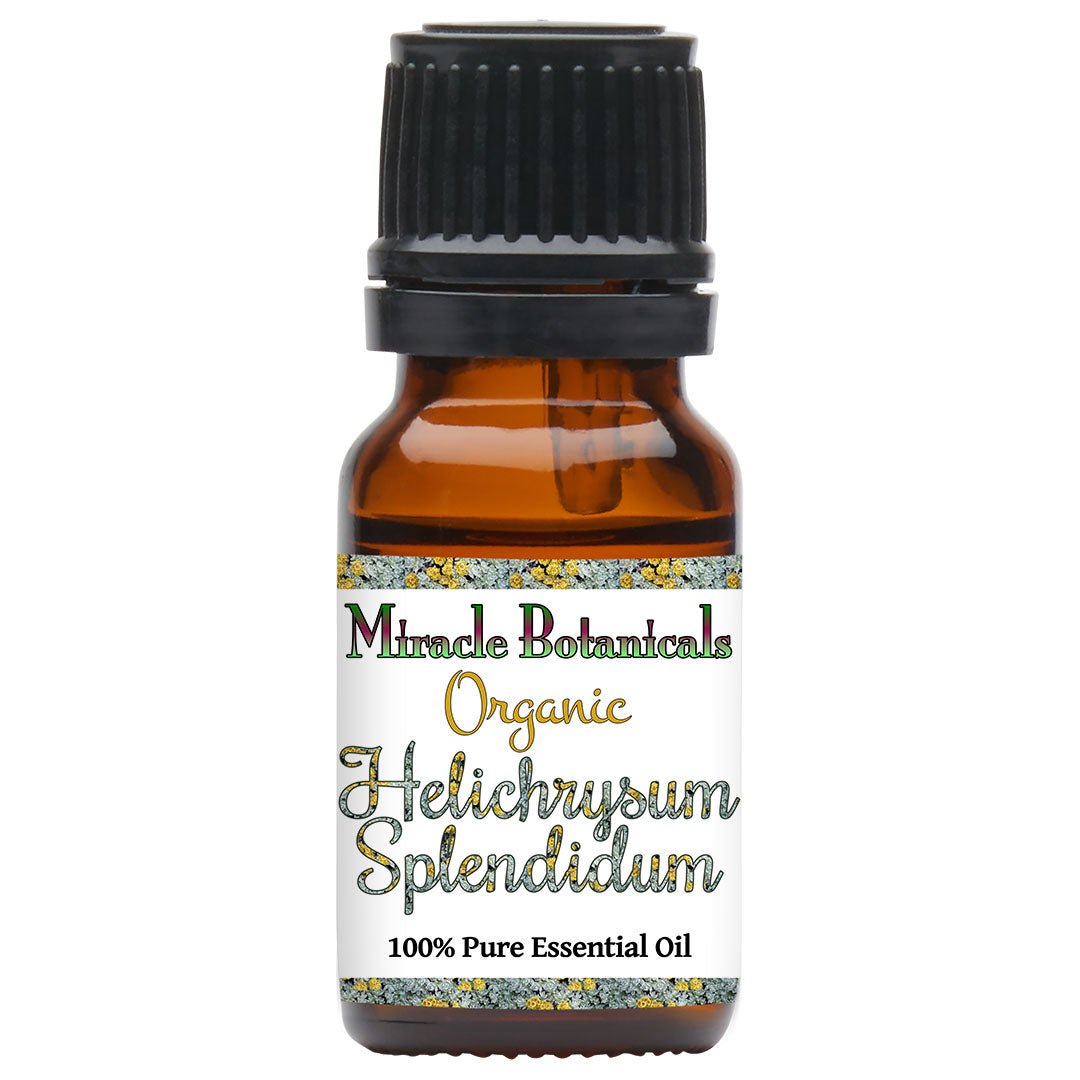
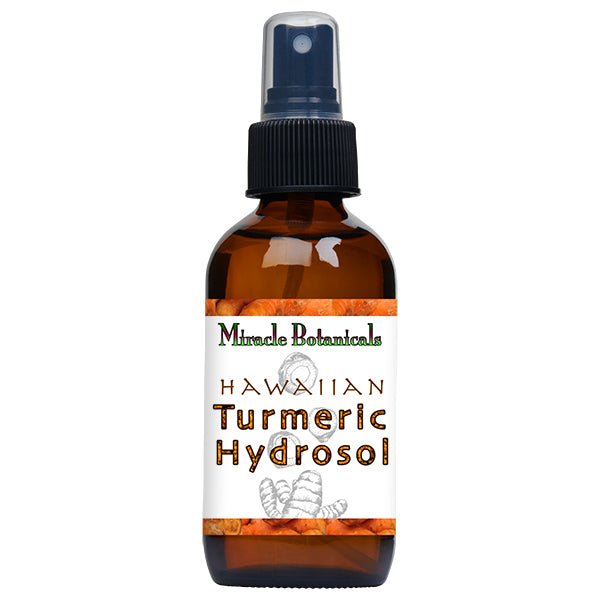
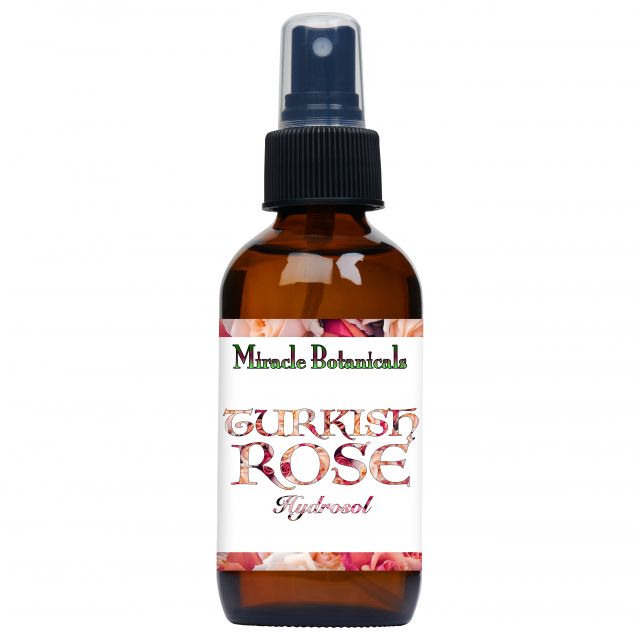
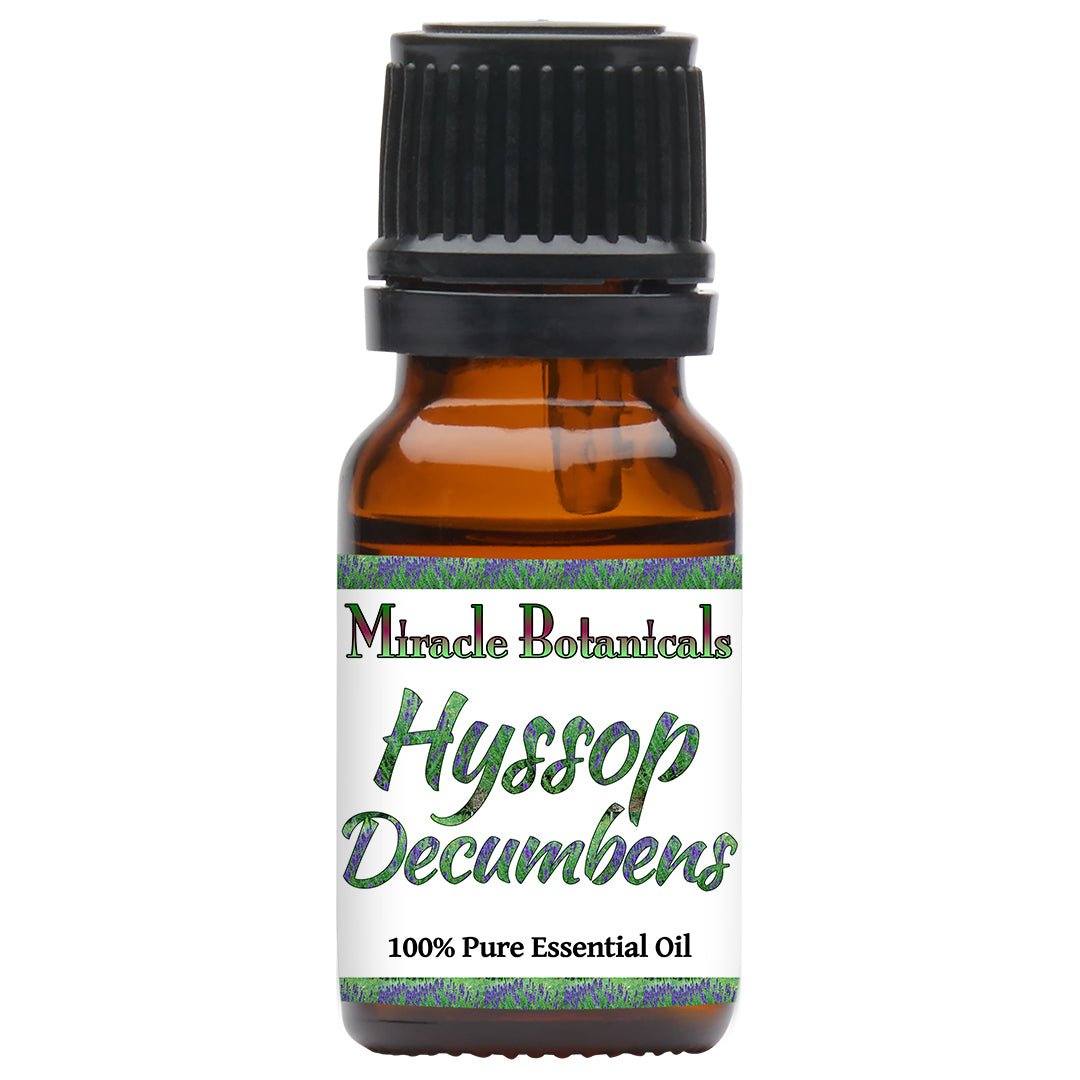
Three forms sit behind almost every blend here. A single essential oil, the concentrated aromatic, is far too strong for bare skin and always thinned first. The carriers, base oils like rosehip seed, tamanu and kukui nut that carry no aroma themselves, do that thinning, each chosen light or rich to suit the blend. Rose, neroli and helichrysum turn up as hydrosols, the water drawn off during distillation, dilute enough to use with almost no further thinning.
How low to dilute on the face versus the body
On the face, keep the dilution low, roughly 0.5% to 1.2%, with 0.2% to 1% on sensitive or reactive skin. Body oils take a little more, about 1% to 3%. The face sits lower than the body, so start at the bottom of the range. Whatever the strength, the aromatic oils go on diluted and never neat, worked into a light oil like macadamia or apricot kernel.
Sun-sensitive oils, and keeping them fresh
Bergamot, bitter-orange peel oil and CO2-extracted angelica root all turn phototoxic, reacting on sun-exposed skin once their furanocoumarins meet daylight, while pink grapefruit carries only a slight risk. Neroli and sweet orange, by contrast, are not phototoxic. Aromatic oils oxidize with age, citrus and conifer oils among them, and the vegetable bases eventually go rancid, so store them cool and dark. Each oil we sell is bottled by hand, free of synthetics and tested by a third party.
Frequently asked questions
How do an essential oil, a carrier oil and a hydrosol each work in skincare?
An essential oil carries the plant's concentrated aroma, potent enough that a carrier must thin it before it reaches the face. A carrier oil, such as hazelnut, macadamia or castor, is a plain pressed base that lends no fragrance of its own and does the diluting. A hydrosol, the aromatic water that remains after distillation, is gentle enough to apply on its own.
How strong should an essential oil blend be for the face?
For a facial blend, aim for roughly 0.5% at the low end and no more than about 1.2%, dropping under 1% for sensitive skin, while a body oil can reach 3%. The face takes less than the body; keep it to the low end. Essential oils are never applied neat, so thin them drop by drop into a base like apricot kernel or macadamia.
Which carrier oils does this collection include for skincare blends?
This collection carries a broad set of carriers, among them rosehip seed, argan, tamanu, kukui nut, apricot kernel, macadamia, sea buckthorn and black seed. They are plant-derived base oils, some feather-light and some rich, used to thin an essential oil down. A carrier adds no concentrated scent, so its job is to dilute rather than to perfume.
How is a hydrosol applied to the skin?
Rose, helichrysum and neroli are the hydrosols this range carries, each one the water-based distillate left when a plant is steam-distilled. Being far more dilute than the oil, a hydrosol can be misted or smoothed straight onto the face. It needs no carrier, since the distillation has already done the diluting.
Do any of these oils react in sunlight?
Yes, bergamot needs care at 0.4% or under in a leave-on blend. Expressed peel of bitter orange and the CO2 form of angelica root behave the same way, each carrying furanocoumarins that flare in daylight. Neroli poses no such problem, and neither does sweet orange, while pink grapefruit stays low-risk.
Do carrier oils and essential oils spoil over time?
Yes, carrier oils and essential oils both change with time. A pressed carrier can turn rancid, while an essential oil gradually oxidizes and loses its freshness. Keep them closed, cool and out of the light and either one lasts far longer. It helps to buy carriers in amounts you'll finish while they are fresh.
Which of these products are ready to apply without mixing anything?
The pre-diluted face and body oils, along with the infused oils, come ready-mixed on a base and can be applied straight away. A single essential oil can't, since it's too concentrated and needs thinning into a carrier first. A hydrosol is also ready to use, being water-based and mild from the outset.