How true lavender, spike lavender and lavandin differ
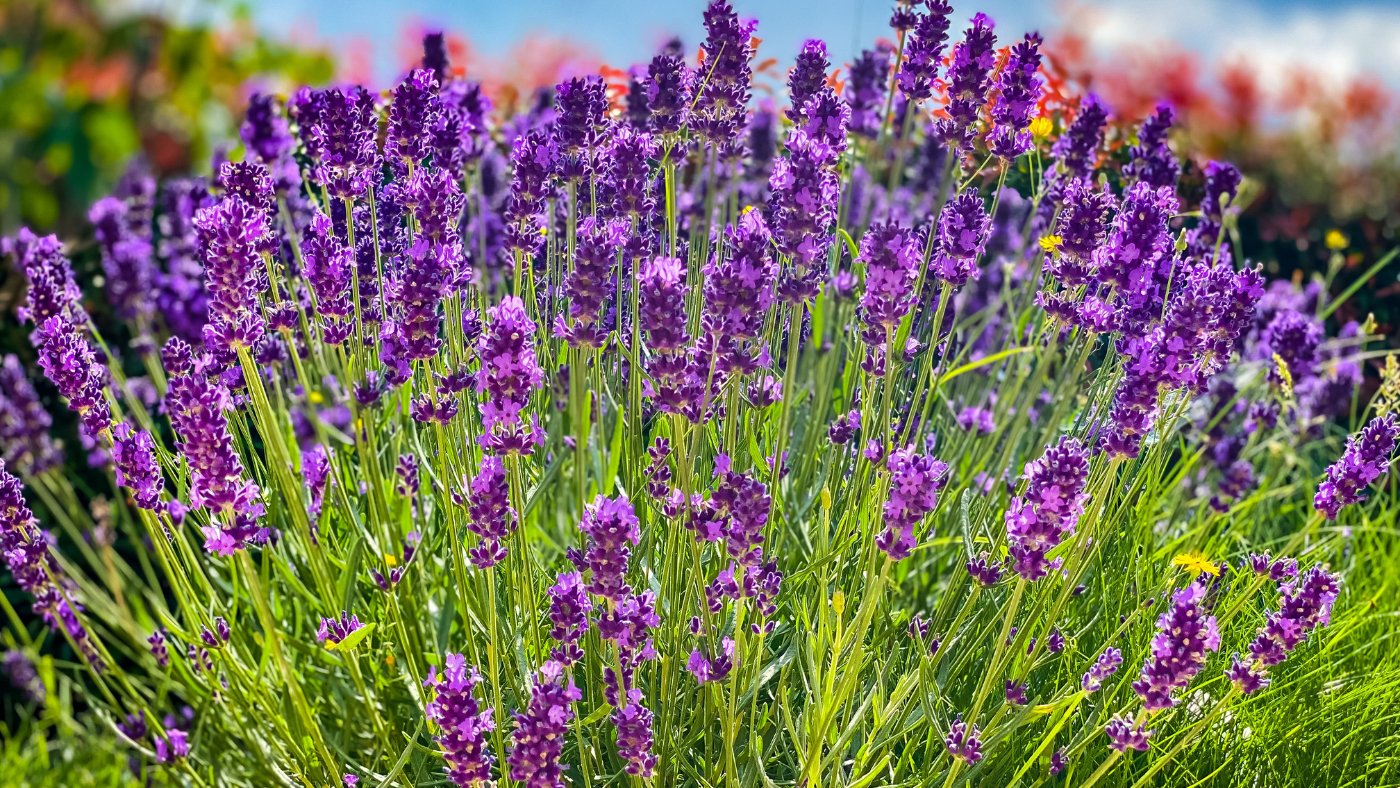
Each lavender carries its own balance of aroma compounds. True lavender (Lavandula angustifolia, the fine French oil) is rich in linalool and linalyl acetate and low in camphor, so it smells soft, sweet and floral. Spike lavender (Lavandula latifolia) runs high in eucalyptol and camphor, sharper and more herbaceous. Lavandin (Lavandula x intermedia) crosses the two, carrying more camphor than true lavender but less than spike, so it lands between them.
Which you choose comes down to the aroma you want. The fine French oil gives the soft classic scent, spike lavender something sharper, lavandin the middle. A sharp, camphor-like lavender is likely spike lavender or lavandin, not a flaw.
Using lavender, spike lavender and lavandin safely
Lavender, spike lavender and lavandin should each be diluted in a carrier oil so they never reach skin neat. The extra care belongs to spike lavender and lavandin, the two carrying camphor and eucalyptol, spike lavender highest; true lavender stays the gentlest, lowest in camphor. Around young children, keep spike lavender and lavandin well diluted, or choose the milder true lavender.
These oils are not for internal use. Anyone pregnant, or with epilepsy or asthma, or taking prescribed medication, should seek a doctor's or a qualified practitioner's advice before using pure essential oils. Because camphor is traditionally avoided in pregnancy, spike lavender and lavandin call for extra caution. Store them cool, dark and closed, away from heat.
How these lavender oils are made and sourced
Steam distillation makes these lavender oils, drawing the oil from the plant's flowering tops. The lavandin plants are bigger and hardier, easier to harvest and widely grown for the oil trade, while the high-altitude French oil is grown and distilled in smaller quantity.
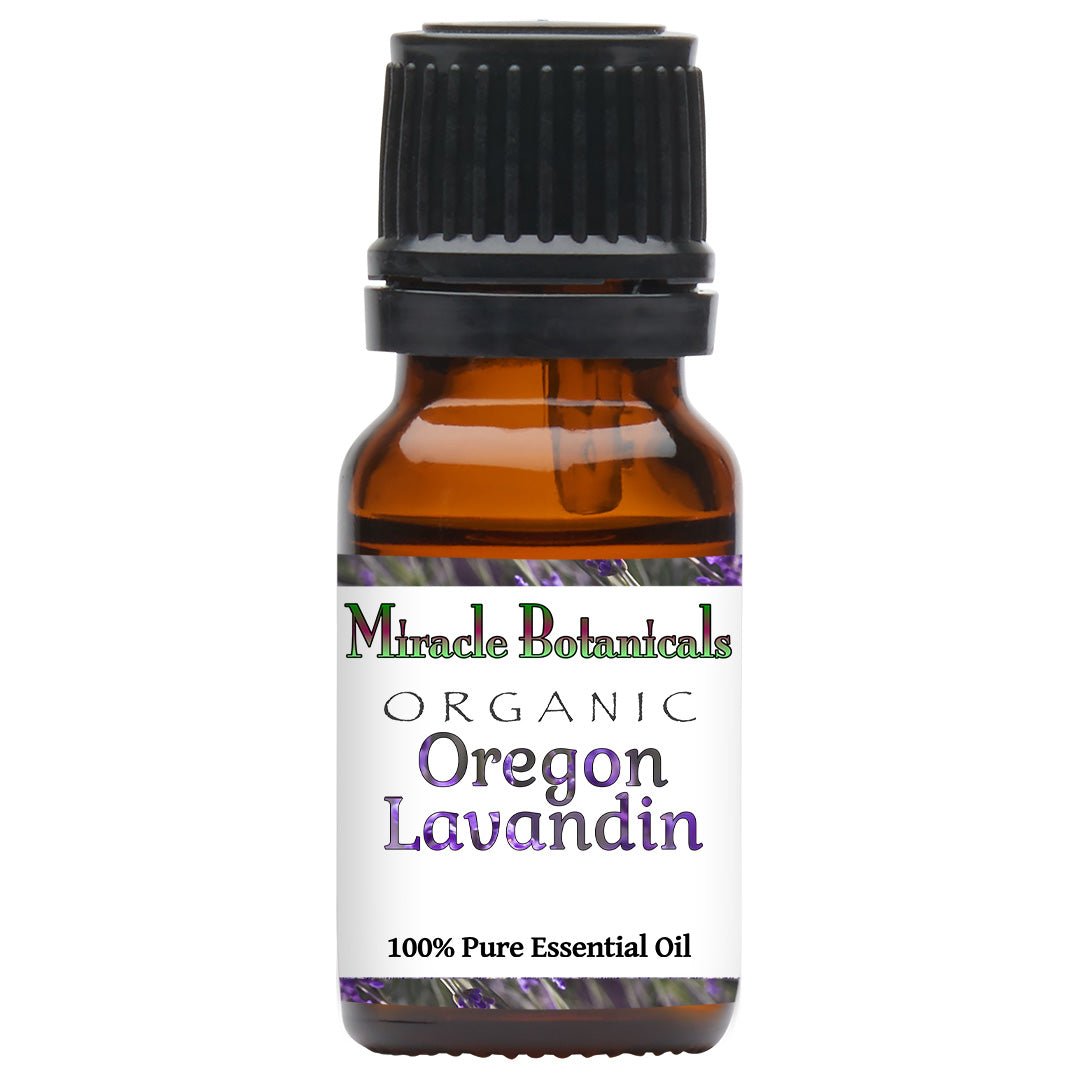
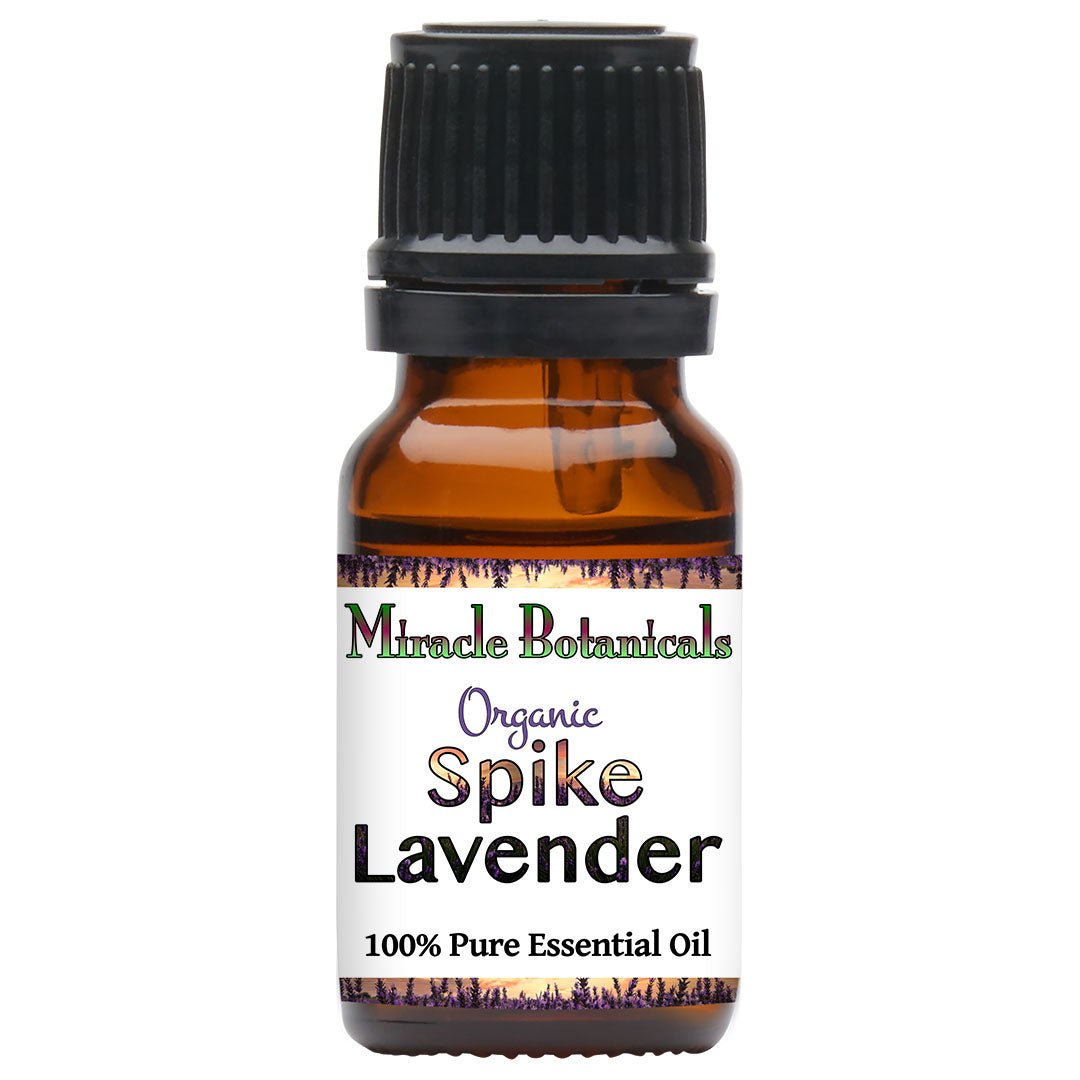
This collection brings together the organic spike lavender, the organic Oregon lavandin and the fine French lavender. Every oil goes through third-party testing and is confirmed free of synthetics, pesticides and adulterants, whether it is an everyday diffuser lavender or one an aromatherapist or perfumer would seek out.
Frequently asked questions
What sets lavender, spike lavender and lavandin apart?
True lavender gives the mellow, sweet scent people recognize as lavender, spike lavender is the brisk, pungent one, and lavandin falls between the two as their hybrid. The split comes down to chemistry, because spike lavender is loaded with eucalyptol and a lot of camphor, while true lavender leans on linalool with barely any camphor. Lavandin inherits some of each, so it lands as a mix of the two.
Is lavandin the same as true lavender?
No, lavandin is its own plant, a hybrid raised from crossing true lavender with spike lavender. Taking after both parents, it carries a sharper, more camphor-tinged smell than true lavender alone, and it grows on bigger, hardier plants, so it is the lavender grown commercially.
Why does some lavender oil smell sharp or camphor-like instead of sweet?
A sharp, camphor-heavy lavender usually turns out to be spike lavender or lavandin instead of true lavender. Those two hold more camphor, and spike lavender piles on eucalyptol besides, giving that keen, herby bite. It is the plant coming through, not a defect.
Which of these lavender oils has the softest, sweetest aroma?
True lavender has the softest, sweetest aroma of the three, far mellower than the other two. Spike lavender and lavandin both come off brisker and more camphor-heavy beside it. For the gentlest, most familiar lavender scent, true lavender wins easily.
How do you dilute lavender, spike lavender or lavandin before using them on skin?
Lavender, spike lavender and lavandin each need a carrier oil first, before they ever meet skin, and none should go on neat. Spike lavender and lavandin, the camphor-carrying pair, ask for a little more care, and a child's skin takes a lower dilution than an adult's. The carrier is what lets the oil reach skin gently instead of at full strength.
How should you use spike lavender and lavandin around young children?
Spike lavender and lavandin carry camphor and eucalyptol, so they call for more care than true lavender around young children. Dilute them well, or choose the gentler true lavender, and ask a qualified aromatherapist if you are unsure. No pure essential oil should be used freely on a young child, or treated as risk-free.
How should you store lavender essential oils to keep them fresh?
Store lavender, spike lavender and lavandin somewhere cool, dark and sealed, away from light and air. Like most essential oils they change over time, and an aging oil can bother skin more easily, so fresher is better. If you diffuse them, short spells of about 30 to 60 minutes with fresh air in between work well.