Table of Contents
Essential Oil Spotlight
When most people think of the Melaleuca genus, Tea Tree Essential Oil immediately comes to mind. Revered for its fresh medicinal aroma and renowned cleansing properties, it has become one of the most recognized essential oils in aromatherapy. Yet within this very same botanical family is another remarkable aromatic: Niaouli Essential Oil, distilled from Melaleuca quinquenervia, a plant that has quietly served traditional communities for generations.
Often overshadowed by Tea Tree and Eucalyptus, Niaouli occupies a fascinating place between the two. It shares Tea Tree's botanical lineage while expressing an aromatic profile that is softer, sweeter, and more expansive. Rich in 1,8-cineole, yet balanced by bright monoterpenes like α-pinene and α-thujene, Niaouli offers a refreshing character that many people find easier to diffuse and incorporate into everyday wellness routines.
For herbalists, Niaouli represents something particularly beautiful—a reminder that closely related plants can express remarkably different personalities, chemistries, and therapeutic gifts.
Let's explore why this remarkable essential oil deserves far more attention.
 What Makes Niaouli Different?
Niaouli is steam distilled from the leaves of Melaleuca quinquenervia, an evergreen paperbark tree native to Australia and now naturalized throughout New Caledonia and Madagascar.
Its common name, Paperbark Tree, comes from the tree's distinctive pale bark, which peels away in thin papery layers. These remarkable trees thrive in wetlands, tolerate prolonged flooding, survive seasonal drought, and can even regenerate after wildfire—an incredible resilience reflected in the vitality of the plant itself.
Many herbalists view plants through the lens of ecological intelligence. A species that flourishes under environmental extremes often develops a rich array of protective secondary metabolites—the aromatic compounds we later distill into essential oils. While this doesn't directly determine therapeutic effects, it helps explain why resilient plants like Niaouli produce such complex and fascinating aromatic chemistry.
Tea Tree's Lesser-Known Cousin
Although both belong to the Melaleuca genus, Tea Tree and Niaouli are surprisingly different oils.
Rather than thinking of Niaouli as a substitute for Tea Tree, it's more helpful to think of it as a different expression of the same botanical family.
Tea Tree is crisp, intensely herbaceous, and unmistakably medicinal.
Niaouli feels brighter, greener, and more refined. Many people describe its aroma as a bridge between Tea Tree and Eucalyptus, with subtle sweet notes that soften its camphorous character.
This makes Niaouli especially appealing for people who appreciate Tea Tree's freshness but find its aroma somewhat overpowering.
Tea Tree vs Niaouli
| Feature | Niaouli | Tea Tree |
|---|---|---|
| Botanical Name | Melaleuca quinquenervia | Melaleuca alternifolia |
| Aroma | Sweet, fresh, camphorous, airy | Sharp, herbaceous, medicinal |
| Dominant Constituents | 1,8-Cineole, α-Pinene, α-Thujene | Terpinen-4-ol, γ-Terpinene |
| Traditional Focus | Respiratory wellness, skin care, diffusion | Skin care, cleansing, household uses |
| Aromatic Personality | Bright, spacious, uplifting | Strong, medicinal, cleansing |
A Look at the Chemistry
Every essential oil tells a chemical story.
Our Organic Niaouli Essential Oil is naturally rich in 1,8-cineole, comprising approximately 57% of the oil.
This constituent is also abundant in Eucalyptus and Rosemary ct. Cineole and is responsible for the fresh, cooling, penetrating aroma many people associate with open forests and clean mountain air.
Supporting this are meaningful levels of:
• α-Pinene — a bright forest terpene found throughout conifer trees and frankincense resin.
• α-Thujene — contributing fresh green complexity.
Together these compounds create an oil that feels simultaneously cleansing, expansive, and gently invigorating.
Rather than smelling harshly medicinal, Niaouli carries a clean brightness that diffuses beautifully throughout the home.
Traditional Herbal Uses
Throughout Australia, New Caledonia, and Madagascar, Niaouli has long been woven into traditional wellness practices.
Historical records describe the leaves being:
• crushed into poultices for minor skin concerns
• prepared for seasonal respiratory support
• incorporated into traditional cleansing practices
• used to freshen living spaces
Coffee plantation workers in New Caledonia have traditionally crushed fresh leaves into poultices to soothe hands worn from harvest, while Indigenous Australian communities have long valued Paperbark trees as versatile medicinal plants.
Although modern aromatherapy continues to explore Niaouli's properties, these longstanding traditional uses speak to its enduring place in botanical medicine.
Why Herbalists Love Niaouli
One of Niaouli's greatest strengths is its versatility.
Instead of excelling in only one area, it comfortably bridges several worlds.
It feels cleansing without being overwhelmingly medicinal.
It supports respiratory wellness while remaining pleasant to diffuse.
It blends effortlessly with both conifers and florals.
Its aroma feels simultaneously invigorating and grounding.
For many clinical herbalists and aromatherapists, this balanced personality makes Niaouli an oil that quietly earns a permanent place on the shelf.
Beautiful Essential Oil Pairings
Niaouli blends exceptionally well with:
• Frankincense
• Lavender
• Peppermint
• Lemon
• Sweet Orange
• Rosemary
• Blue Tansy
• Helichrysum italicum
• Black Spruce
• Fir Needle
Its bright cineole-rich profile lifts heavier resinous oils while adding freshness to floral blends.
Diffusing Niaouli
When diffused, Niaouli creates an atmosphere that feels:
• fresh | • clean | • open | • vibrant | • naturally revitalizing
Its aroma is particularly welcome during seasonal transitions or whenever you'd like to bring the feeling of crisp forest air indoors.
Niaouli at a Glance
| Botanical Name | Melaleuca quinquenervia |
|---|---|
| Plant Part | Leaves |
| Extraction | Steam Distilled |
| Aroma | Sweet • Fresh • Camphorous |
| Note | Middle |
| Origin | Madagascar |
| Main Constituents | 1,8-Cineole, α-Pinene, α-Thujene |
Final Thoughts
While Tea Tree may remain the most famous member of the Melaleuca family, Niaouli offers its own distinct botanical personality.
Its bright cineole-rich chemistry, softer aromatic profile, and long history of traditional use make it a beautiful companion for everyday aromatherapy, respiratory blends, natural home care, and skincare formulations.
For those seeking an essential oil that captures the freshness of Tea Tree with a gentler, more refined aromatic character, Niaouli is a hidden gem well worth discovering.
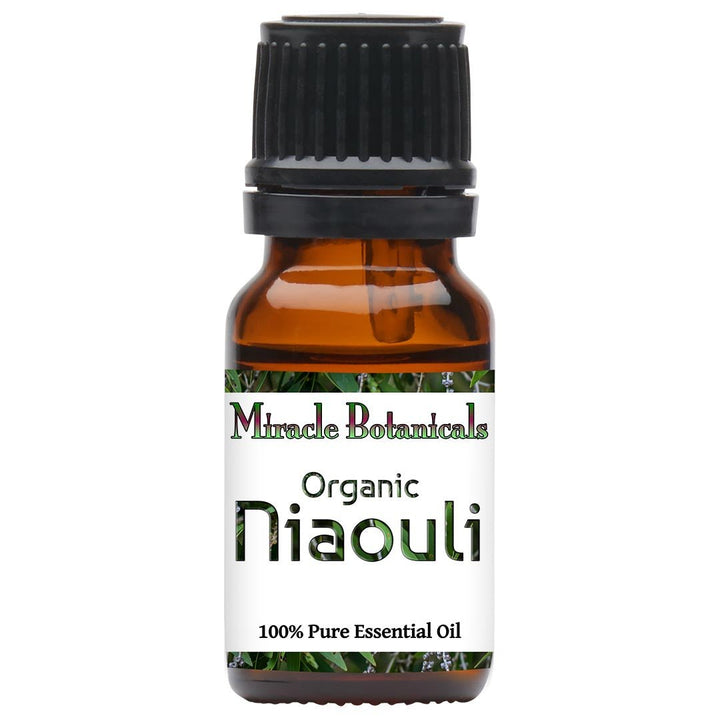
Niaouli Essential Oil - Organic (Melaleuca Quinquenervia)
$10.97
Botanical Name: Melaleuca Quinquenervia Plant Part: Leaves Aroma: Sweet, Camphorous, and Fresh Perfumery Note: Middle Color/Consistency: Clear with Thin Consistency Method of Extraction: Steam Distilled Country of Origin: Madagascar Main Chemical Components: 1,8-Cineole (57.47%), alpha-Thujene (8.07%), alpha-Pinene (8.07%) … read more
Botanical Curiosity
Did You Know?
Although Niaouli, Tea Tree, Cajeput, and Paperbark trees all belong to the Melaleuca genus, each species produces an essential oil with its own distinctive chemistry and aroma. Small differences in genetics, growing conditions, and dominant constituents can transform closely related plants into remarkably different aromatic medicines—one of the many reasons botanical identity matters when choosing an essential oil.
FAQs
What is Niaouli Essential Oil good for?
Niaouli Essential Oil is traditionally used in aromatherapy for respiratory support, cleansing, skin care, and promoting a clear, refreshed atmosphere. Its fresh, camphoraceous aroma makes it especially popular in seasonal wellness and breathing blends.
Is Niaouli the same as Tea Tree Essential Oil?
No. While Niaouli and Tea Tree are both members of the Melaleuca genus and share some aromatic similarities, they are distinct species with different chemical profiles. Niaouli tends to have a softer, sweeter, more eucalyptus-like aroma and is especially rich in 1,8-cineole.
What is the main difference between Niaouli and Tea Tree Essential Oil?
The biggest difference is their chemistry. Niaouli is typically rich in 1,8-cineole, giving it a fresh, eucalyptus-like aroma and making it especially popular in respiratory and seasonal wellness blends. Tea Tree is typically dominated by terpinen-4-ol and is best known for its purifying qualities and use in skin care. Both belong to the Melaleuca genus, but their distinct chemistry gives each oil its own aromatic character and traditional uses.