Table of Contents
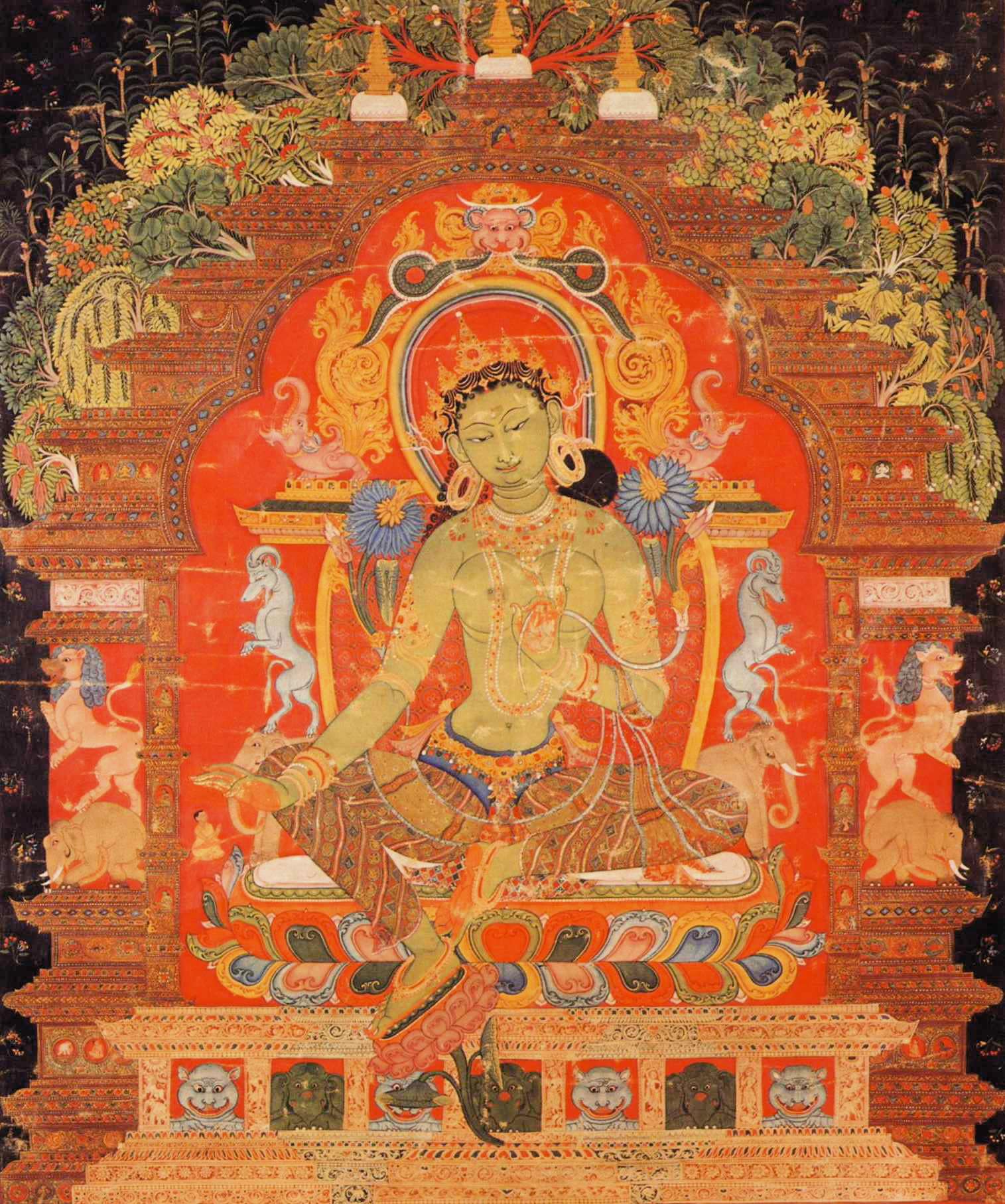
Blue Lotus is probably one of the most well-known entheogens of the modern spiritual world, though its roots date back to ancient Kemet (Egypt) and Asia. This plant is frequently depicted in art from these regions, including images on the walls of the pyramids and religious art in Tibet that depicts the goddess, Tara. This plant was revered as a sacrament for use in religious practices, meditation, and also incorporated into fertility festivals. Interest in blue lotus benefits often centers on meditation, sensuality, opening of the third eye chakra, connection with the divine, and the dreaming mind.
Known botanically as Nymphaea caerulea or Nymphaea nouchali, this fragrant blue water lily has become a companion to transcendental and sacred rituals of all kinds. It is worth mentioning that, though this flower is popularly referred to as a "lotus", it is actually a water lily. There are two types of water lilies that were native to the Nile area of Egypt - a white lily and a blue lily. The pink lotus flower, Nelumbo Nucifera, was later introduced by the Persians.
We see that ancient Egypt has given us the most historical information to work with about this botanical. It grew near the Nile River, was used for common medicine applications, as well as sacred festivals, and appears all throughout their art and certain ancient texts including the Egyptian Book of the Dead. It was also utilized by the Egyptian priesthood as a medicine and spiritual sacrament.
A study of Indian religious iconography discusses the utpala as a symbol of good fortune, freedom from worldly attachment, and rejuvenation. It also describes an interpretation in which Tara's flower represents her compassionate activity during the night, helping us to overcome spiritual obstacles through darkness.
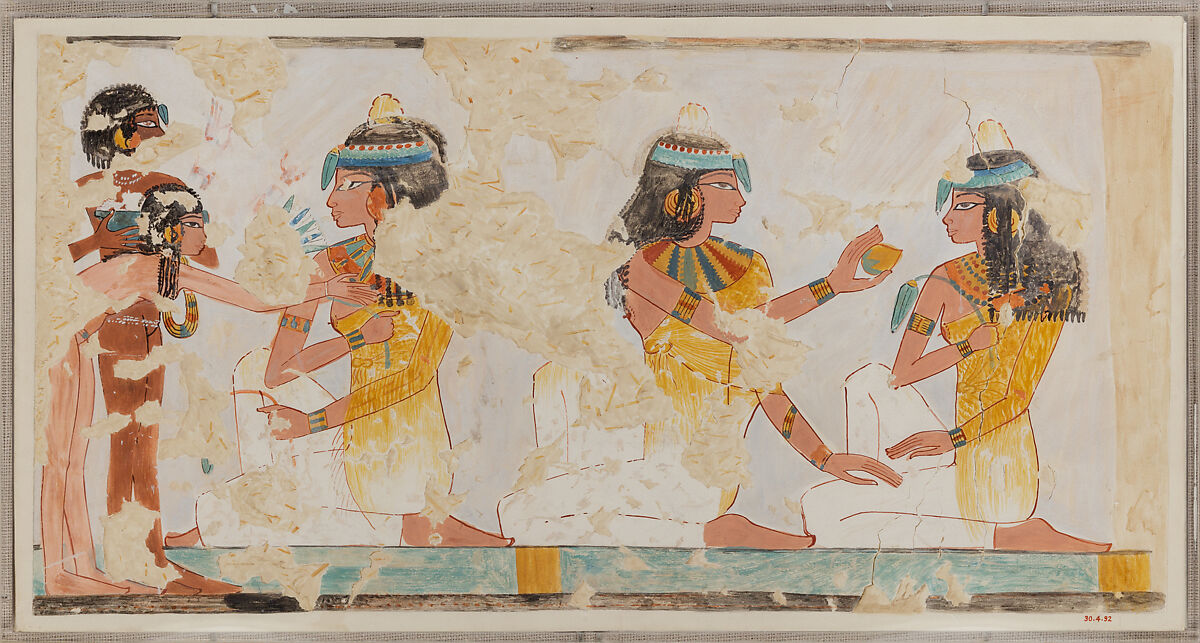 This image from ancient Egypt depicts women at a banquet holding and adorning themselves with Blue Lotus buds and flowers
Ancient Wisdom, Emotional Well-Being & the Art of Double Extraction
There is something almost otherworldly about the this flower, so it is no surprise that Blue Lotus has inspired spiritual traditions, ancient medicine, and poetry for thousands of years.
Blue Lotus is an adaptogen and is considered to considered by the cultures that utilize its medicine to be a supportive "cure all" plant for the wellbeing of the body and the mind. Spiritually, it is known to produce subtle, high level expanded states of consciousness in the form of theta brain waves that are perfect for ceremony, ritual, and meditation. It is also an aphrodisiac.
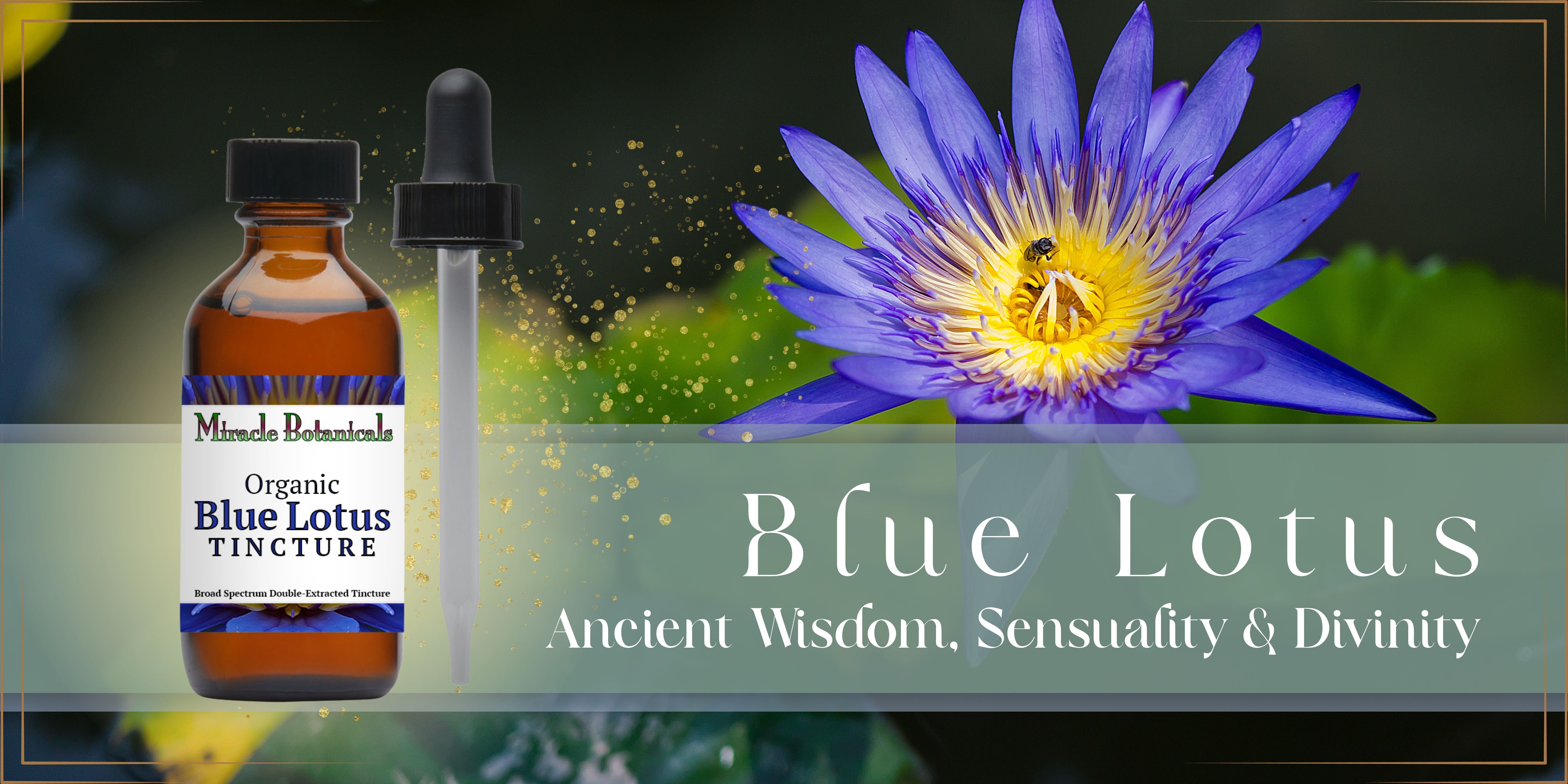
At Miracle Botanicals, our Blue Lotus Tincture is created through a special double-extraction process that combines alcohol and water to draw out a broader range of botanical constituents, including the fascinating gelatinous material found within the flower itself. This allows us to utilize a wider range of alkaloids than other extraction methods
Blue Lotus Tincture - Double Extracted - Broad Spectrum (Nymphaea nouchali)
$59.97
Botanical name: Nymphaea nouchaliPlant part: Whole flowersFlower origin: ThailandCrafted in: Hawaiʻi Island, USAExtraction: Double extraction using alcohol and distilled water, handcrafted.Ingredients: Blue Lotus flowers, organic silver rum from Maui, and distilled water. Blue Lotus (Nymphaea nouchali and Nymphaea nouchali var.… read more

Blue Lotus Benefits

Many people choose to smoke the dried flower or drink it as a tea before sleeping to induce lucid dreaming. When consumed as a tea, blue lotus also has a mildly sedating effect, but when consumed as a tincture we have found that it is not sedating - this makes it perfect for people who wish to work more intimately with this plant, dosing frequently or during the day.
Blue Lotus appears to align the Will with the Higher Self, often reducing the influence of distractions and ego projections on one's path.
Intuition
It is said that Blue Lotus facilitates the balance and activation of the Third Eye chakra. Some speculate that this is connected to the way Blue Lotus affects your brain waves, which is why it is also so helpful for meditation and accessing the sacred states that we utilize when in ritual or communing with the Divine. Try incorporating Blue Lotus into your personal spiritual practices, or in conjunction with other Third Eye openers, like our Vision Essential Oil Blend.
Body Balance
Many cultures to regard this plant as a "cure all" treatment because of the way it can help to balance the internal processes of the body with its adaptogenic properties. In particular, it seems to balance endocrine secretions and liver function, though there isn't much scientific research to support this yet. Some studies have also connected Blue Lotus to a decrease in feelings of anxiety, depression, and general stress.
Sacred Sexuality
Blue Lotus is a potent aphrodisiac, possibly facilitating deeper intimacy with the Self, a partner, or with whatever you consider Divinity to be in your world. This plant can help you to get back in touch with your own body, your juiciness, and help you surrender to connection in ways that feel natural and fluid.
Dreams
Some say that Blue Lotus increases dream continuity and duration, helping us to recall our dreams with better clarity, and also facilitate the states necessary to experience lucid dreaming. This ties back into brain waves, conscious meditative states, and Third Eye activation.
Vision - 6th Chakra Essential Oil Blend for Balancing Third Eye Chakra
$49.97
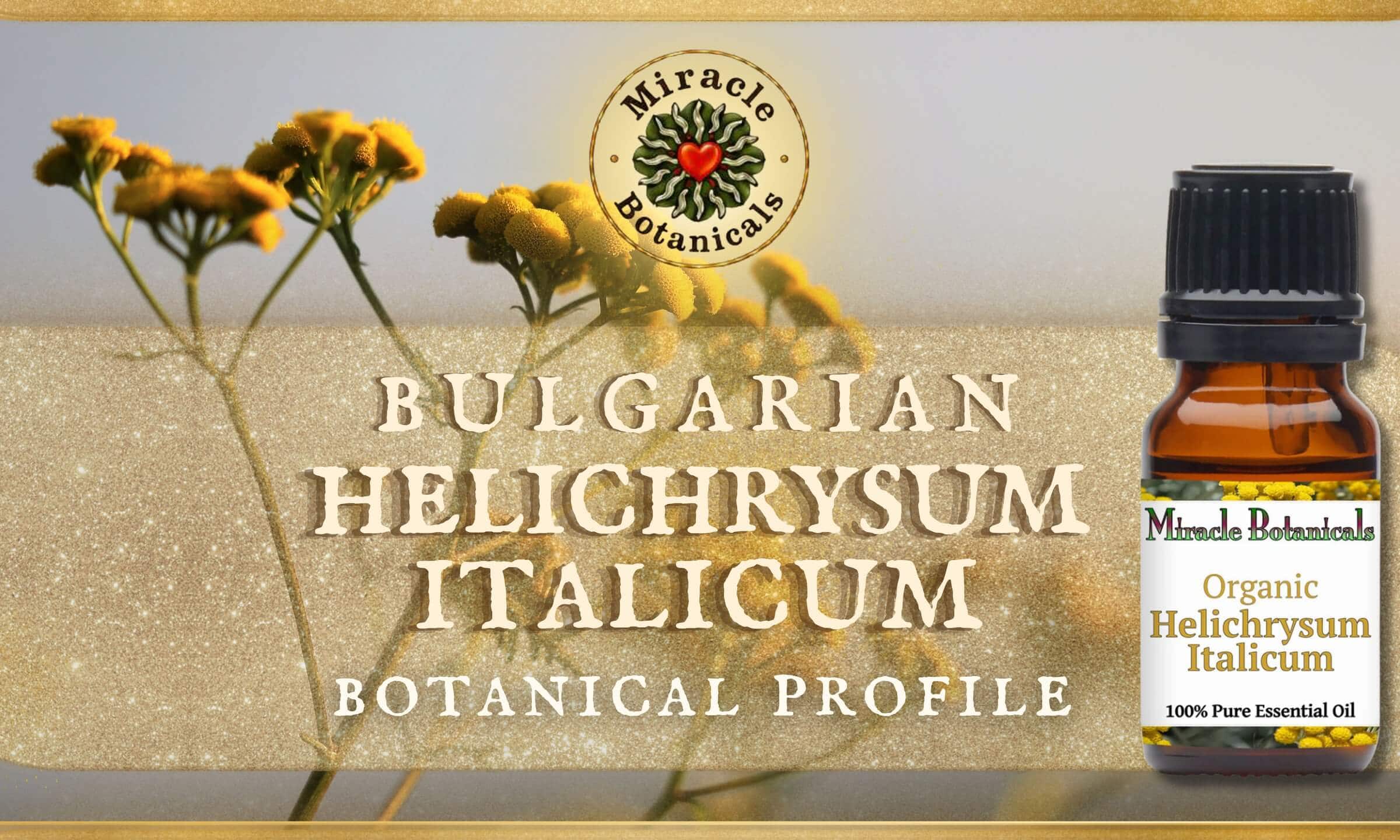
Third Eye Chakra Essential Oil Blend consisting of: German Chamomile - This blue colored oil facilitates connection with non-ordinary realities, Divine source and vibrations of angelic quality Immortelle (Helichrysum Italicum) - Activates the right side of the brain. Assists in… read more

Blue Lotus and Lucid Dreaming
A lucid dream is a dream in which you recognize that you are dreaming while it continues. It differs from a vivid dream, which may feel extraordinarily real without that recognition. Blue lotus has become a botanical companion to modern dreamwork, including intentions for vivid dreams, recall, and lucidity.
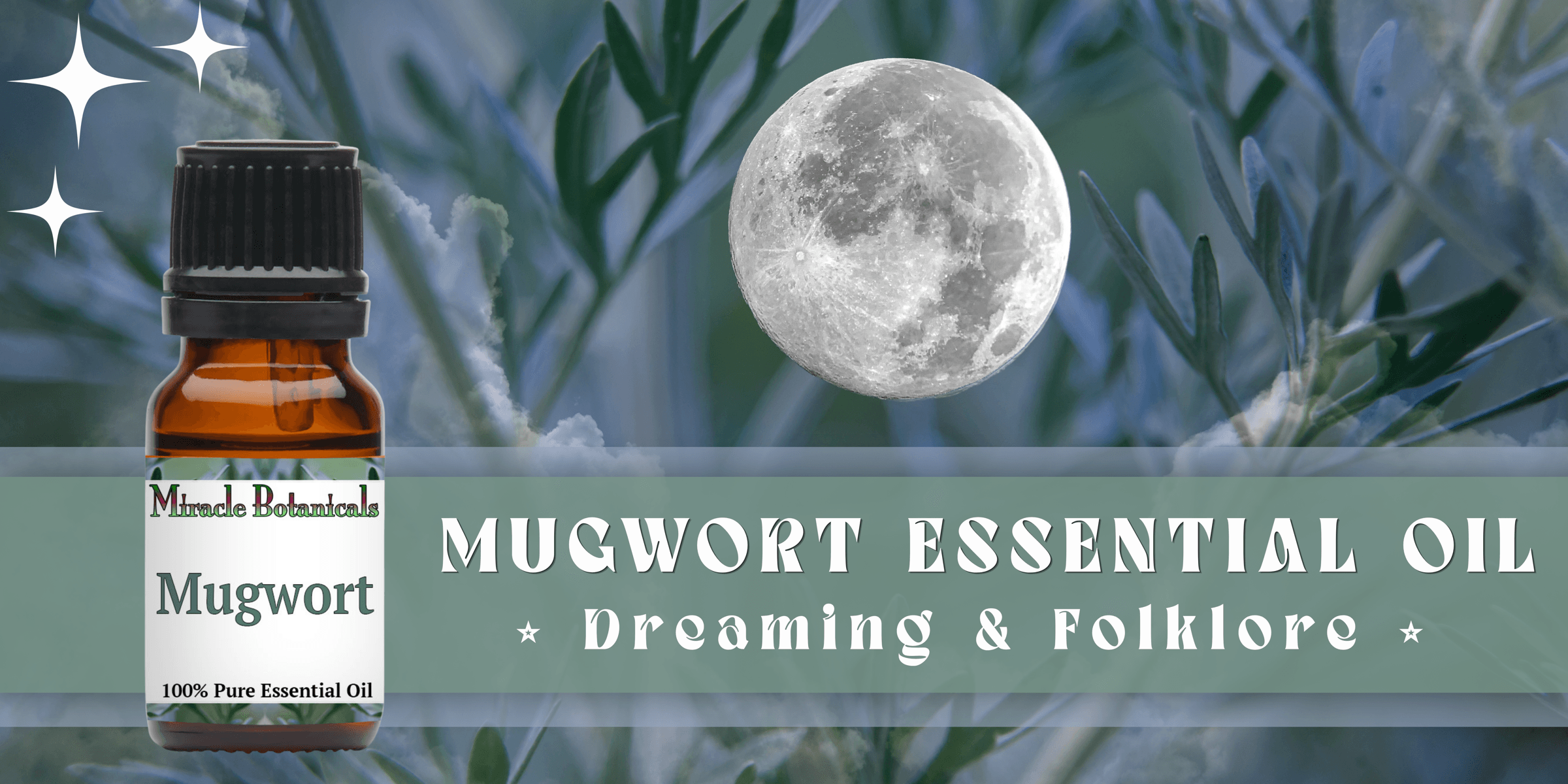
For a gentle contemporary ritual, keep a notebook beside your bed, set an intention to remember your dreams, and record images or emotions when you wake. Over time, recurring places and symbols may become easier to notice. For another botanical perspective, explore our Mugwort Essential Oil for Dreams article, which discusses Mugwort folklore, lucid dreaming, and nighttime ritual.
Blue lotus invites a relationship with beauty that can be sensual, contemplative, and wonderfully strange. Ancient art preserves something of that invitation.
Blue Lotus and the Nervous System
Blue water lilies contain several alkaloids that can interact with the nervous system, influencing neurotransmitters involved in mood, motivation, reward, and perception. In fact, many researchers consider this plant to be a nervine, which refers to plants that are used to support and soothe the nervous system. Nervines ar used for helping the body and mind feel calmer, more balanced, and better able to handle stress.
Blue Lotus Chemistry
The alkaloids responsible for Blue Lotus' therapeutic properties are apomorphine (psychotropic, dopamine agonist) and nuciferine (anti-spasmodic). Studies show that these substances can create euphoria, feelings of joyfulness, and reduce anxiety (among other things).
Studies of nuciferine show that it can partly activate some dopamine receptors and block certain serotonin receptors—systems involved in mood and perception. Apomorphine activates dopamine receptors. These findings help explain the interest in blue lotus chemistry.
The flower also contains a wider collection of plant compounds:
- Flavonoids, including compounds related to quercetin, myricetin, kaempferol, and naringenin.
- Phenolic compounds, such as gallic acid and p-coumaric acid, which researchers have investigated for antioxidant activity.
- Plant sterols, including beta-sitosterol.
- Anthocyanins, the pigments behind the flower’s beautiful blue coloring, including unusual forms derived from delphinidin.
How we extract the flower matters, too. Different compounds dissolve more readily in different liquids. Nuciferine in its uncharged form dissolves poorly in plain water, which makes alcohol useful for extracting it. Researchers have proposed that Egyptians steeped blue lotus in wine to draw out active constituents.
Water brings another part of the flower into the preparation. It can draw out water-soluble constituents, including some phenolic compounds and flavonoids with attached sugar molecules, known as glycosides. This part of the process is also best for extracting the natural gel from around the seeds, which contains its own potent properties.
Our double extraction uses both water and alcohol, and the addition of the special gel that exists naturally inside the center of the flowers. The result is a broad spectrum extract with a deeper and more intimate chemical profile of the whole flower.
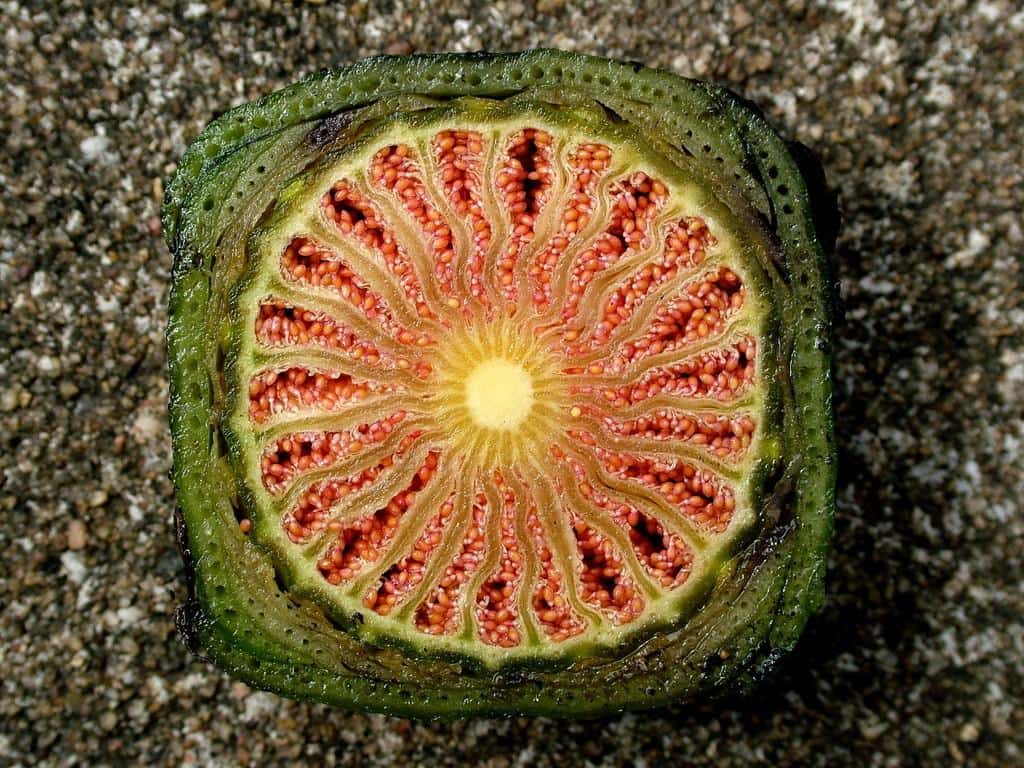
Our Double-Extracted Tincture and the Gel at the Flower’s Center
Water and alcohol can extract different groups of botanical constituents. Our double extraction reflects our intention to work with a broad range of the flower’s character, including the central gel. Our broad spectrum blue lotus tincture is double extracted on the Island of Hawaiʻi with organic Nymphaea caerulea flowers from Thailand, organic silver rum from Maui, and distilled water.
The gel from the center of the flowers is deliberately included in this preparation. In years of working with blue lotus, we have not encountered another maker discussing this gel or describing a double-extracted blue lotus tincture that includes it. The alchemist has reported that before adding the gel, the tincture had a different effect and was far less potent.
Our tincture contains alcohol. Research on oral blue lotus preparations and their interactions remains limited; follow the product’s directions and seek individual guidance when needed.
FAQs
What is the difference between Blue Lotus and Blue Water Lily?
Blue Lotus is what people call certain varieties of blue water lilies, Nymphaea Caerulea, Nymphaea Nouchali, or Nymphaea var. Caerulea. They primarily grow in Egypt and Asia, but can be found all over. The true "lotus" flower, Nelumbo Nucifera, is a pink lotus flower that was introduced to Egypt from Persia, and is not related to the Blue Lotus in the same way.
What are the benefits of Blue Lotus?
Blue Lotus is considered to be an adaptogen, nervine, and aphrodisiac. It balances many systems and processes within the body, facilitates pleasure and increased intuition, and some say that it helps with anxiety and depression (though that has not been proven). Many people use it for prayer, meditation, ritual, lucid dreaming, expanded states of consciousness, better dream recall and continuity, and for activating the Third Eye chakra.
What is a double-extracted tincture?
A double extracted tincture is made by extracting the botanicals with alcohol, and then extracting the same botanicals again with water. This is because different plant alkaloids like to stick to different substances (or menstruums). By extracting with both alcohol and water, we are able to create a broad spectrum tincture that contains more of the beneficial chemical components from the flowers than other tinctures.