


Table of Contents
When mental cobwebs need clearing and breath needs opening
There's a particular quality of morning light—the kind that breaks through coastal fog not gradually but decisively, burning it away in moments rather than hours. That's Rosemary Cineole. Not the gentle dawn that eases you awake, but the bright beam that says: it's time. Wake up. Focus. Breathe.
If you've ever crushed fresh rosemary between your fingers and felt instantly more alert, more present, more capable—that sharp, clarifying experience is the signature of the cineole chemotype. This is rosemary at its most medicinal, most stimulating, most uncompromising. And for many applications, that's exactly what we need.
Understanding Rosemary Chemotypes
Before we dive into Cineole specifically, let's understand what we mean by chemotypes.
Rosmarinus officinalis (now reclassified as Salvia rosmarinus, though many still use the old name) is a single plant species that produces essential oils with dramatically different chemical profiles depending on where and how it grows. Altitude, soil composition, climate, and harvesting time all influence which constituents dominate the final oil.
Think of it like terroir in wine—the same grape variety grown in different regions produces wines with distinct personalities. Rosemary chemotypes are nature's way of showing us that place matters, that growing conditions shape medicine.
The three main rosemary chemotypes are:
- Rosemary Cineole (CT Cineole) - High in 1,8-cineole (eucalyptol)
- Rosemary Camphor (CT Camphor) - High in camphor
- Rosemary Verbenone (CT Verbenone) - High in verbenone
Each serves different therapeutic purposes. Today, we're focusing on Cineole—the head-clearer, the breath-opener, the focus-bringer.
The Chemistry of Clarity: What Makes Cineole Special
Rosemary Cineole typically contains 40-55% 1,8-cineole (also called eucalyptol), the same constituent that gives eucalyptus oil its characteristic respiratory-opening properties. This high cineole content is what makes this chemotype particularly effective for:
Respiratory support: 1,8-cineole is well-studied for its ability to reduce mucus production, open airways, and support healthy respiratory function. It's expectorant (helps expel mucus), mucolytic (breaks down mucus), and antimicrobial against common respiratory pathogens.
Cognitive enhancement: Cineole has been shown in studies to improve cognitive performance, memory retention, and mental clarity. A 2012 study published in Therapeutic Advances in Psychopharmacology found that 1,8-cineole plasma levels correlated with improved cognitive performance in healthy adults.
Anti-inflammatory action: The cineole molecule demonstrates significant anti-inflammatory properties, particularly in the respiratory tract and musculoskeletal system.
Beyond cineole, this chemotype typically contains:
- α-pinene (15-25%): Contributes to respiratory benefits, mental alertness, and the fresh, pine-like top note
- Camphor (5-15%): Adds stimulating and analgesic properties
- Limonene (2-5%): Uplifting, supports lymphatic drainage
- Borneol (1-3%): Calming to the nervous system despite the oil's overall stimulating nature
This chemical symphony creates an oil that's simultaneously clarifying and grounding—it sharpens your mind while keeping you anchored in your body.
Therapeutic Applications: When to Reach for Cineole
Mental Clarity and Focus
This is where Rosemary Cineole truly shines. When you need sustained mental alertness without the jittery quality of caffeine, this is your oil.
The mechanism: Cineole appears to inhibit acetylcholinesterase, the enzyme that breaks down acetylcholine—a neurotransmitter crucial for memory and learning. By slowing this breakdown, more acetylcholine remains available for cognitive function.
Practical use: Diffuse while studying, working on complex projects, or anytime you need sharp focus. Unlike stimulants that can create scattered energy, Rosemary Cineole promotes concentrated, directed attention.
Respiratory Health
For congestion, sinusitis, bronchitis, or seasonal respiratory challenges, Rosemary Cineole is a powerhouse.
The mechanism: The high cineole content makes this oil strongly expectorant and mucolytic. It helps thin and expel mucus while simultaneously reducing inflammation in respiratory passages. Its antimicrobial properties provide additional support against respiratory infections.
Practical use: Steam inhalation (2-3 drops in a bowl of hot water, eyes closed, towel over head), chest rub when diluted in carrier oil, or diffusion during illness.
Hair and Scalp Health
Rosemary's reputation for supporting hair growth and scalp health is well-deserved, and Cineole is particularly effective for this application.
The mechanism: Rosemary oil improves scalp circulation, which supports nutrient delivery to hair follicles. It also demonstrates antimicrobial activity against common scalp issues like dandruff-causing fungi and bacteria. Some research suggests it may have effects comparable to minoxidil for androgenic alopecia.
Practical use: Add 5-8 drops to unscented shampoo, create a pre-wash scalp treatment with carrier oil, or make a hair rinse by adding a few drops to water with apple cider vinegar.
Muscle Tension and Pain
While Rosemary Camphor is more famous for muscular applications, Cineole still offers valuable analgesic and anti-inflammatory benefits.
Practical use: Dilute 2-3% in carrier oil and massage into sore muscles, particularly useful for tension headaches when applied to temples and back of neck.
Rosemary Cineole vs. Rosemary Verbenone: A Comparison
| Aspect | Rosemary Cineole | Rosemary Verbenone |
|---|---|---|
| Primary constituent | 1,8-cineole (40-55%) | Verbenone (15-25%) |
| Energy | Stimulating, clarifying, wakeful | Gentle, restorative, balancing |
| Best for | Mental clarity, respiratory support, alertness | Skin regeneration, hormonal balance, gentle healing |
| Scent profile | Sharp, medicinal, herbaceous, bright | Softer, sweeter, more subtle |
| Respiratory use | Strong expectorant, opens airways powerfully | Gentler respiratory support |
| Skin application | Stimulating to circulation, hair growth | Regenerative, cell renewal, scar healing |
| Mental/emotional | Focus, memory, mental sharpness | Emotional balance, gentle uplift |
| Best time of day | Morning through afternoon | Any time, especially evening |
| Who it's for | Those needing clarity, students, people with congestion | Those needing gentle restoration, mature skin, hormonal support |
How to Use Rosemary Cineole
For Mental Clarity:
- Diffuse 3-5 drops while working or studying
- Create a personal inhaler for on-the-go focus
- Add 1 drop to a tissue and inhale before exams or important meetings
For Respiratory Support:
- Steam inhalation: 2-3 drops in hot water, 5-10 minutes
- Chest rub: 2-3% dilution in carrier oil, apply to chest and upper back
- Diffuse throughout the day during illness
For Hair Health:
- Pre-wash treatment: 10 drops in 2 tablespoons carrier oil, massage into scalp, leave 20-30 minutes
- Add to shampoo: 5-8 drops per 8oz bottle
- Scalp tonic: Dilute in witch hazel or hydrosol, spray on scalp
For Muscle Tension:
- Massage oil: 2-3% in carrier, apply to affected areas
- Bath: 5-7 drops mixed with carrier oil or milk, add to warm bath
Blends beautifully with:
- Peppermint (for enhanced mental clarity and respiratory support)
- Eucalyptus (for respiratory synergy)
- Lemon (for uplifting focus)
- Lavender (to balance the stimulating quality)
- Black Spruce (for grounded energy)
Safety Considerations
Rosemary Cineole is generally safe when used appropriately, but note:
- Not for young children: Avoid for children under 6; use very cautiously with older children due to high cineole content
- Pregnancy: Generally avoided during pregnancy, especially first trimester
- Epilepsy: Use with caution; some sources suggest avoiding rosemary entirely with seizure disorders
- High blood pressure: Monitor use; rosemary can be stimulating
- Skin: Always dilute properly (typically 1-3% for topical use)
- Camphor content: While lower than Camphor chemotype, still present—use appropriately
When in doubt, consult a qualified aromatherapist or healthcare provider, especially if you have medical conditions or take medications.
The Medicine of Wakefulness
We live in a culture that often confuses alertness with stress, clarity with anxiety. Rosemary Cineole offers something different—the kind of wakefulness that doesn't fray your nervous system but sharpens it. The kind of focus that doesn't scatter but concentrates.
This is the oil for Monday mornings when the fog hasn't lifted. For deadline days when your brain needs to cooperate. For seasons when your lungs need support and your mind needs clearing.
She doesn't coddle. She doesn't whisper. Rosemary Cineole walks in like sunlight breaking through fog and says: Here. Now. Breathe. Think. Move forward.
And sometimes, that's exactly the medicine we need.
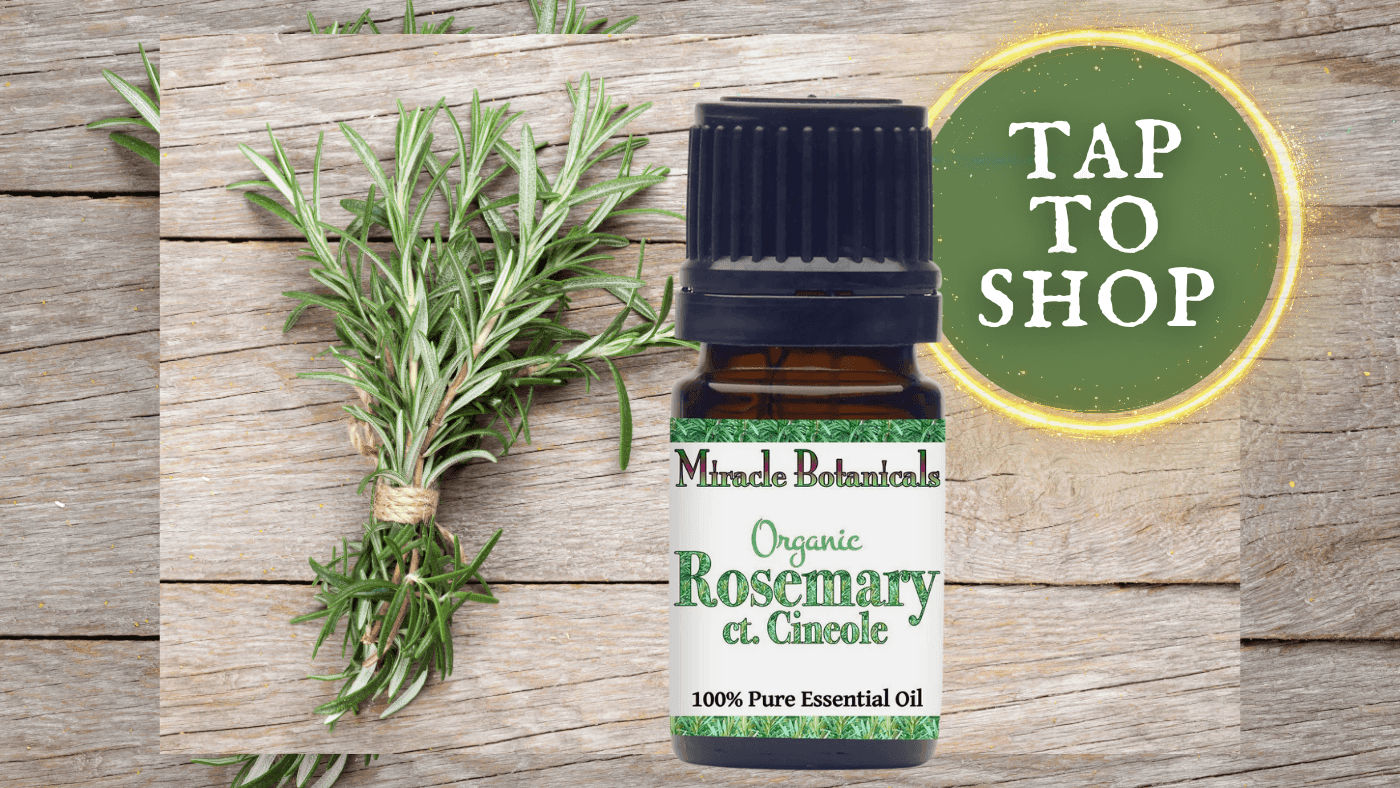
Ready to experience the clarity? Explore our Rosemary Cineole essential oil and discover why this chemotype deserves a place in every serious aromatherapy collection.
Rosemary Cineole Essential Oil - Organic (Rosmarinus Officinalis ct Cineole)
$11.97
Botanical Name: Rosmarinus Officinalis ct Cineole Plant Part: Herb Method of Extraction: Steam Distilled Country of Origin: Tunisia Aroma: Fresh, Herbaceous, Sweet Perfumery Note: Middle Main Chemical Components: 1,8-Cineole (44.98%) , alpha-Pinene (11.33%) , Camphor (11.06) … read more

FAQs
Can I use Rosemary Cineole at night, or will it keep me awake?
Rosemary Cineole is stimulating—think morning coffee, not bedtime tea. Her high cineole content (40-55%) is energizing and clarifying, which is perfect for daytime but not ideal before bed. The exception? If you're congested and can't breathe, a small amount can help open airways for better sleep. Just stop diffusing 30-60 minutes before bed. For evening use, reach for Rosemary Verbenone instead—she offers similar benefits without the wake-up call.
I have both Rosemary Cineole and Eucalyptus—are they basically the same thing for congestion?
They're both high in cineole and excellent for respiratory support, but they're not identical—they're complementary. Eucalyptus is gentler and cooling, focused primarily on soothing inflamed airways. Rosemary Cineole brings extra benefits: it stimulates circulation, has stronger pain-relief properties for tension headaches, and clears mental fog. The best move? Blend them 50/50 for synergistic power—eucalyptus soothes while rosemary stimulates and clarifies.