Table of Contents
Pinus pinaster in Traditional Medicine and Modern Herbal Practice
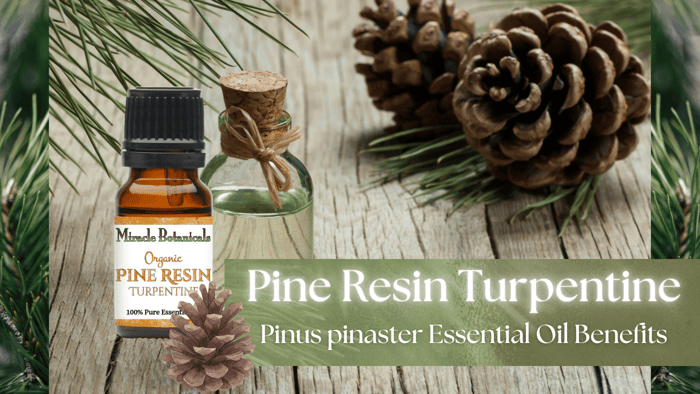
Turpentine essential oil—properly distilled from the resin of Pinus pinaster—is one of the oldest resin medicines in Western herbal tradition.
Long before it became associated with industrial solvents, Maritime Pine resin was valued in apothecaries for wounds, respiratory congestion, aching joints, and purification remedies. Today, modern phytochemistry helps explain why: this resin oil is exceptionally rich in alpha-pinene, a monoterpene studied for its anti-inflammatory, bronchodilating, antimicrobial, and circulatory effects.
Far removed from hardware-store turpentine, therapeutic-grade Pinus pinaster essential oil is a refined medicinal botanical with both historical depth and modern relevance.
✧ What Is Pinus pinaster Turpentine Essential Oil?
Pinus pinaster, also called Maritime Pine or Cluster Pine, produces aromatic resin as part of the tree’s natural defense system.
When the bark is tapped, resin flows to seal wounds and protect against microbial invasion. That oleoresin is then steam distilled into essential oil.
Historically, pine resin preparations have been used for centuries in Mediterranean and European herbal traditions, particularly in regions where Pinus pinaster is native, including Portugal, Spain, southern France, and the western Mediterranean basin.
Ancient Greek physicians, including Dioscorides, documented pine resins in early materia medica as remedies for respiratory congestion, wound care, and inflammatory complaints. Later European apothecaries continued this practice, valuing pine resin for its warming, cleansing, and stimulating properties.
Traditional pine resin preparations were commonly used to:
• Clean wounds
• Open congested lungs
• Warm stiff joints
• Purify air and living spaces
In classical European herbal medicine, pine resin was regarded as both protective and activating—a botanical that helped disperse stagnation, stimulate circulation, and restore movement where coldness or dampness had accumulated.
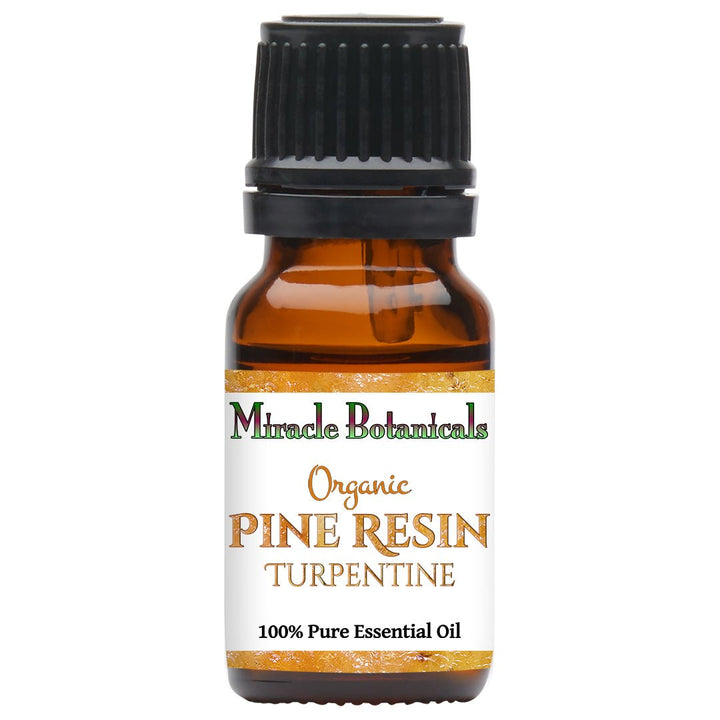
Pine Resin Turpentine Essential Oil - Organic (Pinus Pinaster)
$10.97
Botanical Name: Pinus Pinaster Alternative Names: Turpentine, Maritime Pine or Cluster Pine Plant Part: Resin Method of Extraction: Steam Distilled Country of Origin: Portugal Color/Consistency: Clear with Thin Consistency Aroma: Fresh, Woody, Earthy Perfumery Note: Top Main Chemical Components: alpha-Pinene (70.47%),… read more
✧ The Chemistry Behind Its Medicinal Power
The primary active constituent in Pinus pinaster essential oil is:
✧ Alpha-Pinene
Often comprising the majority of the oil, alpha-pinene is responsible for many of its therapeutic actions.
This terpene is known for:
• Bronchodilating effects that help open airways
• Anti-inflammatory modulation in irritated tissues
• Antimicrobial activity against certain pathogens
• Circulatory stimulation in cold, stagnant conditions
Its sharp, resinous aroma is not merely fragrant—it reflects a highly active medicinal chemistry.
✧ Respiratory Benefits: Traditional and Modern
One of the oldest uses of pine resin oil is respiratory support.
Traditional herbalists used pine vapors during:
• Winter chest congestion
• Damp bronchial stagnation
• Thick mucus accumulation
• Sinus heaviness
Modern understanding supports this practice: alpha-pinene acts as an expectorant and mild bronchodilator, helping loosen phlegm while promoting easier airflow.
This makes Pinus pinaster especially useful in diffuser blends and steam inhalation during seasonal respiratory illness.
✧ Anti-Inflammatory and Pain Relief Actions
Pine resin oils have long been applied to painful joints and inflamed muscles.
Historically, warmed pine liniments were massaged into:
• Arthritic joints
• Rheumatic limbs
• Cold muscular tension
• Strained connective tissue
Modern research suggests alpha-pinene may reduce inflammatory signaling pathways that contribute to swelling and pain.
In this way, ancient folk medicine and modern science converge.
✧ Antimicrobial and Purifying Properties
Resin is how a pine tree protects itself.
Its volatile compounds defend against invading fungi, bacteria, and environmental stressors.
That same antimicrobial intelligence gives Pinus pinaster value in:
• Natural cleansing sprays
• Purifying room blends
• Air-clearing diffusions
• Traditional wound-support applications
The tree’s immune defense becomes herbal medicine.
✧ Internal Use
Because Pinus pinaster has such a long history in herbal medicine, questions about internal use still arise today.
While pine resins appear in older pharmacopeias in various traditional preparations, modern steam-distilled essential oils are far more concentrated than the crude resins, infusions, and resin extracts used historically.
Pinus pinaster essential oil is highly potent and rich in active terpenes, especially alpha-pinene, which is why any internal use must be approached conservatively.
If used internally in modern aromatherapy practice, it should always be:
✔ extremely dilute
✔ used infrequently
✔ measured in minimal quantities only
A cautious traditional dilution guideline is:
1 drop in at least 8–12 ounces of liquid, honey, or carrier oil
Never ingest undiluted essential oil directly.
From a clinical herbalist perspective, internal use belongs to a specialized category of practice and should be undertaken only with proper knowledge, respect for potency, and careful dilution.
✧ Context and Interpretation
It’s important to note that these historical uses refer to crude resins and traditional preparations, not modern, highly concentrated essential oils.
Steam-distilled essential oils like Pinus pinaster are far more potent than the preparations used historically.
For this reason, traditional references should be understood as historical context rather than direct modern recommendations.
✧ Turpentine Essential Oil vs Industrial Turpentine
This distinction is essential.
Industrial Turpentine:
solvent-grade
chemically processed
not suitable for therapeutic use
Therapeutic Pinus pinaster Essential Oil:
steam distilled from resin
medicinal aromatic extract
crafted for aromatherapy and herbal applications
These are entirely different products and should never be confused.
✧ How To Use Pinus pinaster EO
✧ Diffuser for Respiratory Support
8 drops Pinus pinaster
4 drops Myrtle
2 drops Eucalyptus
Diffuse during cold, damp respiratory congestion.
✧ Chest Steam Inhalation
Add:
1 bowl hot water
2 drops Pinus pinaster oil
Inhale deeply for sinus and bronchial clearing.
✧ Massage Oil for Aching Joints
Blend:
8 drops Pinus pinaster
1 oz carrier oil
Massage into stiff or cold areas.
✧ Purifying Home Spray
Combine:
15 drops Pinus pinaster
15 drops Lemon
2 cups distilled water
Shake before each use.
✧ Energetic and Traditional Associations
In energetic herbal systems, Maritime Pine is associated with:
✧ Root chakra
✧ Grounding after depletion
✧ Stability and resilience
Associated stones:
Black Tourmaline
Red Jasper
Pine is a medicine of rooted strength.
✧ Why Pinus pinaster Still Matters
Pinus pinaster remains important because it bridges two worlds:
Ancient apothecary wisdom and modern phytochemical science.
Where traditional herbalists observed:
“pine clears lungs, warms pain, and protects against decay,”
Modern science now identifies:
• alpha-pinene bronchodilation
• terpene anti-inflammatory effects
• antimicrobial resin compounds
Traditional knowledge recognized function.
Science reveals mechanism.
Together, they deepen our understanding of this remarkable resin medicine.
✧ Final Thoughts
Pinus pinaster is more than an old remedy.
It is a living botanical archive—
a resin medicine shaped by forests, tradition, and chemistry.
Its sharp aroma carries centuries of healing intelligence:
clearing lungs, warming tissues, stimulating circulation, and protecting against stagnation.
A tree’s defense becomes our remedy.