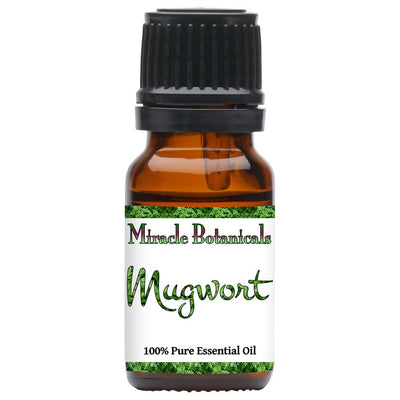

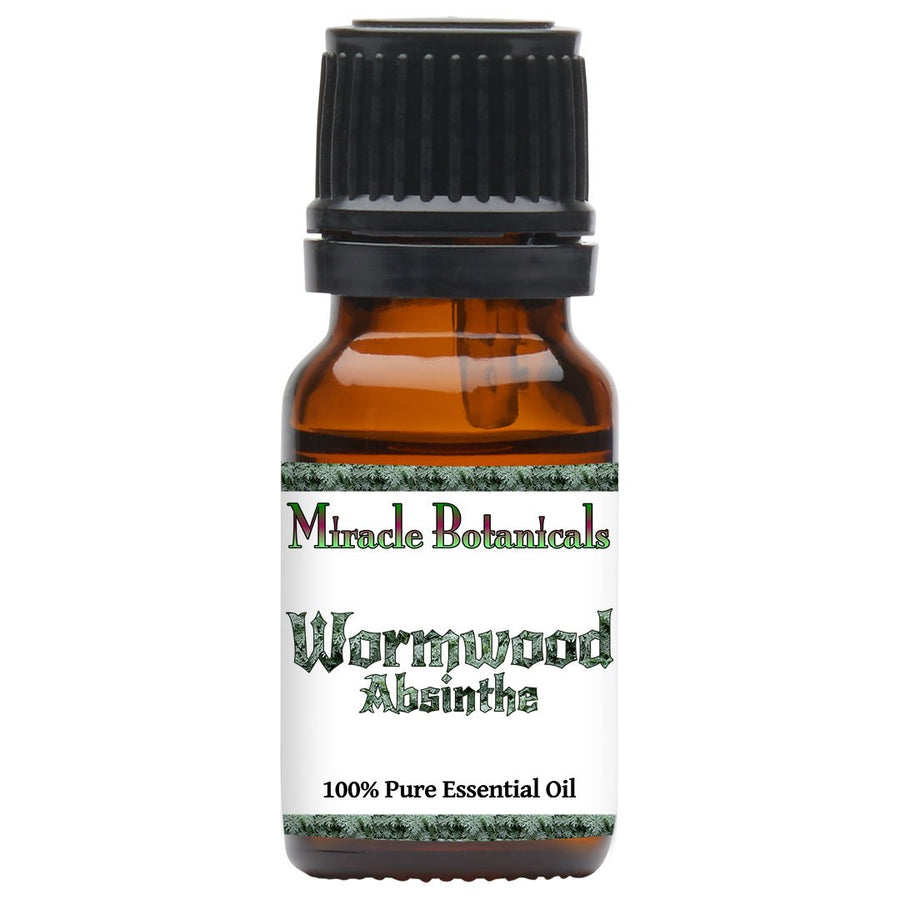
Wormwood Essential Oil - Absinthe - Wildcrafted (Artemisia absinthium)
- Wildcrafted Artemisia absinthium. Wormwood essential oil from the United States, steam distilled from wild-harvested flowering tops.
- 41.35% beta-Thujone on the page. Its two main constituents are named with their percentages, not left off the label. See the chemistry.
- The raw herbal character. A biting, herbal scent, the plant as it is, not a version tidied for the shelf.
- A hard-to-find connoisseur oil. Artemisia absinthium named in full for the collector and the perfumer, not an anonymous bottle that only borrows the name.
- Third-party tested, small artisan batches. Distilled in small quantities and sent to an outside lab, the way all our oils are made.
- Potent, for diffusing and blending only. An expert-use oil for diffusion in tiny amounts and for blending, not for the skin and not for internal use. How to use it safely.

Product specification
Batch transparency
View the full compositionWormwood, the flowering-tops oil of Artemisia absinthium
6 benefits of Wormwood Essential Oil
A genuine Artemisia absinthium
Wormwood essential oil this well documented is hard to find, with both main constituents named and the species stated in full. Anonymous marketplace bottles often sell wormwood with no species proof and no chemistry at all. This is the plant itself, the one collectors and perfumers seek out.
The perfumer's bitter green
To a perfumer, wormwood oil is a bracing green material, sharp and bitter up front, easing to a quieter, drier finish over the hours. It reads as competence in a formula, a quality few bottles carry honestly. A trace is all a blend needs.
The botanical behind absinthe
Wormwood is the plant that gives absinthe its name and its bitter edge, the Green Fairy of the cafes, and it stands behind vermouth and bitters too. That heritage is why the oil carries such a loaded, green scent. We offer it for that character and that history, never as a drink.
A traditional oil for clearing
Wormwood has a long association with energetic clearing and protection, a ritual use people still work with today. Those who use it that way say a little goes a long way, always in a blend and never neat. We pass that use along as tradition, not as a promise.
A household insect tradition
Around the home, wormwood has an old insect-repelling reputation, its clippings once tucked into hen nesting boxes to keep lice and mites off the birds. The oil carries the same bitter, volatile compounds behind that tradition. We offer it as a piece of the plant's history, and nothing more.
A little goes a long way
Potency is the whole point with wormwood essential oil, so a little is used at a time, always inside a larger blend, diffused or blended, never neat and never on its own. Its strength is why it earns careful handling. Handle it as a blending and diffuser material, nothing more.
How to use
In a diffuser blend
In the airUse only 1 to 2 drops of wormwood inside a larger diffuser blend, never by itself, and run the diffuser 30 to 60 minutes on and then off with fresh air moving. Do not sit and breathe it in directly for longer than 15 to 20 minutes. This is the one method we recommend for wormwood essential oil.
On the blending bench
BlendingOn the bench, wormwood oil sits as a trace in a larger blend, always heavily diluted and never used neat. We do not offer this oil for leave-on skin use, and it is not for internal use of any kind. Keep it to diffusing and bench work, where a small amount does the job.
Who should not use it
Before you use itWormwood essential oil is best avoided in pregnancy and breastfeeding, and kept well away from children. Anyone who has had seizures or epilepsy should not use it, and it is never for internal use. If you take medication or are under medical care, check with a qualified practitioner first.
Blends well with these 9 oils
2 recipes using this oil
Tap a recipe to see the full formula and method.
Method. Add the drops to a water diffuser and run it in short bursts, letting fresh air through between them. The vetiver and cardamom carry the blend while the single drop of wormwood adds a bitter, green edge underneath. Keep the wormwood to one drop, and let the other oils lead.
Method. Blend the drops on a scent blotter or in a small vial to work the accord, not on the skin. The cedarwood atlas and galbanum give a dry, resinous body, and the trace of wormwood cuts across them with its bitter green. Note how the wormwood fades as the woods hold, and adjust from there.
Technical information for this batch
At 41.35% this batch is dominated by beta-Thujone — the monoterpene ketone that gives wormwood its defining character. trans-Sabinyl acetate sits at 30.19%. The oil is dark green with medium consistency, and it reads as a top note in a blend.
Compare sizes and pick your value
Every size is the same oil. The larger the bottle, the lower the price per ml.
Frequently asked questions
7 answers drawn from the product specification and our own use of this oil.
Frequently bought together

You may also like