

Table of Contents
- What Is Lavender Essential Oil?
- What Is Lavandin Essential Oil?
- Lavender vs Lavandin: Key Chemical Differences
- How Lavandin Differs from Lavender
- How Lavandin Is Similar to Lavender
- Lavender vs Lavandin: Which Should You Choose?
- Quick Reference: Lavender vs Lavandin at a Glance
- The Bottom Line: Both Have Their Place
- FAQs
In the world of aromatic botanicals, few plants are more beloved—or more misunderstood—than lavender and lavandin. While they're closely related and share many therapeutic properties, these two essential oils are distinctly different in aroma, chemical composition, and ideal applications.
If you've ever wondered why some "lavender" products smell sweeter while others have a more medicinal quality, or why one lavender oil costs significantly more than another, you're likely encountering the lavender vs lavandin distinction. Understanding the difference will help you choose the right oil for your specific needs—whether that's soothing burns, promoting sleep, or clearing mental fog.

What Is Lavender Essential Oil?
True Lavender essential oil comes from Lavandula angustifolia (also called English Lavender or True Lavender), a species that grows at higher altitudes—typically between 2,000 and 6,000 feet. This mountain-dwelling plant produces smaller flower spikes and yields less essential oil, which is why true lavender commands a higher price.
Lavender essential oil is prized for its gentle, calming properties and is considered one of the safest and most versatile essential oils in aromatherapy. Its balanced chemical composition—rich in linalool and linalyl acetate—makes it ideal for relaxation, skin healing, and emotional support.
What Is Lavandin Essential Oil?
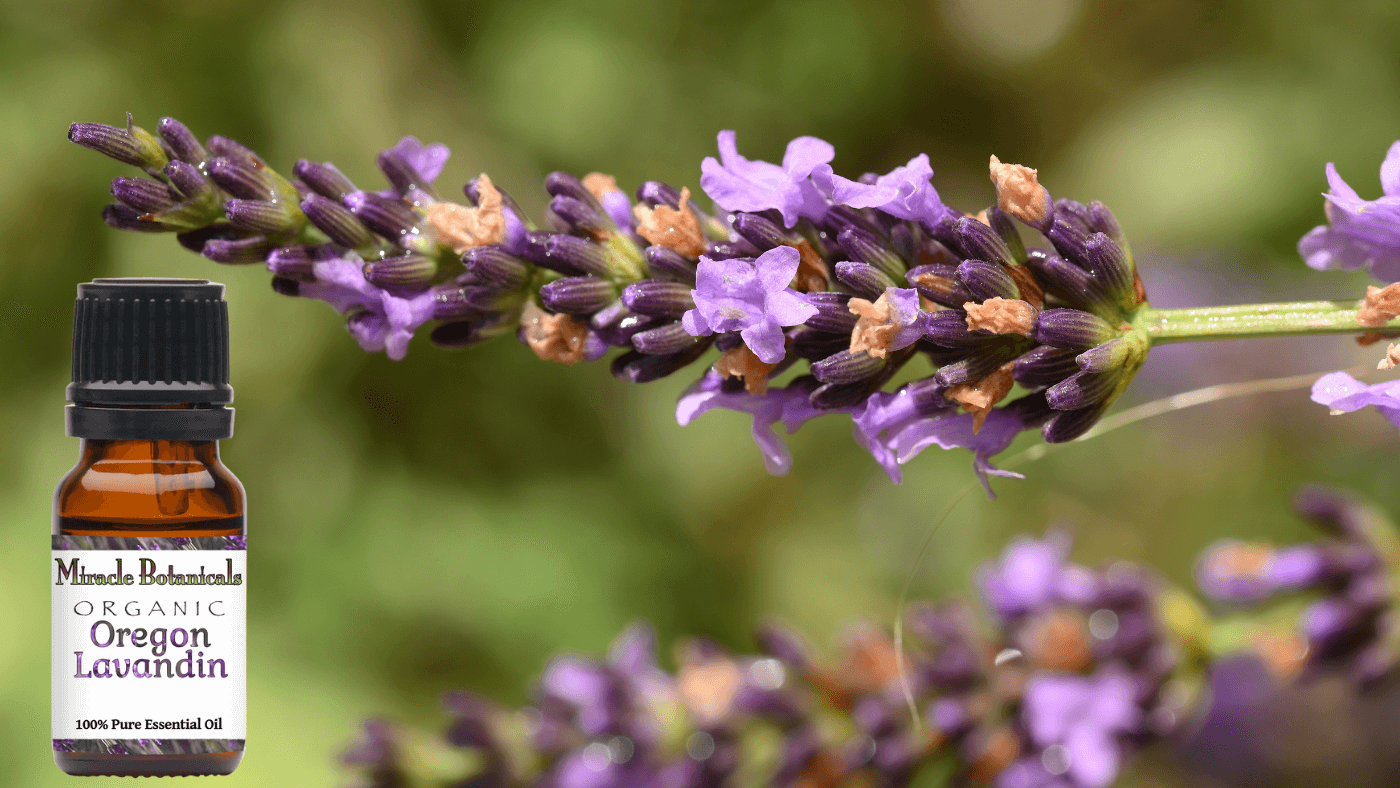
Lavandin essential oil comes from Lavandula x intermedia, a natural hybrid between True Lavender (Lavandula angustifolia) and Spike Lavender (Lavandula latifolia). This robust plant thrives at lower altitudes and produces larger flower spikes with significantly higher essential oil yields—making lavandin more affordable and abundant.
The most common varieties you'll encounter are Lavandin Grosso and Lavandin Super, both widely cultivated in France (which is why lavandin is sometimes called "French Perfume"). While lavandin shares many properties with its parent plants, its different chemical profile creates distinct therapeutic applications and a notably sweeter aroma.
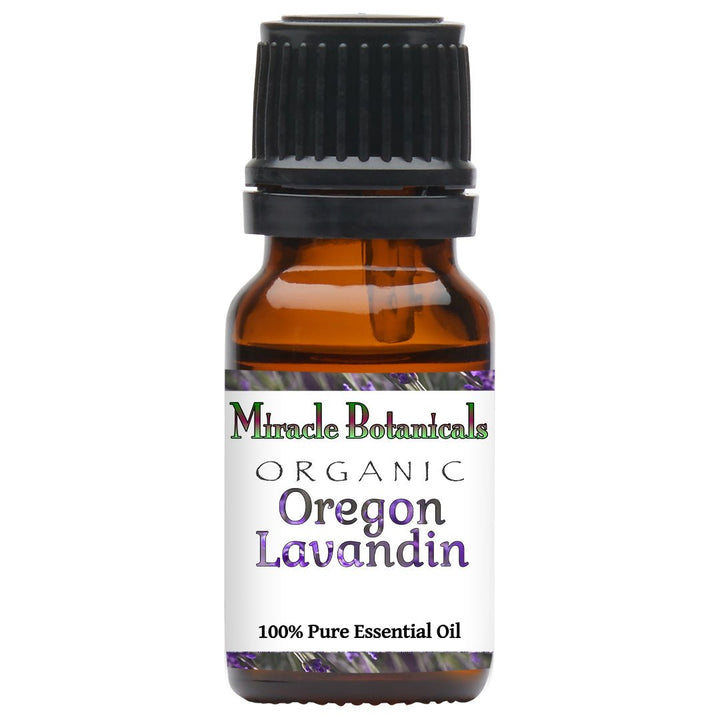
Lavandin (Oregon) Essential Oil - Organic - (Lavandula x Intermedia)
$11.97
Botanical Name: Lavandula x Hybrida Plant Part: Flowers Method of Extraction: Steam Distilled Country of Origin: Oregon, USA Color/Consistency: Clear with Thin Consistency Aroma: Sweet, Floral, and Fresh Perfumery Note: Middle … read more
Lavender vs Lavandin: Key Chemical Differences
The primary difference between lavender and lavandin lies in their chemical composition, which directly affects their therapeutic properties and aroma:
Chemical Component Lavender (Lavandula angustifolia) Lavandin (Lavandula x intermedia) Linalool Higher concentration Moderate concentration Linalyl Acetate Higher concentration Moderate concentration Camphor Trace amounts Higher concentration 1,8-Cineole Lower concentration Higher concentration
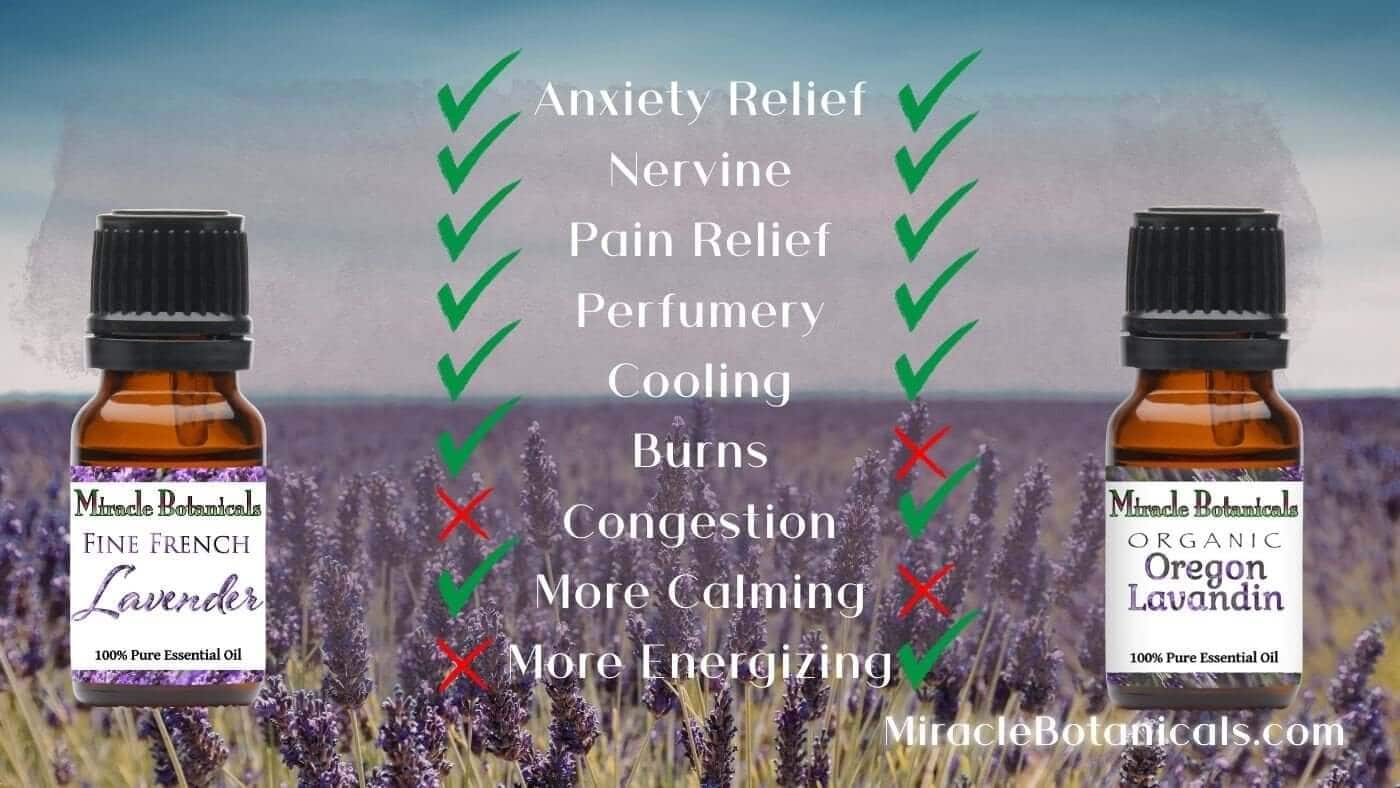
The higher concentrations of camphor and 1,8-cineole in lavandin give it more stimulating, decongestant properties, while the higher linalool and linalyl acetate in true lavender create gentler, more sedative effects.
How Lavandin Differs from Lavender
More Energizing, Less Sedative
Lavandin is less gentle and less sedative than true lavender, likely due to its higher concentration of 1,8-cineole and camphor. These compounds are thought to counteract some of the calming effects of linalool and linalyl acetate, making lavandin more energizing overall. However, lavandin is still a nervine (supports nervous system health) and can promote restful sleep by reducing anxiety—it simply takes a different pathway than lavender's direct sedative action.
Not Suitable for Burns
You may have heard that true lavender is the best essential oil for burns (we love using it alongside Helichrysum Italicum for burn care). However, lavandin is not recommended for burn treatment. The higher camphor and cineole content is thought to exacerbate irritation when applied to burned skin and can worsen burn symptoms. When treating burns, always reach for true Lavandula angustifolia, not lavandin.
Better for Congestion, Focus, and Mental Clarity
The higher concentration of camphor and 1,8-cineole makes lavandin the superior choice for decongestion. It's particularly effective for removing congestion from the sinuses, lungs, lymphatic system, and even mental fog. These same compounds help promote focus and concentration, making lavandin an excellent choice for study blends or workspace diffusion when you need mental clarity with a touch of calm.
Sweeter, Less Medicinal Aroma
Here's something that often surprises people: lavandin smells sweeter and less medicinal than true lavender. This is why lavandin is commonly called "French Perfume" and why it's often more appealing to consumers who find traditional lavender "too herbal" or "too medicinal."

From our experience sampling multiple lavender and lavandin varieties, we can confidently say that lavandin's aroma is distinctly sweeter and more immediately pleasing to most people. This is also why lavandin dominates the commercial fragrance industry—though it's usually simply labeled as "lavender" in products.
How Lavandin Is Similar to Lavender
Despite their differences, lavender and lavandin share many valuable properties:
Both Excel in Perfumery and Cosmetics
Both essential oils are widely used in perfumery and cosmetics, though lavandin is more common in commercial fragrances due to its lower price point and sweeter aroma. In most cases, when you encounter "lavender" in beauty products, soaps, or perfumes, you're actually experiencing lavandin. Both oils bring beautiful aromatic qualities to natural perfume blends and skincare formulations.
Anti-Inflammatory Properties
Both lavender and lavandin possess anti-inflammatory properties, making them excellent remedies for muscle aches, headaches, joint pain, and physical tension. You can use either oil (properly diluted) in massage blends, compress applications, or bath soaks for relief from inflammation and discomfort.
Nervine Support for Anxiety and Sleep
Both essential oils are powerful nervines, meaning they support and soothe the nervous system. Using either lavender or lavandin is wonderful for counteracting anxiety, helping the mind relax, and supporting restful sleep. Lavandin has been examined scientifically in pre-operative anxiety studies and sleep research, showing that while it's more energizing than lavender, its anxiety-reducing properties naturally result in more restful sleep.
Beauty and Skincare Applications
Lavandin has been used in beauty, skincare, and home products since shortly after it was introduced in the 1920s. True lavender has an even longer legacy—its history in beauty and skincare spans thousands of years across multiple cultures. Both oils bring antibacterial, balancing, and soothing properties to skincare formulations.
Cooling Members of the Mint Family
Both lavender and lavandin belong to the Lamiaceae family (the mint family), which means they share the cooling properties characteristic of this botanical group. All members of the Lamiaceae family are considered cooling in nature, making both lavender and lavandin particularly useful during summer months or whenever you need to cool down physically or energetically.
Lavender vs Lavandin: Which Should You Choose?
The answer depends on your specific needs and intended use:
Choose True Lavender When... Choose Lavandin When... Treating burns, cuts, or sensitive skin Addressing congestion or respiratory issues You need deep sedative effects for sleep You want mental clarity with gentle calm Working with children or sensitive individuals Creating affordable home cleaning products Creating therapeutic-grade skincare Blending perfumes with a sweeter profile You want the gentlest, most versatile option You need focus and concentration support Budget allows for premium therapeutic oil You want beautiful aroma at accessible price
Quick Reference: Lavender vs Lavandin at a Glance
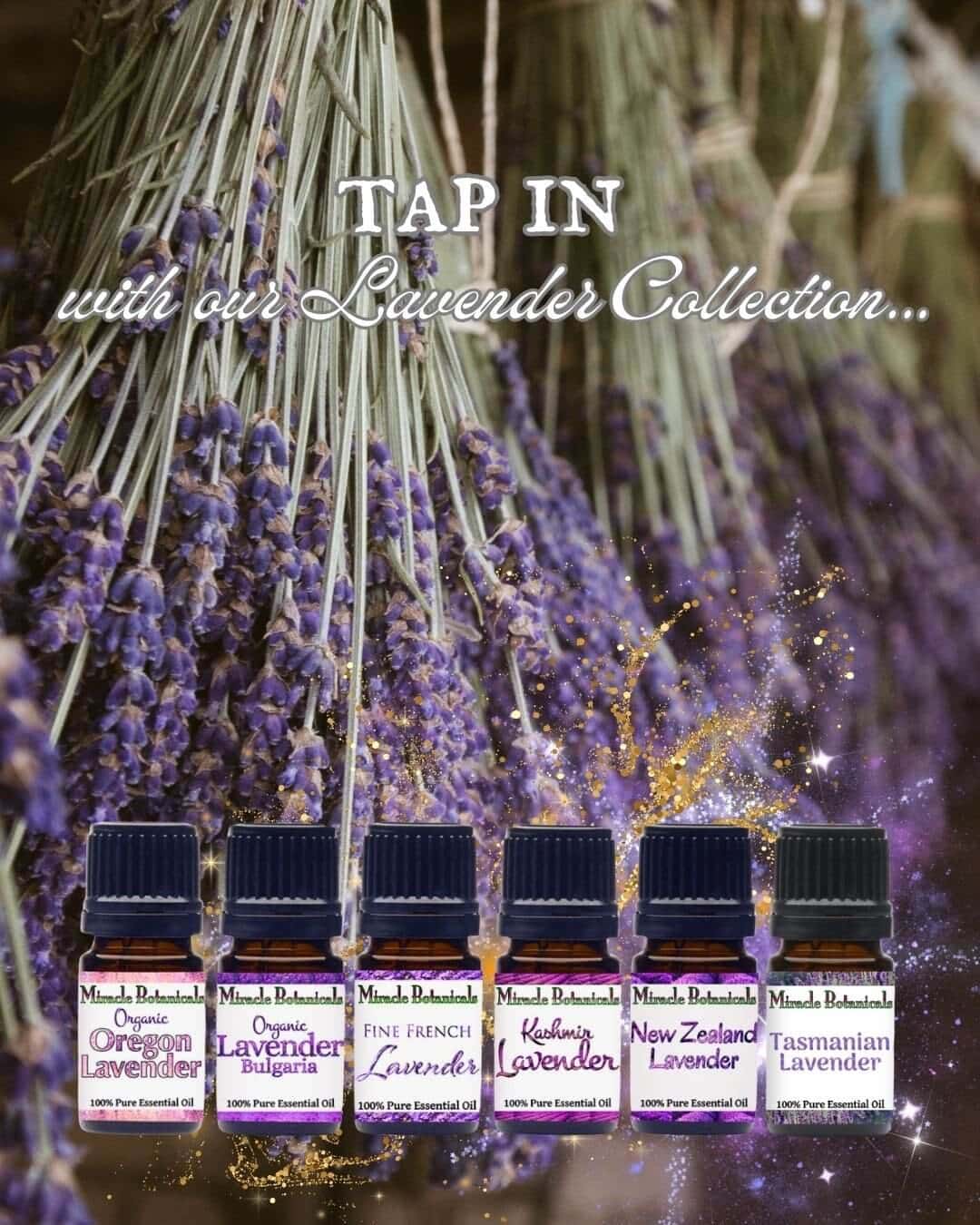
Feature Lavender (Lavandula angustifolia) Lavandin (Lavandula x intermedia) Aroma Herbaceous, medicinal, classic Sweeter, more perfume-like Effect Deeply calming, sedative Energizing yet calming Best For Burns, sensitive skin, sleep Congestion, focus, mental clarity Price Higher (lower yields) Lower (abundant yields) Camphor Content Very low/trace Higher Gentleness Most gentle Less gentle Altitude High mountain (2,000-6,000 ft) Lower altitude Common Varieties Bulgarian, French, New Zealand Grosso, Super
The Bottom Line: Both Have Their Place
Understanding the difference between lavender and lavandin empowers you to choose the right oil for your needs. True lavender (Lavandula angustifolia) remains the gold standard for therapeutic applications requiring gentleness, sedation, and skin healing. Lavandin (Lavandula x intermedia) offers its own valuable properties—particularly for respiratory support, mental clarity, and when you want that sweeter, more accessible lavender experience.
At Miracle Botanicals, we carry both lavender and lavandin essential oils because we believe in offering you choices based on accurate information. Both are beautiful, therapeutic oils—they simply shine in different ways.
Whether you're reaching for the gentle embrace of true lavender or the sweet, clarifying energy of lavandin, you're working with powerful botanical allies that have supported human wellness for centuries.
FAQs
Is Lavandin essential oil safe for burns?
No. Lavandin may irritated burned skin. We recommend choosing Lavender Essential Oil and/or Helichrysum Italicum Essential Oil when treating burns.