blending in to a room scent
This has been super useful for blending in to a room scent. Would reccomend!


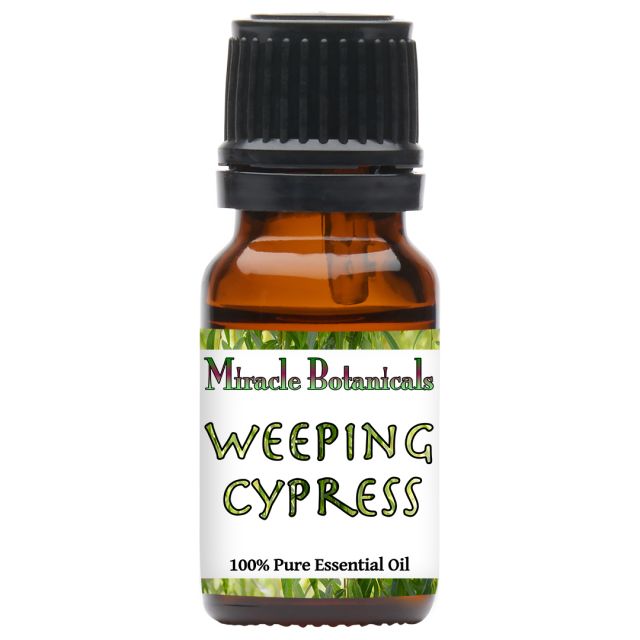

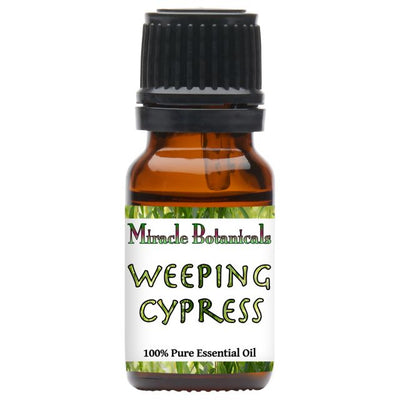
Weeping cypress oil diffuses into a dry, woody, masculine room scent, closer to a cedar workshop than a garden. A little carries a room without turning sweet or sharp. It suits a workspace as much as an evening at home.
This wood sits low in a blend and keeps the lighter oils in place, the way heavier woods do. Its sesquiterpenes are slow to lift, so a perfume built on it stays put for hours. A drop or two anchors a citrus or floral mix without covering it.
Weeping cypress gives a woody-oriental accord its dry backbone, sitting beneath cedarwoods, patchouli and vetiver. Perfumers work it into aftershaves and colognes where a soft wood is wanted. It reads clean, not sweet, so it leaves room for the brighter oils above it.
This oil adds a dry, woody note to beard oils, body oils and colognes, mixed into a carrier and never worn on its own. It stays close to the skin and reads as clean wood, not perfume. By the end of the day only the dry wood is left.
Weeping cypress is the wood oil, not the needle oil, and its three named compounds are the fastest way to tell it from a bottle that only borrows the name. A cypress label rarely says which wood went into the still. This is one we keep for people who want the wood itself.
This oil goes on the skin only after it is mixed into a carrier oil, where it wears as a quiet, dry wood. It sits close and does not carry across a room. Work it into an unscented body oil and keep it low.
Start with 3 to 5 drops of weeping cypress in a water diffuser for a medium room, then add a drop at a time until it smells right to you. It carries well, so a little goes a long way. Diffuse for 30 to 60 minutes, then give the room a rest with some fresh air moving.
Dilute weeping cypress to 1 to 2 percent before it touches skin, which is 6 to 12 drops in 30 ml of a carrier oil. Use the lower end on the face, and patch test a small spot on the inner forearm a day ahead. We do not use this oil neat, and it stays out of reach of children.
Add weeping cypress to an unscented carrier or a grooming base as a woody note, keeping it to the same 1 to 2 percent, 6 to 12 drops in 30 ml. Set it beneath the brighter oils so it holds them in place without covering them. Store the bottle closed and cool, since wood oils lose their edge as they age.
Tap a recipe to see the full formula and method.
Method. Add the drops to a water diffuser and run it for 30 to 60 minutes. The bergamot lifts the opening, the cedarwood deepens the wood, and the weeping cypress sits under both as the dry wood.
Method. Stir the drops into the jojoba in a small bottle and roll it between your palms before use. The juniper wood sharpens the opening while the weeping cypress holds the dry wood beneath it. Smooth a little onto the beard or the forearms.
Method. Mix the drops into the jojoba and pour it into a roll-on bottle. The sandalwood rounds the wood and the patchouli adds a dark depth beneath the weeping cypress. Roll it onto the wrists and the base of the neck.
At 27.18% this batch is dominated by cis-Thujopsene — a tricyclic sesquiterpene of conifer and cypress-family oils, sweet pencil-wood in perfumery. Widdrol sits at 13.44%, alpha-Cedrene sits at 13.17%. The oil is clear color with thin consistency, and it reads as a middle note in a blend.
Every size is the same oil. The larger the bottle, the lower the price per ml.
7 answers drawn from the product specification and our own use of this oil.
This has been super useful for blending in to a room scent. Would reccomend!