
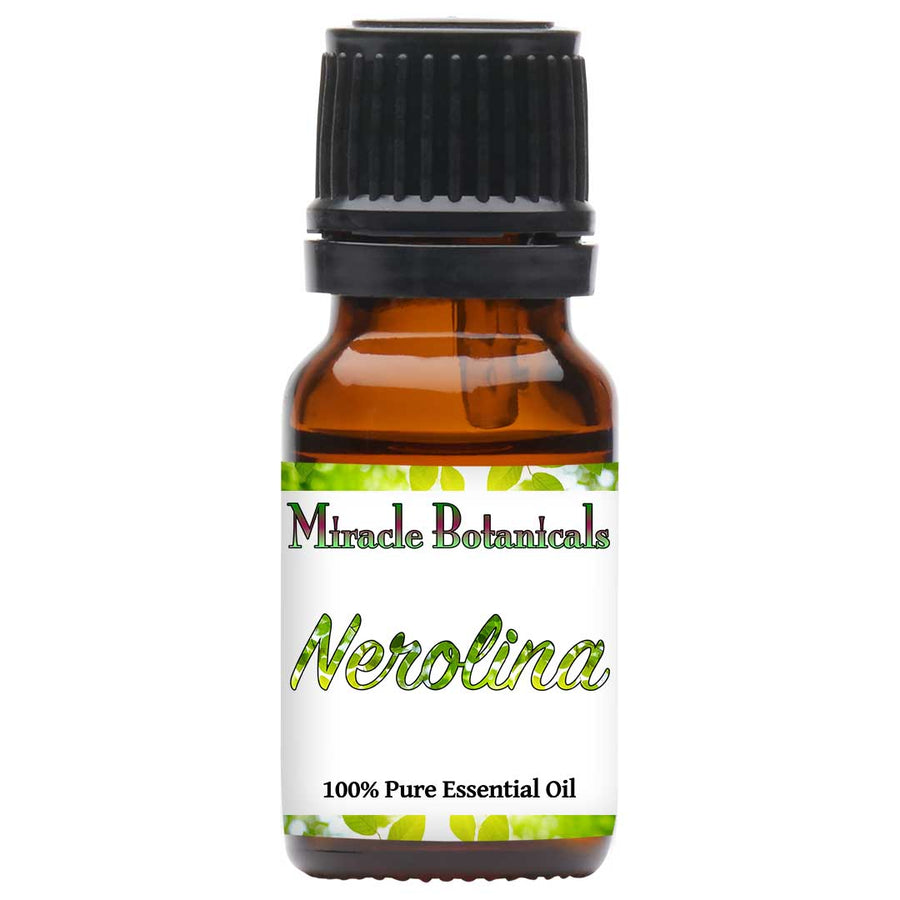
Nerolina Essential Oil - Wildcrafted (Melaleuca Quinquenervia)
- Nerolina, the nerolidol/linalool chemotype. Wildcrafted and steam distilled from the leaves of Melaleuca quinquenervia in Australia, and sold as nerolina.
- Linalool 49.3% and low in 1,8-cineole. That low cineole is what sets it apart from the camphorous niaouli, and the two numbers sit on the Chemistry tab. See the chemistry.
- Soft, sweet and gently floral. The sweetness reads close to neroli, with a light green edge and a woody note as it dries.
- An oil we use ourselves. Like everything we sell, we use this nerolina too.
- Third-party tested, made in small artisan batches. Tested by an outside lab against synthetics and adulteration, like every oil we carry.
- The same nerolina in every size. Start with a small bottle if nerolina is new to you, and compare the sizes on the Compare tab. Compare sizes.

Product specification
Batch transparency
View the full compositionNerolina, the soft floral chemotype of Melaleuca quinquenervia
6 benefits of Nerolina Essential Oil
A soft floral for the diffuser
Nerolina brings a soft, sweet, gently floral scent to a diffuser, the reason perfumers call this chemotype neroli-like. A few drops fill a room without the sharp, camphorous edge of ordinary niaouli. It opens fresh and green, then settles into a soft, sweet wood.
A gentle oil for a facial or body blend
Blended into a facial or body oil, nerolina adds a light, floral-green scent that sits softly on the skin. Its sweetness comes from linalool and nerolidol rather than anything sharp, so it stays gentle in a mix. Keep it in a carrier, and never use it neat.
A perfumer's bridge to neroli and rosewood
Nerolina gives a perfumer a neroli-like floral with a soft, woody drydown, a gentler and more affordable step toward neroli and rosewood. The linalool leans floral and lightly spicy, while the nerolidol adds a soft wood reminiscent of fresh bark. It lifts a floral accord and softens the sharper oils of the Myrtaceae.
A fresh, clean note for a workspace
A fresh, green scent from nerolina suits a workspace or a room where you want the air to feel clean rather than heavy. It's light and diffusive, so it fills a space without taking it over. It sits well beside citrus and the other fresh, leafy oils.
A rare chemotype for the collector
Nerolina is one of the more unusual chemotypes of Melaleuca quinquenervia, wildcrafted and low in the compound that defines standard niaouli. That standard niaouli is the sharp, camphorous oil, and this is the soft, floral one. It belongs on a shelf of hard-to-find oils for people who know the difference.
The paperbark behind the oil
The broad-leaved paperbark gave Aboriginal Australians a soft, papery bark for building shelters and lining earth ovens, long before anyone distilled its leaves for scent. The same tree yields the leaves that become nerolina, a plant long part of daily life rather than a lab creation.
How to use
Diffuser
In the airStart with 3 to 5 drops in a water diffuser for a medium room, then add a drop at a time until the scent is where you want it. Nerolina carries well, so a little goes a long way. Diffuse for 30 to 60 minutes, then give the room a break for the same time, with some fresh air moving.
On the skin
Diluted, patch-testedDilute nerolina to 1 to 2 percent before it touches skin, about 6 to 12 drops in 30 ml of a carrier oil. Keep the face lower, nearer 0.5 to 1 percent. Linalool, this oil's largest constituent, can oxidize as it meets air and ages, so we dilute it, patch test on the inner forearm and wait a day before wider use. We do not use nerolina neat, and it stays out of reach of children.
Storage
Keeping it freshKeep nerolina capped, cool and dark, away from light and heat, so the linalool stays fresh and slow to oxidize. A tightly closed bottle in a cupboard holds the scent far better than one left open on a sunny shelf. Kept that way, its soft, floral character lasts.
3 recipes using this oil
Tap a recipe to see the full formula and method.
Method. Add the drops to a water diffuser and run it in short sessions with fresh air between them. The green mandarin lifts the blend while the lavender rounds out the florals around the nerolina. Adjust the mix to suit the room.
Method. Combine the drops with the jojoba in a small bottle and roll it between your palms to mix. That works out to about 2 percent, a soft floral and green oil to wear on the skin through the day. Smooth a little over the arms or the neck.
Method. Shake the nerolina and bergamot into the solubilizer first, then add the water and shake again. Spritz over linen, curtains and into the air, keeping it off skin and polished surfaces. Shake before each use, since the oils and water separate.
Technical information for this batch
At 49.3% this batch is dominated by Linalool — a monoterpene alcohol found in lavender, coriander and rosewood, with a soft, floral, lightly spicy scent. Nerolidol sits at 43.1%. The oil is clear pale yellow with thin consistency, and it reads as a middle note in a blend.
Compare sizes and pick your value
Every size is the same oil. The larger the bottle, the lower the price per ml.
Frequently asked questions
7 answers drawn from the product specification and our own use of this oil.
Frequently bought together

You may also like