


Table of Contents
- Why Dogs Are Different: What You Need to Know
- Essential Oils to Absolutely Avoid Around Dogs
- NEVER USE - DOCUMENTED HIGH TOXICITY
- USE WITH CAUTION
- Citrus Oils: How to Use Safely
- Diffuser Safety: How to Diffuse Essential Oils and Dogs Can Coexist
- Topical Application on Dogs: Proceed With Caution
- Practical Applications: Using Essential Oils to Support Your Dog's Health
- Signs of Essential Oil Toxicity in Dogs
- Special Considerations
- Creating a Dog-Safe Essential Oil Practice
- The Bottom Line: Essential Oils and Dogs Can Coexist
- FAQs
If you're reading this, you probably love both your essential oils and dogs, and you're wondering how to make those two things coexist safely. Good news: you absolutely can diffuse oils, use them topically on yourself, and even use certain oils to support your dog's health—you just need to understand how dogs experience essential oils differently than humans do.
We hope that this article will help you make informed choices that protect your dog while still allowing you to enjoy the oils you love. Let's talk about what actually matters when it comes to essential oils and dogs.
Why Dogs Are Different: What You Need to Know
Before we get into the practical stuff, here's why essential oils and dogs require extra thought:
Their Sense of Smell is Exponentially Stronger
Dogs have between 200-300 million olfactory receptors compared to our measly 5-6 million. What smells pleasantly strong to you can be overwhelming—even painful—to your dog. Imagine if someone cranked up the volume on your favorite song to ear-splitting levels. That's sometimes what we're doing when we diffuse oils heavily around dogs.
They Metabolize Compounds Differently
Dogs lack certain liver enzymes that humans have, which means some compounds that are harmless to us can build up in their system and become toxic. This is why some human foods (chocolate, grapes, onions) are dangerous for dogs—and why certain essential oils are too.
Body Size Matters
A Chihuahua weighing 5 pounds will be affected very differently by essential oils than a Great Dane weighing 150 pounds. Dose matters enormously. What's a mild exposure for a large dog could be significant for a small one.
They Can't Tell You When Something's Wrong
Your dog can't say "Hey, that lavender is giving me a headache" or "I'm feeling nauseous from the peppermint." You have to watch their behavior and body language carefully.

Essential Oils to Absolutely Avoid Around Dogs
Let's start with the non-negotiables. These essential oils and dogs should not mix—avoid diffusing them in spaces your dog occupies and definitely don't apply them topically to your dog:
NEVER USE - DOCUMENTED HIGH TOXICITY
Most dangerous - documented poisoning cases
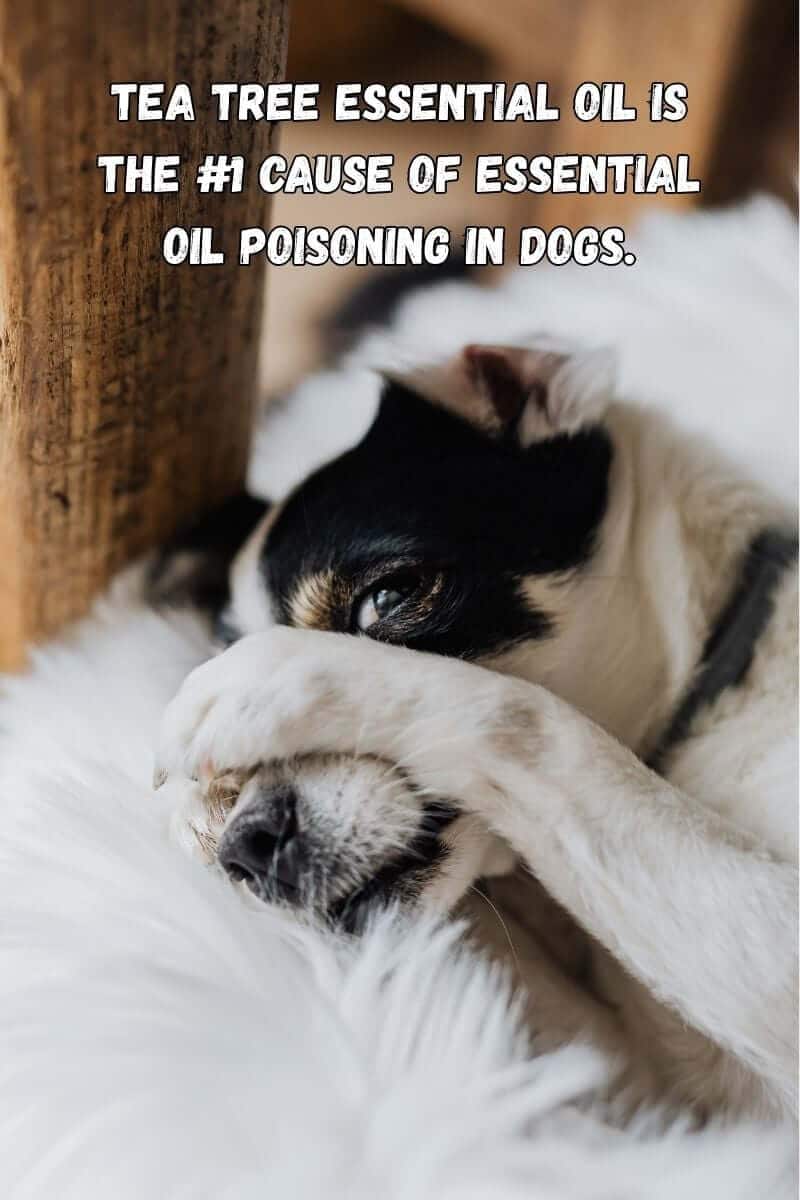
- Tea Tree (Melaleuca alternifolia) - #1 cause of essential oil poisoning in dogs
- Pennyroyal - potentially fatal, severe liver/neurological damage
- Wintergreen - methyl salicylate poisoning (aspirin toxicity)
- Birch - methyl salicylate poisoning
- Bitter Almond - cyanide compounds
Other Melaleuca species (same toxicity as tea tree):
High-phenol oils (caustic, hepatotoxic):
- Clove
- Cinnamon Bark (Cassia and Ceylon)
- Oregano
- Thyme (thymol chemotypes)
- Savory
Pine family (monoterpene toxicity):
- All Pine species (Pinus spp.) - Scotch Pine, Pine Resin Turpentine, Pinon Pine
- Fir (Abies spp.) - Silver Fir Needle, Fir Needle, Balsam Fir
- Spruce (Picea spp.)
High-ketone oils (neurotoxic):
- Wormwood - Wormwood, African Wormwood
- Sage (Salvia officinalis)
- Camphor
- Hyssop - Hyssop, Hyssop Decumbens
- Common Tansy (not Blue Tansy)
Other toxic oils:
- Ylang Ylang (CNS depression) - Ylang Ylang Extra, Ylang Ylang Complete
- Garlic
- Mustard/Horseradish
USE WITH CAUTION
Less toxic, but often irritating to dogs:
- Eucalyptus - 1,8-cineole is documented as toxic, causes drooling, vomiting, weakness
- Peppermint/Spearmint - menthol/menthone can cause GI upset, muscle tremors
- Citrus oils - limonene is documented toxic, causes vomiting, diarrhea, depression, potential dermatitis
- Geranium - can cause contact dermatitis and GI issues (Egyptian Geranium and Rose Geranium)
- Basil - methyl chavicol in some chemotypes is hepatotoxic
- Fennel - contains estragole, insufficient safety data
- Bay Leaf (Laurel Leaf) - eugenol content (phenolic), too irritating
- Rosemary - even "safe" chemotypes contain irritating monoterpenes
- Juniper Berry - insufficient safety data for topical use
Usage guidelines:
- Never apply directly to dog's skin or fur
- Use in well-ventilated areas
- Monitor dog for any adverse reactions
Citrus Oils: How to Use Safely
Here's some good news: citrus oils are among the LOWER-risk essential oils for use around dogs, particularly for diffusion.
Citrus Oils (use common sense, but generally safe for diffusion in smaller doses):
Why they're lower risk
When diffused lightly in well-ventilated spaces, citrus oils rarely cause problems. The issues arise when:
- Applied topically in high concentrations (can cause skin irritation)
- Ingested in quantity (can cause stomach upset, central nervous system depression)
- Used heavily on very small dogs
How to use citrus oils safely for dogs
- Diffuse 2-4 drops in well-ventilated space
- Keep diffusion sessions to 15-30 minutes
- Always provide your dog an exit from the room
- Don't apply concentrated citrus oils directly to your dog's skin
Diffuser Safety: How to Diffuse Essential Oils and Dogs Can Coexist
Diffusing is generally the safest way to use essential oils around dogs—much safer than topical application—but you need to follow some basic guidelines:
The Golden Rules of Diffusing Around Dogs
- Always Allow an Exit - Your dog must be able to leave the room if the scent bothers them. Never diffuse in a closed room where they're trapped. If your dog gets up and leaves when you start the diffuser, believe them—they're telling you it's too much.
- Use Passive Diffusion for Regular Use - For daily use around dogs, passive diffusion (reed diffusers, terracotta diffusers, or just a few drops on a cotton ball) is gentler than ultrasonic or nebulizing diffusers which disperse oils more aggressively.
- Start Low and Go Slow - Use 1-3 drops in your diffuser instead of the 5-10 you might use without a dog present. Watch your dog's response.
- Diffuse in Short Intervals - 15-30 minutes of diffusion, then turn it off. Don't run diffusers continuously for hours with dogs in the home.
- Ensure Good Ventilation - Open windows or run a fan so fresh air circulates. Stagnant, scent-saturated air is harder on dogs than gentle scent in well-ventilated space.
- Keep the Diffuser Out of Reach - Dogs can knock over diffusers or drink the water, which is much more dangerous than breathing diffused oils.
Watch for These Signs Your Dog is Bothered
- Leaving the room repeatedly
- Excessive sneezing or snorting
- Pawing at their nose or face
- Excessive drooling
- Watery eyes
- Lethargy or acting "off"
- Restlessness or agitation
If you see any of these, stop diffusing immediately and get fresh air circulating.

Generally Safer Oils for Diffusing Around Dogs
When properly diluted and diffused in well-ventilated spaces with an exit available:
- Lavender (true Lavender, Lavandula angustifolia) - Calming, generally well-tolerated in small amounts
- Frankincense - Gentle, grounding, most dogs tolerate it well
- Cedarwood (Atlas) - Calming, many dogs find it pleasant
- Chamomile (Roman) - Very gentle, calming
- Cardamom - Gentle, digestive support
These aren't "risk-free"—no essential oil is—but they're lower risk when used appropriately. The key is to use them in moderation and watch for cues from your pet. Some dogs don’t like ANY essential oils.
Topical Application on Dogs: Proceed With Caution
This is where things get tricky. Dogs groom themselves, which means anything you put on their skin will likely end up in their mouth and digestive system. They also have more sensitive skin than humans in many cases.
If You Choose to Apply Essential Oils Topically to Your Dog...
Dilution is Critical
- For dogs: 0.5-1% dilution MAXIMUM (that's about 3-6 drops of essential oil per ounce of carrier oil)
- For small dogs or puppies: 0.25% or less
- For humans, we often use 2-5% dilutions; this is too strong for most dogs
Application Guidelines
- Apply only to areas the dog cannot lick (between shoulder blades, back of neck)
- Use high-quality carrier oils: coconut oil (fractionated), sweet almond oil, jojoba
- Always do a small patch test first and wait 24 hours
- Never apply to face, genitals, or broken/irritated skin
- Less is more—you can always add more, but you can't take it back
Safer Oils for Topical Use on Dogs (Properly Diluted)
- Lavender - Calming, minor skin irritation
- Frankincense - Skin support, calming
- Helichrysum Italicum - Wound healing (extremely diluted)
- Cedarwood - Flea deterrent, calming
Practical Applications: Using Essential Oils to Support Your Dog's Health
Here's where we get practical. There are some legitimate ways to use essential oils and dogs can both benefit:
Natural Flea and Tick Deterrent
Dog-Safe Flea Spray:
- 4 oz spray bottle with distilled water
- 1 tablespoon witch hazel or vodka (helps disperse oils)
- 3 drops Cedarwood essential oil
- 2 drops Lavender essential oil
- 1 drop Lemongrass essential oil (use cautiously, watch for reactions)
Shake well before each use. Spray onto your hands first, then massage into your dog's coat, avoiding face and genitals. Reapply every few days. This is a deterrent, not a treatment for active infestations.
Important: This won't kill existing fleas—it may help repel them. For active infestations, work with your vet.
Cedarwood Atlas Essential Oil - Organic (Cedrus Atlantica)
$12.97
Botanical Name: Cedrus Atlantica Plant Part: Wood Method of Extraction: Steam Distilled Country of Origin: Morocco Color/Consistency: Pale Yellow Color with Thin Consistency Aroma: Woody, Dry, Warm, and Balsamic Perfumery Note: Base Main Chemical Components: B-Himachalene (43.92%), A-Himachalene (17.90%) … read more

Calming Blend for Anxious Dogs
Diffuser Blend for Storm/Firework Anxiety:
- 2 drops Lavender
- 1 drop Frankincense
- 1 drop Cedarwood
Diffuse in a well-ventilated room 30 minutes before the stressful event. Make sure your dog can leave the room. Many dogs respond well to lavender's calming properties.
Calming Bandana Spray:
- 2 oz spray bottle with distilled water
- 1/2 teaspoon witch hazel
- 2 drops Lavender essential oil
Lightly spray a bandana or the dog's bed (not directly on the dog). Let it dry slightly before putting on the dog.
Environmental Deodorizer (Dog-Safe)
Room Freshener When Dogs Are Present:
- 4 oz spray bottle
- Distilled water
- 1 tablespoon witch hazel
- 3 drops Lavender
- 2 drops Lemon (Sweet Orange is gentler)
Spray in air or on fabrics (not directly on dog). Freshens without overwhelming canine noses.
Signs of Essential Oil Toxicity in Dogs
Know what to watch for. Early recognition can make a huge difference:
Mild to Moderate Symptoms:
- Drooling or excessive salivation
- Vomiting or diarrhea
- Lethargy or depression
- Loss of appetite
- Difficulty walking or weakness
- Pawing at mouth or face
- Red, irritated skin or mucous membranes
- Coughing or difficulty breathing
Severe Symptoms (Emergency - Get to Vet Immediately):
- Tremors or muscle fasciculations
- Seizures
- Collapse or inability to stand
- Severe difficulty breathing
- Unconsciousness
- Severe drooling with facial swelling
What to Do if Your Dog Ingests Essential Oils or Shows Toxicity:
- Remove the source - Get the dog away from the oils, open windows
- Do NOT induce vomiting unless specifically instructed by a vet (essential oils can cause more damage coming back up)
- Call your vet or Pet Poison Helpline (855-764-7661) immediately
- If oil is on skin/fur, bathe with mild dish soap - This helps remove oils before they're absorbed or licked off
- Bring the oil bottle with you so the vet knows exactly what was involved
Time matters. Don't wait to see if symptoms improve—call for advice immediately.
Special Considerations
Puppies: Avoid essential oils entirely around puppies under 10 weeks. Their systems are immature and more vulnerable. Even after 10 weeks, use extreme caution with heavy dilution.
Pregnant or Nursing Dogs: Avoid essential oils. The hormonal changes and the vulnerability of developing puppies make this a time to skip aromatherapy.
Dogs with Health Conditions: Dogs with liver disease, kidney disease, epilepsy, or respiratory conditions (like asthma or collapsing trachea) are more vulnerable to essential oil toxicity. Consult your vet before using any oils around them.
Brachycephalic Breeds (Flat-Faced Dogs): Bulldogs, Pugs, Boston Terriers, Boxers, Shih Tzus, and other flat-faced breeds often have compromised respiratory systems. They're more sensitive to any airborne irritants including essential oils. Use extra caution or avoid diffusing altogether.
Small Dogs: A Chihuahua, Yorkie, or Maltese has much less body mass to dilute any exposure. What's safe for a Labrador might be too much for a tiny dog. Always adjust for size.
Creating a Dog-Safe Essential Oil Practice
Here's how to structure your essential oil practice when you share your home with dogs:
1. Designate a Dog-Free Zone for Intense Use
Have a room where you can close the door and really enjoy your oils—your bedroom, a home office, a bathroom. Diffuse more freely there, knowing your dog isn't breathing it in. Let the room air out before inviting your dog back in.
2. Use Passive Diffusion in Shared Spaces
In living areas where your dog hangs out, stick to passive methods: a few drops on a cotton ball tucked somewhere out of reach, a reed diffuser, a terracotta pendant. Skip the ultrasonic or nebulizing diffusers in these spaces.
3. Apply Oils to Yourself Strategically
If you use oils topically on yourself, apply them to areas your dog won't lick (not hands if you're going to pet your dog soon after). Let them dry/absorb before close contact.
4. Store Oils Securely
Keep all essential oils, carriers, and supplies completely out of your dog's reach. Dogs investigate with their mouths, and ingestion is the most dangerous form of exposure.
5. Observe and Adjust
Every dog is different. Some dogs don't mind lavender diffusing; others hate it. Some large dogs tolerate diluted topical application; some react badly. Pay attention to YOUR dog's responses and adjust accordingly.
6. When in Doubt, Leave it Out
If you're unsure whether an oil is safe, whether you've diluted enough, whether your dog seems bothered—skip it. Your dog's health is more important than any single aromatherapy session.
The Bottom Line: Essential Oils and Dogs Can Coexist
You don't have to choose between your essential oil practice and your dog's safety. You just have to be thoughtful about it.
The key principles:
- Dilute heavily (way more than for humans)
- Diffuse gently in well-ventilated spaces with an escape route
- Avoid the truly toxic oils (especially tea tree, pennyroyal, wintergreen, birch)
- Watch your dog's behavior and body language
- When using oils topically on dogs, go minimal and infrequent
- Store oils safely out of reach
- Know the signs of toxicity and act quickly if they appear
Dogs have been living with plants—including aromatic plants—for thousands of years. The issue isn't that essential oils and dogs are fundamentally incompatible; it's that concentrated essential oils are much more potent than the plants dogs would encounter in nature, and we're often using them in enclosed spaces without adequate ventilation.
Use common sense. Start conservatively. Observe carefully. Make adjustments based on your specific dog's responses.
Your dog depends on you to make safe choices for them. With proper understanding and caution, you can enjoy the benefits of essential oils while keeping your furry companion healthy and comfortable.
Resources:
- Pet Poison Helpline: (855) 764-7661 (charges a consultation fee but available 24/7)
- ASPCA Animal Poison Control: (888) 426-4435 (also charges a fee)
- Your regular veterinarian - always the best first call
Have a holistic vet who works with essential oils? They can provide personalized guidance for your specific dog.
Want to Learn More About Safe Essential Oil Use?
Check out our other safety guides:
At Miracle Botanicals, we believe education empowers better choices. Use oils wisely, observe carefully, and enjoy your practice safely alongside your four-legged family members.